
The Rolling Stones: English rock band and enduring cultural icons
Formed in London in 1962, The Rolling Stones drew on American blues to shape rock music, producing landmark hits, notable lineup changes, and a career spanning decades of recording and touring.
Overview
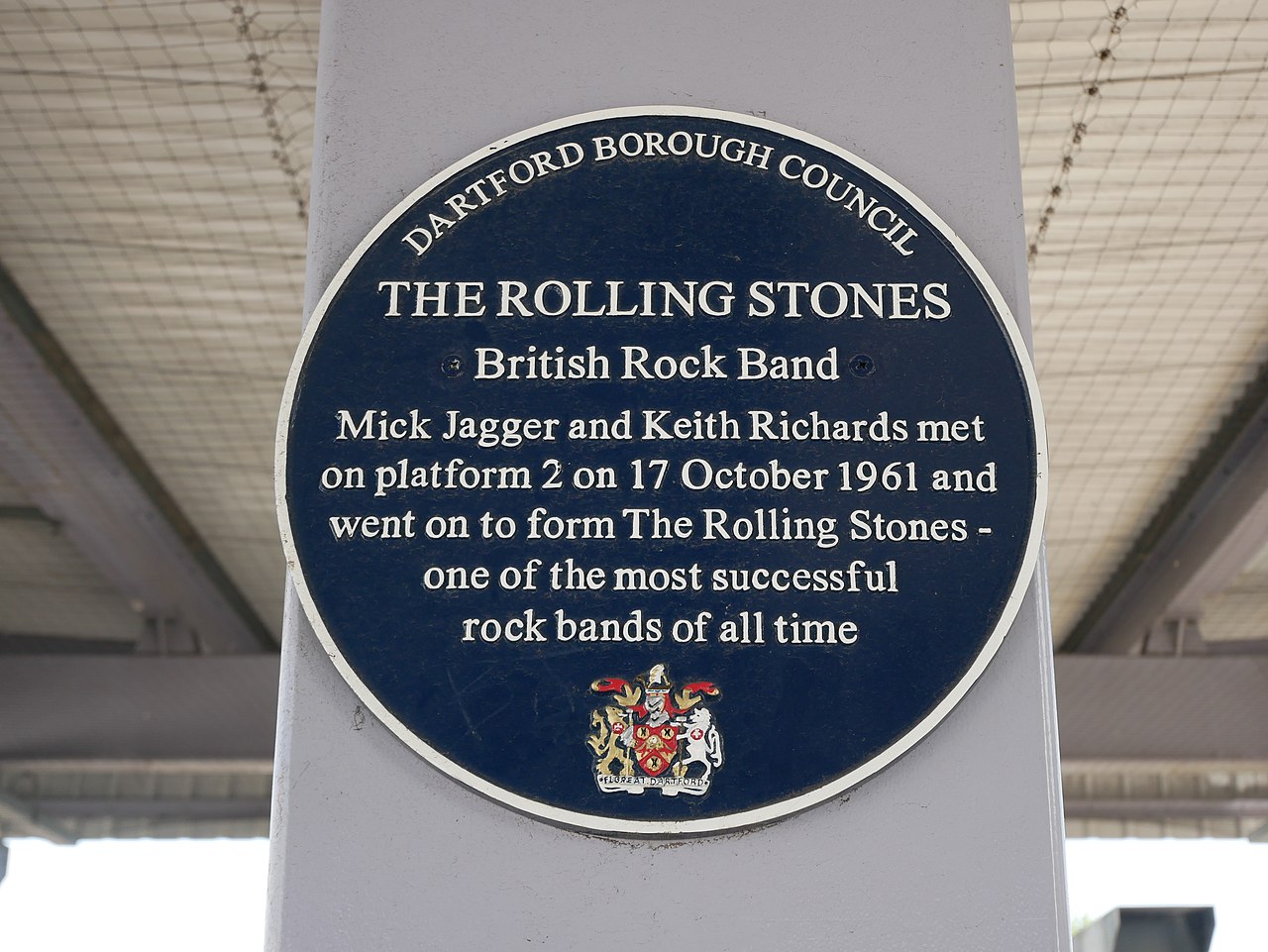
The Rolling Stones are a long-running English band widely recognized as one of the most influential acts in popular music. Emerging in London in 1962, the group built its reputation on a raw, blues-influenced approach to rock. Early core figures included Mick Jagger (vocals), Keith Richards (guitar, vocals), Brian Jones (multi-instrumentalist), and bassist Bill Wyman. Drummer Charlie Watts became a defining presence behind the kit and remained closely associated with the band's rhythm for decades.
Image gallery
10 Images





History and development
The band drew directly from American blues and early rock sources, covering songs and adapting stylistic elements from artists such as Howlin' Wolf, Chuck Berry, Bo Diddley and Muddy Waters. Their first records were heavily indebted to these influences, but the Stones quickly moved toward original material. Along with contemporaries like the Beatles and the Kinks, they helped define the mid-1960s British Invasion that brought UK rock bands to international attention (British Invasion).
Commercial success accelerated in the mid-1960s with singles such as "The Last Time" and the worldwide breakthrough "(I Can't Get No) Satisfaction." The group experimented with different styles through the decade—briefly embracing a psychedelic sensibility in the late 1960s before returning to a grittier, more aggressive sound often described as hard rock. Distinctive tracks from this era include "Paint It Black," "19th Nervous Breakdown," "Sympathy for the Devil," "Jumpin' Jack Flash," and "Honky Tonk Women."
Lineup changes and later periods
Personnel shifts were a recurring part of the band's story. In 1969 Brian Jones was dismissed amid personal problems and died shortly thereafter; he was replaced by guitarist Mick Taylor, who contributed to some of the band's most celebrated early 1970s recordings such as "Brown Sugar" and "Tumbling Dice." Taylor departed in the mid-1970s and was succeeded by Ronnie Wood, who has remained a member since. Longtime bassist Bill Wyman left in 1992, and drummer Charlie Watts died in 2021, marking the end of the band's classic era lineup.
Musical characteristics and influence
The Stones are known for a blend of blues-derived guitar riffs, driving rhythms, and charismatic lead vocals. Keith Richards's open-tuned guitar work and Jagger's stage persona shaped the band's identity. While rooted in traditional American forms, the group continually adapted popular trends and helped popularize a tougher, urban sensibility in rock music. Their lengthy career has made them a touchstone for later rock, punk, and alternative artists seeking a combination of roots authenticity and commercial ambition.
Legacy, output and milestones
Over many decades the band has maintained a steady recording and touring presence. Their catalogue includes dozens of studio albums and numerous live recordings, compilations and singles; their output and touring helped establish the modern stadium-rock template. The Rolling Stones were inducted into the Rock and Roll Hall of Fame in 1989 and have been routinely cited in lists of the greatest artists. They also reached contemporary festival audiences when they headlined the main stage at the Glastonbury Festival for the first time in 2013.
Notable songs and recorded highlights
- Early breakout singles: "(I Can't Get No) Satisfaction," "The Last Time"
- Late 1960s classics: "Paint It Black," "Sympathy for the Devil"
- Early 1970s hits: "Brown Sugar," "Tumbling Dice," "It's Only Rock 'n' Roll"
- Enduring concert staples and reinterpretations across decades
Because of their long career and changing personnel, accounts of the Stones often focus on distinct eras—the Brian Jones formative years, the late-1960s creative peak, the Mick Taylor period, and the Ronnie Wood era that followed. Together those phases chart a band that has remained commercially successful and culturally influential for more than half a century.
For further reading on specific albums, tours, and individual members, consult specialized biographies, official discographies and archival interviews available through music-history resources and documentary collections.
More on British rock • Genre overview • London music scene • Mick Jagger profile • Keith Richards profile • Brian Jones biography • Blues roots • Rock influences • Howlin' Wolf • Chuck Berry • Bo Diddley • Muddy Waters • The Beatles • The Kinks • British Invasion • Psychedelia • Hard rock • Mick Taylor • Ronnie Wood • Hall of Fame induction • Glastonbury appearance
Related articles
Author
AlegsaOnline.com The Rolling Stones: English rock band and enduring cultural icons Leandro Alegsa
URL: https://en.alegsaonline.com/art/98758
Sources
- theguardian.com : "Why Glastonbury belonged to the Rolling Stones"
- digital.library.unt.edu : Hear the Rolling Stones