
British Invasion (1960s rock and pop movement)
A 1960s cultural and musical phenomenon in which British rock, beat and pop groups achieved major popularity abroad, reshaping popular music, fashion, media exposure and youth culture in several countries.
Overview
The term "British Invasion" describes a wave of popular musical acts from the United Kingdom that gained widespread popularity overseas in the 1960s. Many of these groups drew on early rock and roll, rhythm and blues, skiffle and homegrown pop traditions. They became particularly prominent in the United States, Australia and Canada, where British records and touring acts rapidly entered mainstream charts and media.
Image gallery
4 Images


Characteristics and musical style
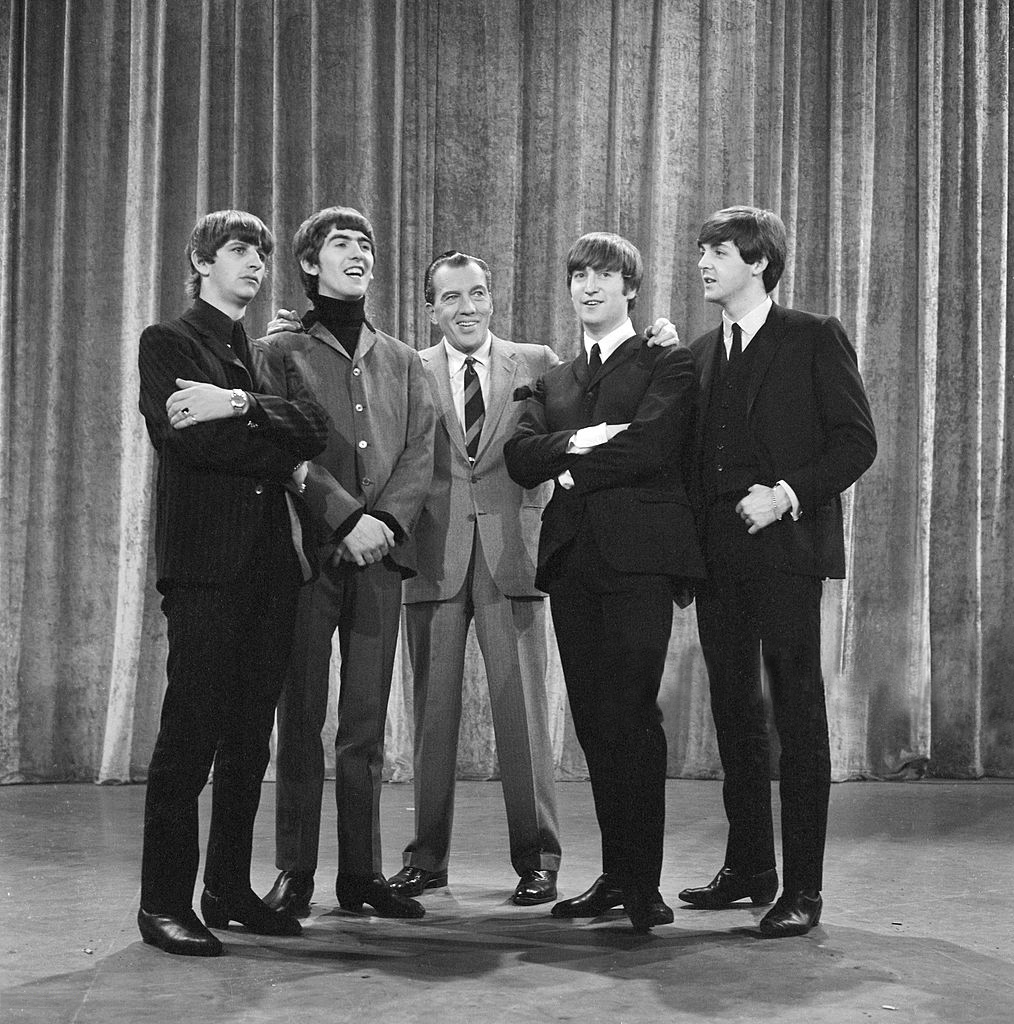
Acts associated with the British Invasion varied in style but often featured strong melodies, vocal harmonies, prominent electric guitars and concise songwriting. Some artists presented polished pop arrangements, while others emphasized rawer, R&B-influenced sounds. Visual presentation, including clothing, hair styles and coordinated stage presence, was an important component of many groups' appeal.
Origins and development
The movement grew out of vibrant local club scenes in Britain, exposure to American blues and rock records, and an expanding music industry able to export recordings and organize international tours. Radio play, televised performances and magazine coverage accelerated exposure, enabling several British acts to achieve rapid commercial success abroad.
Media, tours and commercial success
Television appearances and success on radio playlists helped British bands reach broad audiences. Touring in the United States and other markets reinforced record sales and fan followings. Record labels, managers and promoters played significant roles in coordinating releases and publicity that turned national acts into international stars.
Notable acts and examples
- The Beatles — often cited as a catalyst for wider interest in British artists.
- The Rolling Stones — introduced a grittier, blues-rooted sound to mainstream listeners.
- The Who, The Kinks and numerous beat and pop groups — each contributed distinctive songwriting, performance styles and recorded works that found international audiences.
Impact, legacy and later usage of the term
The British Invasion influenced songwriting, production approaches and youth culture, encouraging a two-way exchange between British and American popular music. Its legacy includes changes in fashion, the internationalization of the pop market and ongoing interest in 1960s music history. In later decades the phrase has been reused to describe subsequent waves of British musical success abroad, though contexts and styles have varied.
Further context
For related topics, see entries on early rock and roll, mid-century pop developments, and the broader United Kingdom music scene. Historical overviews often emphasize the roles of media, touring logistics and transatlantic cultural exchange in shaping the phenomenon.
Related articles
Author
AlegsaOnline.com British Invasion (1960s rock and pop movement) Leandro Alegsa
URL: https://en.alegsaonline.com/art/14271
Sources
- britishinvasionbands.com : "The Bands"
- britishinvasionbands.com : "Profiles of the Greatest Groups of the Sixties"
- digital.library.unt.edu : "The British Are Coming! The British Are Coming!: The U.S.A. is invaded by a wave of long-haired English rockers"