
The Runaways: pioneering 1970s all-female rock band
An overview of The Runaways, the Los Angeles–formed all-female rock group of the 1970s, their members, music, reception, and legacy including Joan Jett and Cherie Currie.
The Runaways were a pioneering all-female rock band formed in Los Angeles in the mid-1970s. As teenagers they combined raw guitar-driven songs, theatrical stage presence, and a rebellious image that challenged expectations for women in popular music. Although their commercial impact in the United States was limited, they built a devoted following overseas and left an outsized influence on later generations of female rock musicians.
Image gallery
10 Images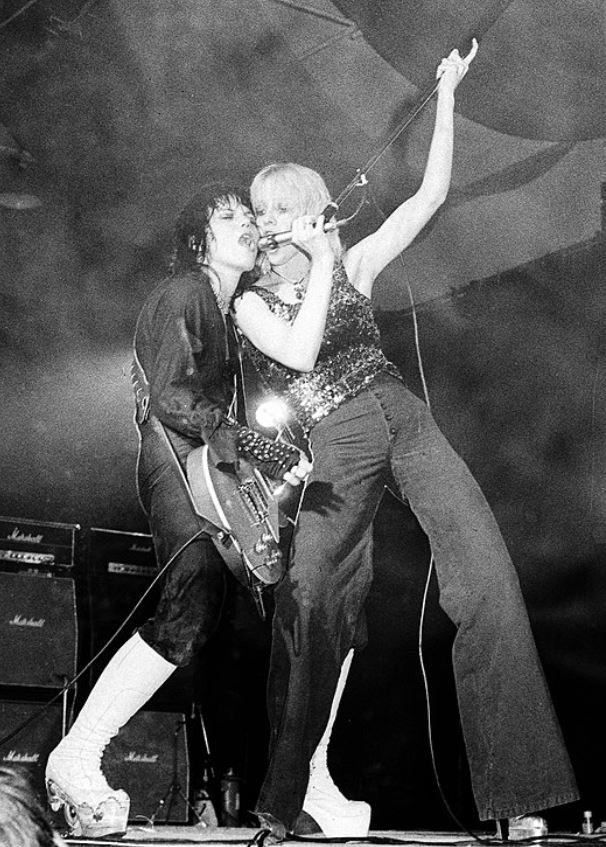





Formation and members
The group was assembled from young musicians by a manager and producer who sought to create a teenage rock act. The most widely recognized lineup included vocalist Cherie Currie, guitarist Joan Jett, lead guitarist Lita Ford, drummer Sandy West and a bass player who changed during the band’s brief existence. Several members went on to separate careers in music after the band dissolved, most notably Joan Jett and Lita Ford.
Music and style
The Runaways blended elements of hard rock, glam and early punk energy into compact, high-energy songs. Their best-known track, "Cherry Bomb," became a defining statement of youthful defiance and remains their signature song; it originally appeared on their debut album. Their sound emphasized driving guitar riffs, punchy rhythms and deliberately provocative lyrics and stagecraft, which helped them stand out in a male-dominated rock scene.
Reception and legacy
In the United States the band never achieved major chart success, but they found stronger commercial reception and enthusiastic audiences in markets such as Japan and parts of Europe. Over time The Runaways gained recognition for breaking gender barriers in rock and for inspiring later artists and bands that featured women in prominent instrumental and songwriting roles. Their story has been revisited in books, documentaries and a dramatized feature film, bringing renewed attention to their cultural role.
Notable facts and recordings
- Signature song: "Cherry Bomb", widely associated with the band and often anthologized.
- Early albums: they released several records in the late 1970s that circulated internationally and contributed to their overseas popularity.
- Post-Runaways careers: members pursued solo projects and continued in rock music; some achieved significant commercial success and influence in the 1980s and beyond.
- Context: as an American rock act, they occupy a notable place in discussions of gender and popular music of the 20th century.
Although their active period lasted only a few years, The Runaways are remembered for the combination of teenage audacity, memorable songs and the careers they helped launch. Their legacy is often cited when tracing the emergence of female-fronted rock acts and the gradual broadening of roles available to women in mainstream rock music.
Related articles
Author
AlegsaOnline.com The Runaways: pioneering 1970s all-female rock band Leandro Alegsa
URL: https://en.alegsaonline.com/art/98769