
Rock and Roll Hall of Fame
American museum and hall of fame documenting the history and influence of rock and related popular music, its artists, producers, collections, induction process, and cultural significance.
Overview
The Rock and Roll Hall of Fame is an institution dedicated to documenting and celebrating the history and influence of rock music and related popular forms. Located in Cleveland, Ohio, the organization serves both as a museum with public galleries and as a hall of fame that recognizes individuals and groups who have made significant contributions to popular music. The institution's public face includes exhibits, educational programming, archival collections and an annual induction ceremony that draws international attention. For official visitor information see the institution's site: Rock and Roll Hall of Fame.
Image gallery
8 Images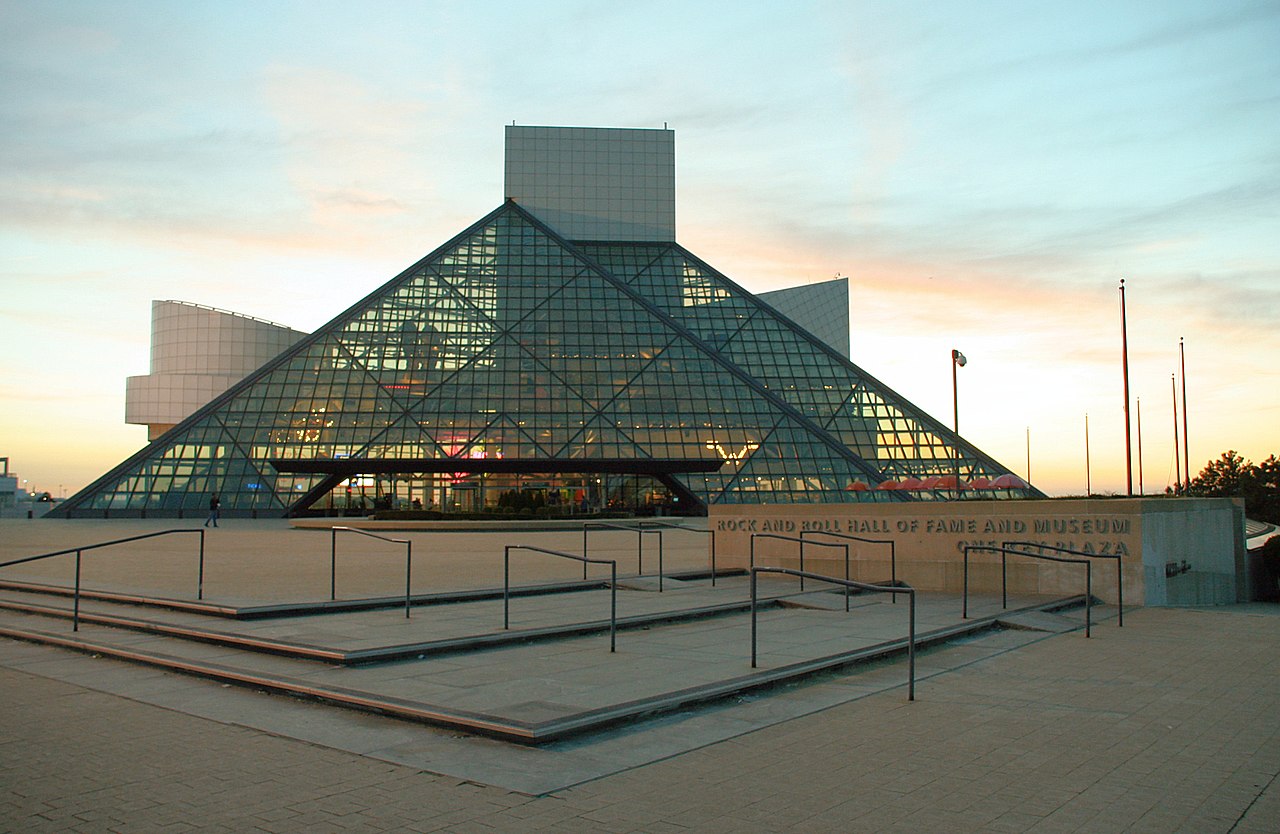




Induction process and categories
Induction recognizes artists, musicians, and industry professionals who meet eligibility requirements and are chosen by a body of historians, music industry professionals, and living inductees. Typical categories include:
- Performers: artists and bands whose recordings and performances shaped rock and related genres.
- Non-performers: producers, songwriters, and industry figures honored for behind-the-scenes influence.
- Early influence & special awards: recognitions for pioneers and distinctive contributions.
Candidates usually become eligible a set number of years after their first commercial recordings, and final selections are announced in advance of the annual induction event. The nomination and voting procedure has evolved over time and is often described in detail by the institution: induction and nomination FAQ.
Museum building and collections
The museum houses artifacts such as instruments, costumes, handwritten lyrics, photographs and multimedia presentations. Its galleries present chronological and thematic exhibits that explore musical movements, cultural context, and influential recordings. The building itself, notable for its contemporary design, was created to serve both exhibition and archival purposes, and contains conservation facilities and public learning spaces. Visitors can often find rotating exhibits and touring displays that highlight different eras or artists; planning information and exhibition schedules can be found here: exhibitions and events.
History and debates
The idea of a hall of fame for rock music originated in the early 1980s and developed over subsequent years into a permanent museum and an ongoing honors program. Since its founding the institution has been influential in shaping public narratives about popular music, but it has also sparked debate. Critics and fans sometimes dispute selections, question genre boundaries, or argue about underrepresentation of certain artists, styles, or regions. These discussions are part of the broader cultural conversation about how musical value is judged and preserved.
Public programs and significance
Beyond the induction ceremonies, the organization supports education through school programs, oral-history projects, research access to archives, and public events that examine music's social and artistic impacts. The institution functions both as a tourist destination and as a cultural archive, helping to safeguard primary sources for scholars, journalists, and enthusiasts. Its role in celebrating popular music has contributed to ongoing interest in artists' legacies and the historical study of 20th- and 21st-century popular culture.
Related articles
Author
AlegsaOnline.com Rock and Roll Hall of Fame Leandro Alegsa
URL: https://en.alegsaonline.com/art/83504