
Hard rock: origins, sound, and cultural influence
Hard rock is a loud, guitar-driven style of rock music that emerged from 1960s garage and psychedelic scenes and shaped later subgenres like metal, punk and grunge.
Overview
Hard rock is a loud, riff-focused branch of rock music that emphasizes strong guitar riffs, pronounced rhythms, and assertive vocals. It grew from the raw energy of early 1960s garage bands and the experimental textures of psychedelic rock, combining straightforward songcraft with heavier sonics. Listeners often associate hard rock with amplified guitar distortion, prominent drum beats and a production style intended for large venues.
Image gallery
10 Images




Characteristic elements
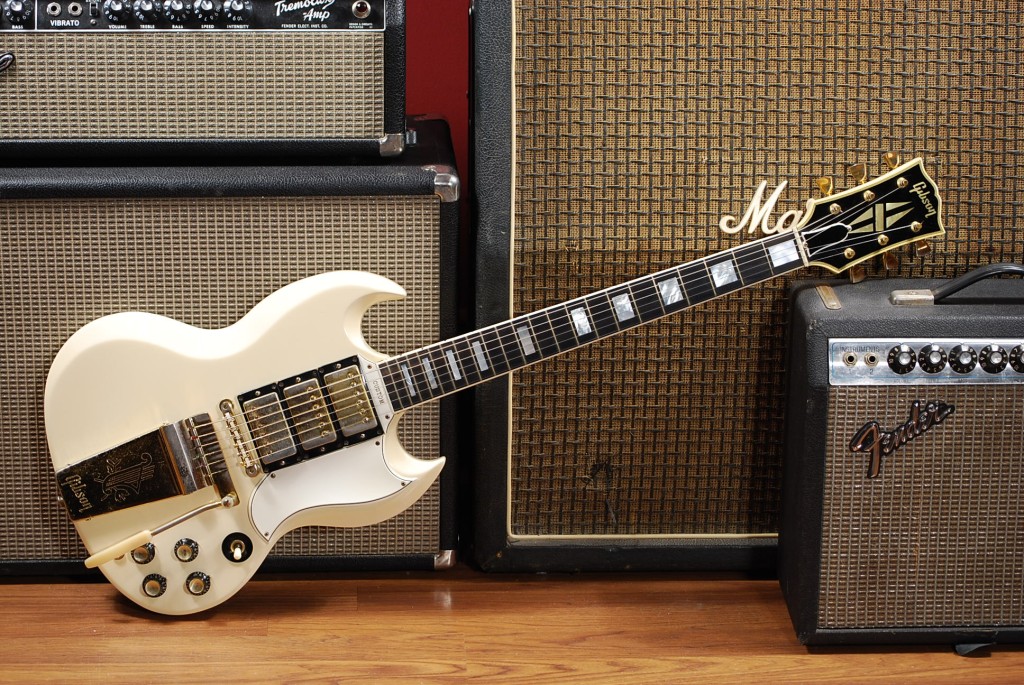
Typical instrumentation includes electric guitars (often two for rhythm and lead), bass, drums and a vocal lead; keyboards appear in some acts. Important musical features are:
- Power chords, memorable guitar riffs and frequent use of distortion and overdrive.
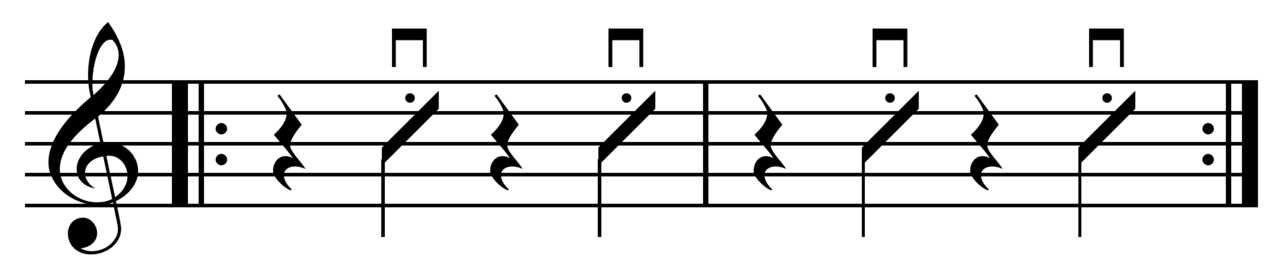
- Driving backbeat and rhythmic emphasis to support anthemic choruses.
- Guitar solos and a spotlight on instrumental virtuosity in many recordings and live shows.
- Vocal styles ranging from gritty shout-singing to melodic belting.
History and development
Hard rock's roots lie partly in garage rock and early blues-based rock, with bands in the late 1960s and 1970s refining a heavier, more aggressive sound. Acts widely recognized in the mainstream helped define the aesthetic and pushed hard rock into stadiums and mainstream charts. Over time, hard rock influenced and intersected with other movements; some bands moved toward harder extremes identified as heavy metal while others retained a more accessible, radio-friendly approach often called pop rock.
Influence and related styles
Hard rock had reciprocal relationships with several genres. Elements of its guitar-driven attack informed early punk rock energy and later alternative forms. In the late 1980s and 1990s, the aesthetic overlapped with grunge and alternative rock—genres sometimes described simply as hard rock by listeners and critics, including grunge. The lines between hard rock and metal can be blurred; distinctions often rest on tempo, vocal delivery and production choices rather than a single defining trait.
Uses, examples and cultural role
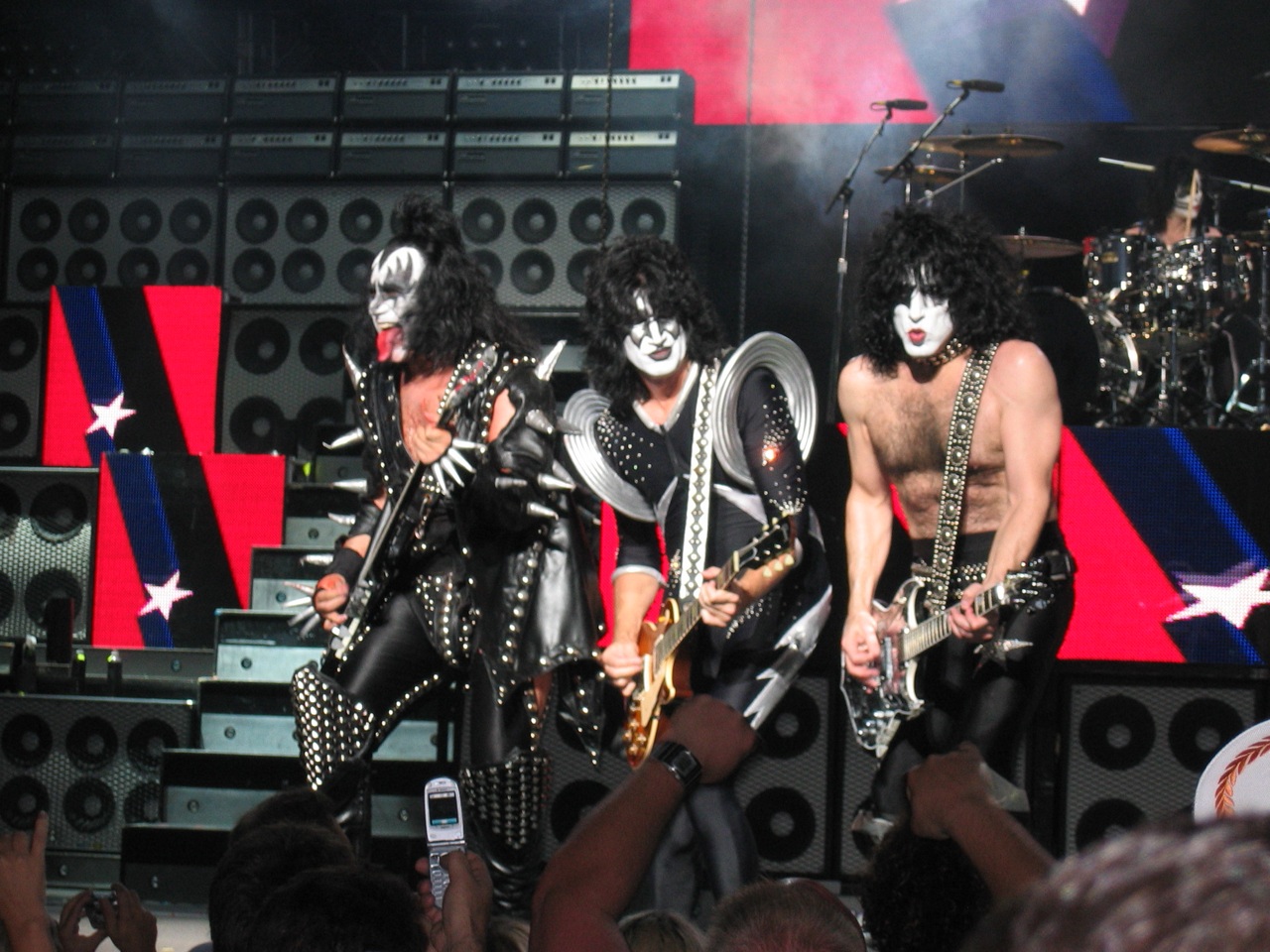
Hard rock has been a staple of live concert culture, radio programming and popular film and advertising soundtracks. Its emphasis on memorable riffs and choruses makes it suited to arena performances and communal singing. Many widely known artists serve as reference points for the genre and demonstrate its range from blues-based hard rock to more polished, commercial variants.
Notable distinctions and facts
When distinguishing hard rock from related categories, listeners and writers often compare it to early scene influences, to pure garage or to contemporary offshoots. Industry and press sometimes use the label loosely, applying it to bands with varying degrees of heaviness. For further background on rock subgenres and how they connect to hard rock, see more resources: rock overview, origin scenes, garage roots, psychedelia, punk links, grunge ties and pop contrasts.
Related articles
Author
AlegsaOnline.com Hard rock: origins, sound, and cultural influence Leandro Alegsa
URL: https://en.alegsaonline.com/art/42399
Sources
- allmusic.com : "Hard Rock"