
The Last Waltz (The Band concert and film)
The Last Waltz was The Band's farewell concert in 1976, later filmed by Martin Scorsese and released as a celebrated concert film and soundtrack, notable for its guest performers and influence on live-documentary cinema.
Overview
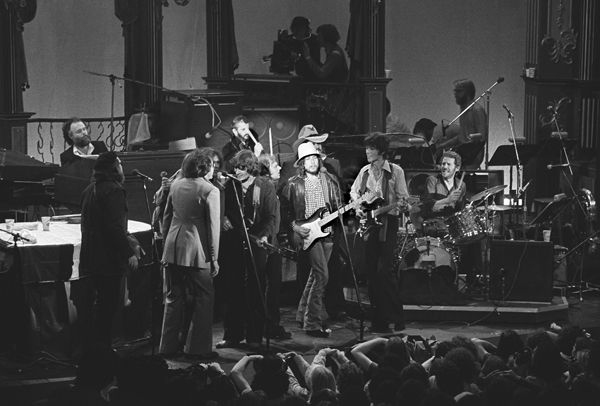
The Last Waltz was staged as the farewell performance of The Band, a seminal group often described in both Canadian and American popular-music histories. Rooted in rock, roots and Americana traditions, the concert was held on Thanksgiving, November 26, 1976 at the Winterland Ballroom in San Francisco. The event combined a formal goodbye with a celebration of the band's career and its musical community.
Image gallery
6 Images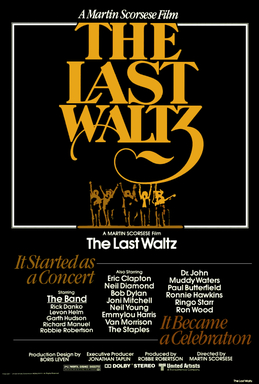



Event and programme
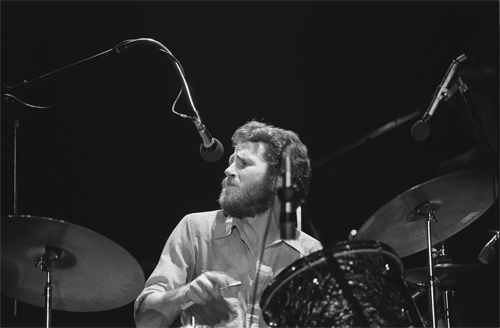
Planned as a one-off farewell, the evening mixed The Band's core repertoire with extended collaborations. Musically the show ranged from country-tinged ballads to electric blues and rock, and the staging included horn and string arrangements added for the occasion. While the concert marked an end of an era for the group, it also functioned as a showcase for artists who had shaped or been shaped by mid-20th-century popular music.
Guests and featured performers
- Ronnie Hawkins
- Dr. John
- Neil Young
- Neil Diamond
- Joni Mitchell
- Muddy Waters (with special billing as a blues elder): Muddy Waters
- Eric Clapton
- Emmylou Harris
- Bob Dylan
- Ringo Starr
- Ronnie Wood
- Stephen Stills
- Carl Radle
- Bobby Charles, Paul Butterfield, Van Morrison and other collaborators also appeared during the evening.
Film, recording and release
The concert was captured on film and subsequently edited into a concert documentary and soundtrack. The cinematic project is often referred to simply as the film, directed by Martin Scorsese, and issued to the public after post-production work in 1978. The film intercuts performance footage with interview material and staged sequences, using cinematic techniques that helped set a new standard for concert documentaries.
Legacy and notable facts
The Last Waltz has been cited as an influential model for live recordings and rock films, notable both for the breadth of guest artists and for the production values applied to a concert setting. It stands as a document of a particular moment in popular-music history: a community of performers linked by shared influences, careers and mutual respect. The evening's mixture of genres and star appearances has made it a frequent point of reference in discussions of artist collaborations and the evolution of the concert film.
Distinctions
Beyond serving as a farewell concert, the event is remembered for the convergence of generations—blues pioneers, singer-songwriters and rock stars—on a single stage. Its film version helped elevate the concert movie to a more ambitious, narrative-aware form and remains a touchstone for filmmakers and music historians examining live performance on screen.
Related articles
Author
AlegsaOnline.com The Last Waltz (The Band concert and film) Leandro Alegsa
URL: https://en.alegsaonline.com/art/98315