
Third Battle of Panipat (14 January 1761)
A detailed account of the Third Battle of Panipat (1761), its forces, tactics, disputed details, outcome and long-term consequences for the Maratha Empire, Afghans and the Indian subcontinent.
Overview
The Third Battle of Panipat, fought on 14 January 1761, was one of the largest and most consequential engagements of 18th-century South Asia. It pitted the northern coalition led by Ahmad Shah Durrani (also known as Ahmad Shah Abdali) against the army of the Maratha Confederacy, which had advanced into the Gangetic plain seeking to extend its influence after displacing the Mughal authority. The encounter took place near the town of Panipat, a site on the plains north of Delhi that had witnessed major pitched battles in earlier centuries. The clash is remembered as a decisive, costly check on Maratha expansion and a dramatic episode in the contest for power that followed the decline of the Mughal Empire.
Image gallery
9 Images


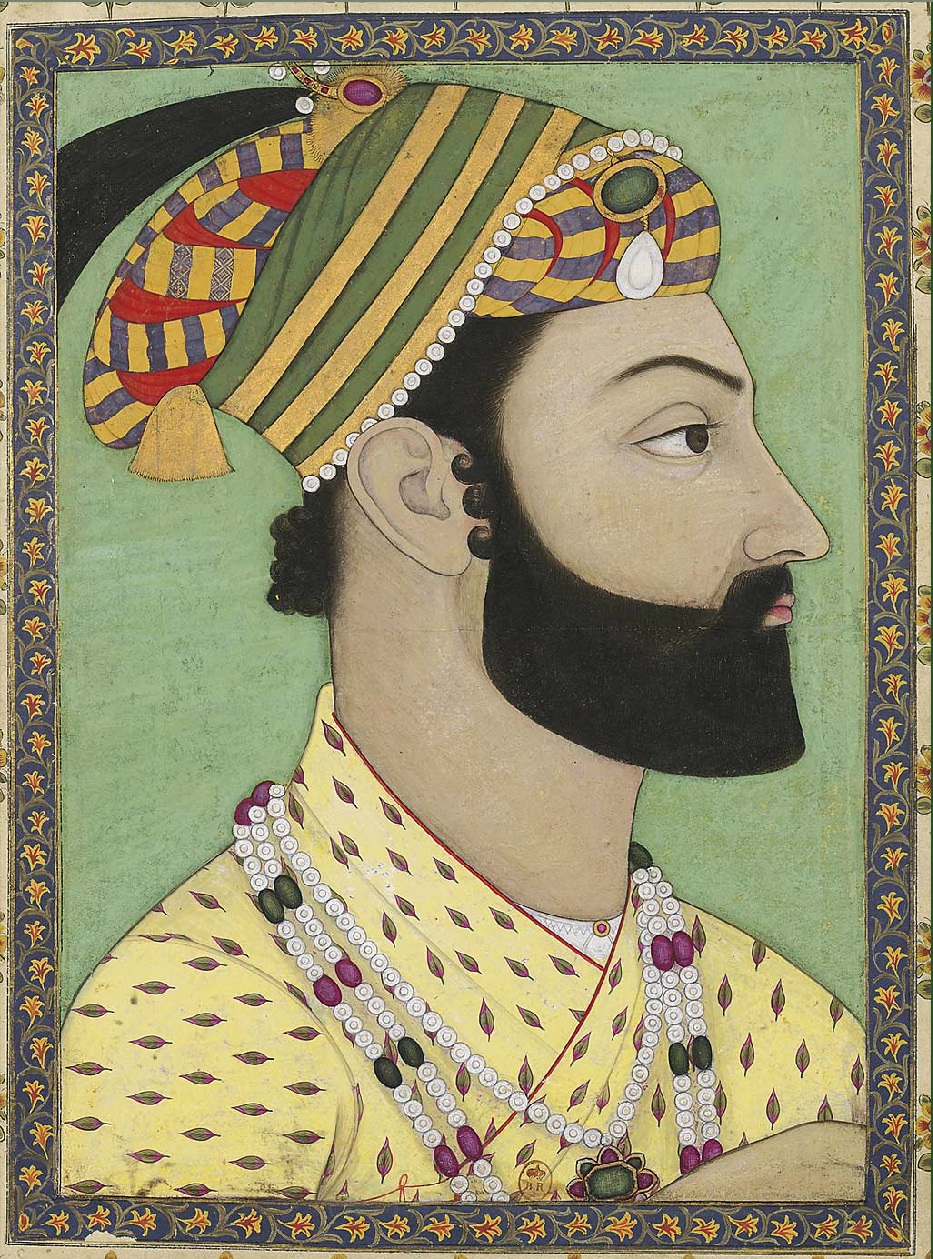


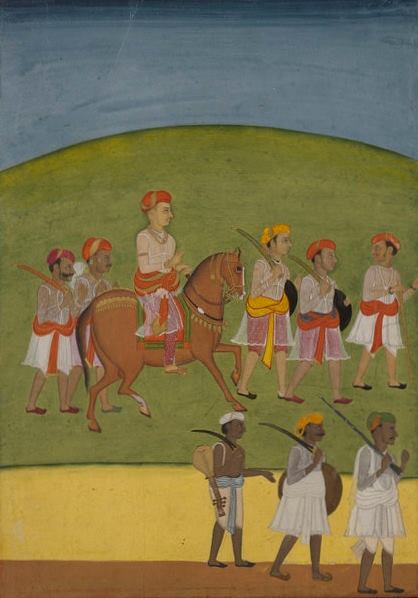
Combatants and leadership
Two broadly distinct coalitions met on the plain. The Afghan coalition was led by Ahmad Shah Durrani and included Rohilla chiefs and regional allies who opposed Maratha dominance in the north. The Marathas were commanded in the field by Sadashivrao Bhau, representing the Peshwa, with the Peshwa's heir Vishwasrao present. The Maratha force combined traditional cavalry with contingents of infantry trained on European lines and artillery units under commanders such as Ibrahim Khan Gardi, whose disciplined gunners and infantry played a crucial role in several phases of the battle.
- Afghan-led coalition: Ahmad Shah Durrani (Abdali), Rohilla leaders, and regional allies concerned about Maratha influence.
- Maratha Confederacy: Sadashivrao Bhau as the principal field commander, the Peshwa’s family present, European-trained artillery and infantry units, and many Maratha cavalry contingents.
Context and preparations
The engagement was rooted in the power vacuum left by the weakening Mughal centre and the struggle among regional polities for control of northern India. By the late 1750s the Marathas had extended their influence into much of the subcontinent and moved to assert authority in the north. Ahmad Shah Durrani returned from Afghanistan with the intention of checking Maratha advances and restoring influence for his allies. Both sides prepared carefully: the Marathas sought to establish secure supply lines and defensive works, while Durrani and his commanders concentrated on alliances, reconnaissance, and battlefield arrangements that combined mobility and firepower.
Forces, tactics and battlefield arrangements
Contemporary and later accounts describe a mix of conventional and adaptive tactics. The Marathas fielded large numbers of cavalry accustomed to rapid movement and shock action, supported by infantry with European-style drill and artillery, which could deliver concentrated fire. Ahmad Shah’s forces relied on disciplined cavalry, mobile artillery, and skilled riflemen; allied Rohillas and other local leaders contributed both horse and infantry contingents. Both commanders tried to exploit terrain, lines of supply and the timing of reinforcements.
Supply and logistics were critically important. The Maratha army had advanced deep from its home territories and required long supply lines that were vulnerable to disruption. Ahmad Shah and his allies attempted to isolate the Marathas, restrict their resources and use manoeuvre to create opportunities for local superiority. In addition to pitched fighting, sharpshooting, artillery exchanges and cavalry actions, both sides used field fortifications and defensive works to protect their formations during the course of the day.
Course of the battle
Fighting began in the morning and continued across the day in a sequence of attacks, counterattacks and attempts by each side to disrupt the other’s cohesion. The Marathas initially sought to press their advantage with aggressive advances supported by their cannon and trained infantry. Ahmad Shah’s forces used mobile tactics, staged counterattacks and exploited opportunities to encircle or break enemy formations. The battle featured close-quarter combat, sustained artillery fire and cavalry engagements that repeatedly shifted the tactical picture. Several key Maratha leaders, including Vishwasrao and Sadashivrao Bhau, were killed in the fighting, a development that badly affected morale and command coherence.
Accounts vary about the exact sequence and the disposition of particular units; historians rely on contemporary reports and later reconstructions that sometimes differ in detail. What is generally accepted is that the Afghan coalition achieved a decisive tactical advantage during the day, inflicting heavy losses and forcing the disintegration of the Maratha field army.
Aftermath and consequences
The immediate result was a severe defeat for the Maratha Confederacy in northern India. Casualties were large on both sides and the human cost included combatants and non-combatants attached to the armies. The Marathas were forced to withdraw from their positions in the north, and the political momentum they had built was interrupted. Ahmad Shah Durrani did not convert the victory into long-term territorial control of the entire region, but the battle weakened Maratha authority in the short term and contributed to a period of political fragmentation in the subcontinent.
Longer-term consequences are complex. The loss at Panipat delayed Maratha ambitions in the north and altered the balance among Indian polities, indirectly helping to create conditions in which European powers, especially the British East India Company, could expand influence over succeeding decades. The battle has been interpreted in many ways: as a tragic military setback for the Marathas, as a temporary restoration of influence for Ahmad Shah in northern India, and as a turning point in the shifting patterns of power after the Mughal decline.
Historiography and notable debates
Scholars debate several aspects of the battle: the exact numbers involved, the battlefield location and the relative importance of logistics, leadership choices and alliances in producing the outcome. Some historians emphasize the strategic overstretch and supply problems that hampered the Marathas; others highlight tactical decisions and battlefield manoeuvres by Ahmad Shah’s commanders. There is also discussion of whether alternative Maratha commanders or different strategic choices might have produced a different result. The event has been the subject of national and regional memory, political interpretation and cultural representation in later histories of the subcontinent.
Significance and legacy
Beyond its immediate military effects, the Third Battle of Panipat remains a landmark in South Asian history because it marks a moment when emergent powers collided on a plain long associated with decisive warfare. It shaped the trajectory of 18th-century politics, influenced subsequent alliances and campaigns, and is remembered as a cautionary example of the limits of expansion when logistics, local alliances and battlefield coordination are not secured. For further synthesis and primary-source descriptions, consult specialist histories that treat the battle within broader studies of the Maratha rise and the Durrani interventions in India. See general references on Indian history, the biography of Ahmad Shah Durrani and studies of the Maratha Empire for context and extended discussion.
Related articles
Author
AlegsaOnline.com Third Battle of Panipat (14 January 1761) Leandro Alegsa
URL: https://en.alegsaonline.com/art/99394