
The Open Door Tour (Evanescence)
The Open Door Tour was Evanescence's second worldwide concert tour, launched in 2006 to promote their second album The Open Door; it combined arena dates and festival appearances across multiple regions.
Overview
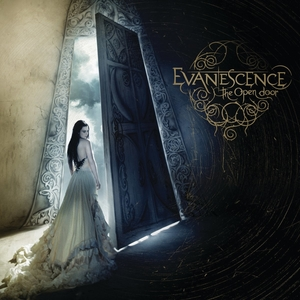
The Open Door Tour was the second global concert tour by the American alternative metal band Evanescence, organized to support their 2006 studio album The Open Door. The tour launched on October 5, 2006, in Toronto, Canada and ran for a little over a year. It combined headline arena and theatre shows with appearances at large rock and pop festivals, presenting the band’s mix of heavy guitar-driven material and piano-led ballads to audiences worldwide.
Image gallery
6 Images



Scope and itinerary
While the exact dates and routing varied, the tour covered multiple territories and formats typical for a worldwide run: standalone headline concerts, supporting slots, and summer festival stages. The itinerary featured a mixture of club-to-arena venues and included several high-profile festival appearances, allowing the band to reach both core fans and broader festival audiences.
Musical approach and stage presentation
Performances during the tour highlighted the contrast between the band’s darker, heavier songs and the more melodic, orchestral-tinged tracks introduced on The Open Door. Setlists drew from both The Open Door and their debut album Fallen, balancing new material with established hits. On stage, the group emphasized dramatic dynamics — combining distorted guitars and driving rhythms with piano, layered vocals, and occasional orchestral or choral textures to reproduce the studio arrangements in a live setting.
Notable festival appearances
- Download Festival — major rock festival performance.
- Pinkpop — a prominent European festival appearance.
- Z100's Jingle Ball — a high-profile radio-sponsored event reaching mainstream audiences.
Reception and significance
The Open Door Tour reinforced Evanescence’s position in the international rock and alternative scenes by showcasing songs from their second album alongside fan favorites from their debut. The combination of arena shows and festival slots helped expand their audience and demonstrated the band’s capacity to translate studio complexity into energetic live performances. For many fans the tour was notable for presenting new material live for the first time and for the visual and sonic contrasts that characterized the band’s concerts during this period.
Notable facts
As a promotional vehicle for their sophomore album, the tour marked an early large-scale chapter in the band’s career. It illustrated common trends in mid-2000s rock touring—mixing headline dates with festival circuits—and remains a reference point for Evanescence’s live evolution after their breakthrough with Fallen.
Questions and answers
Q: What is The Open Door Tour?
A: The Open Door Tour is the second worldwide tour by American alternative metal band Evanescence in support of their second album, The Open Door.
Q: When did The Open Door Tour start?
A: The Open Door Tour began on October 5, 2006, in Toronto, Canada.
Q: How long did The Open Door Tour last?
A: The Open Door Tour lasted for a little over a year.
Q: Which music festivals did the band perform at during The Open Door Tour?
A: The band performed at several popular music festivals, including Download and PinkPop festivals and Z100's Jingle Ball.
Q: What songs were included in the setlist for The Open Door Tour?
A: The setlist for The Open Door Tour included songs from The Open Door and the band's debut album, Fallen.
Q: Which album did The Open Door Tour support?
A: The Open Door Tour supported the band's second album, The Open Door.
Q: What is the genre of Evanescence's music?
A: Evanescence is an American alternative metal band.
Related articles
Author
AlegsaOnline.com The Open Door Tour (Evanescence) Leandro Alegsa
URL: https://en.alegsaonline.com/art/98564