
Ronnie Hawkins (1935–2022)
Ronnie Hawkins was an American-born rock and roll singer-songwriter who became a central figure in the Canadian music scene and a mentor to the musicians who formed The Band.
Overview
Ronnie Hawkins was an American-born rock and roll singer-songwriter and showman whose career was largely based in Canada. Born in Huntsville, Arkansas, he moved north and established himself in the Toronto area, becoming a fixture in the Ontario music scene. Hawkins blended country, rhythm and blues, and early rock and roll, and was widely credited for his energetic stage presence and for nurturing younger musicians.
Image gallery
3 Images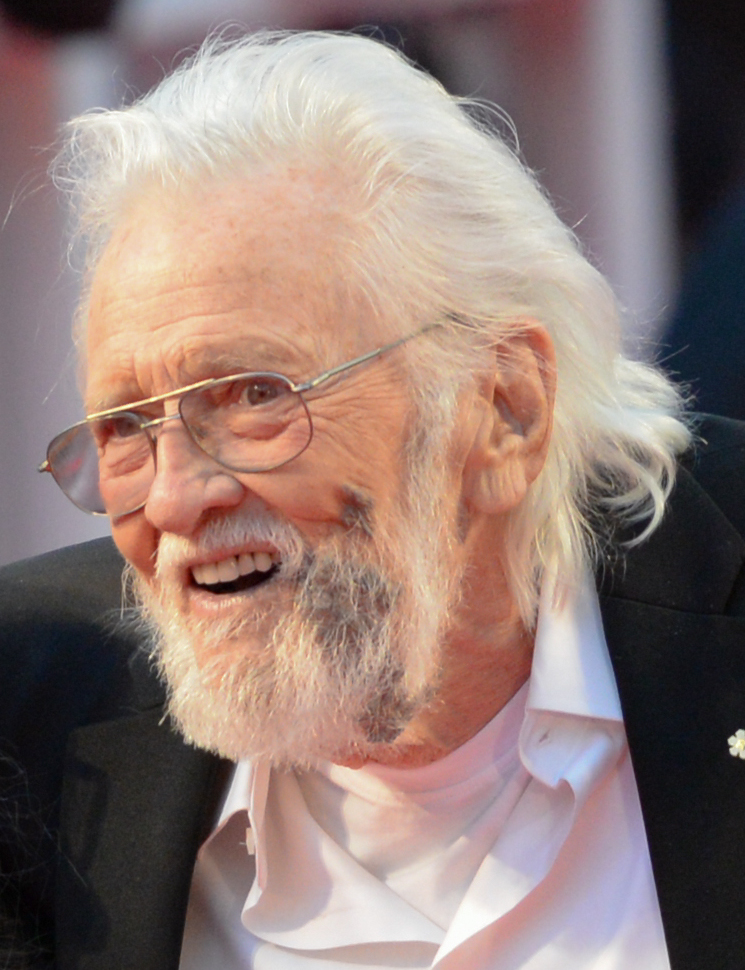


Career and musical style
Beginning as a performer of rock and roll standards and blues-inflected numbers, Hawkins made his name with bold covers and charismatic performances. He often reworked songs by writers such as Chuck Berry and Young Jessie, recording versions that showcased his gravelly voice and rhythmic drive. Audiences knew him for lively interpretations of material like "Forty Days" (adapted from a Chuck Berry tune), "Mary Lou," "Who Do You Love?" and other classics from the rock and roll repertoire. His stagecraft included physicality, storytelling, and an onstage persona that emphasized showmanship as much as musicality.
Bands, mentorship and influence
Hawkins led a backing group known as the Hawks. That band became famous not only for accompanying him but also as a training ground for musicians who would later form the celebrated group The Band. Several members who passed through Hawkins's ensemble went on to national and international recognition, and Hawkins is often cited as an important mentor figure who helped develop their early careers. His influence extended beyond individual players to a broader Canadian rock community, where his clubs, tours, and recordings helped create a local ecosystem for roots-tinged rock music.
Recordings and repertoire
Although best known for covers and interpretations, Hawkins's recorded output captured the raw, rhythmic energy of 1950s and 1960s rock and roll. He favored material that combined driving beats with blues and country inflections. Notable recorded tracks include his takes on "Forty Days," "Mary Lou," "Susie Q," and rhythm-heavy numbers such as "Hey Bo Diddley." These recordings circulated widely on radio and in live venues and contributed to his reputation as a bridge between American rock roots and the emerging Canadian rock scene.
Recognition and legacy
Hawkins's contributions were recognized within Canada and by peers across North America. He was awarded national honors and remembered for his role in promoting rock and roll in Canada and for fostering young talent. Music historians and fans credit him with helping to shape a distinctly Canadian strand of roots rock while maintaining a direct link to the American rock and roll tradition. For further biographical details see a general profile at biography resources and genre context at rock and roll overviews.
Later life and death
Hawkins remained active for many decades, performing, mentoring, and appearing in documentaries and interviews about early rock history. He was closely associated with the Toronto area and the province of Ontario, performing across the region and making his home in Canada. He died from pancreatic cancer at age 87 in Peterborough, Ontario. His life and career are chronicled in numerous articles, oral histories, and retrospectives; many accounts reference the importance of his Arkansas roots and the clubs where he built his reputation in Toronto.
- Key names associated with Hawkins's career: the Hawks and several future members of The Band.
- Representative songs often cited: "Forty Days" (Chuck Berry cover), "Mary Lou" (Young Jessie song), "Susie Q".
- Sources for further reading: archival profiles, genre surveys, and regional music histories (biographical page, genre overview).
Author
AlegsaOnline.com Ronnie Hawkins (1935–2022) Leandro Alegsa
URL: https://en.alegsaonline.com/art/130032