
Third Fleet (Australia) — 1791 convict transports to New South Wales
The Third Fleet was a convoy of 11 British transport ships that sailed to the penal colony at Sydney in 1791, carrying over 2,000 convicts plus soldiers, officials and supplies that helped consolidate early colonial settlement.
The Third Fleet was a group of eleven transport vessels that sailed from Great Britain to the colony at Sydney in 1791. Dispatched under the authority of the British government, the convoy formed part of the continuing program of convict transportation and the broader project of colonisation of Australia. The ships departed in February, March and April of 1791 and together carried more than 2,000 convicts destined for the nascent penal settlement.
Image gallery
2 Images
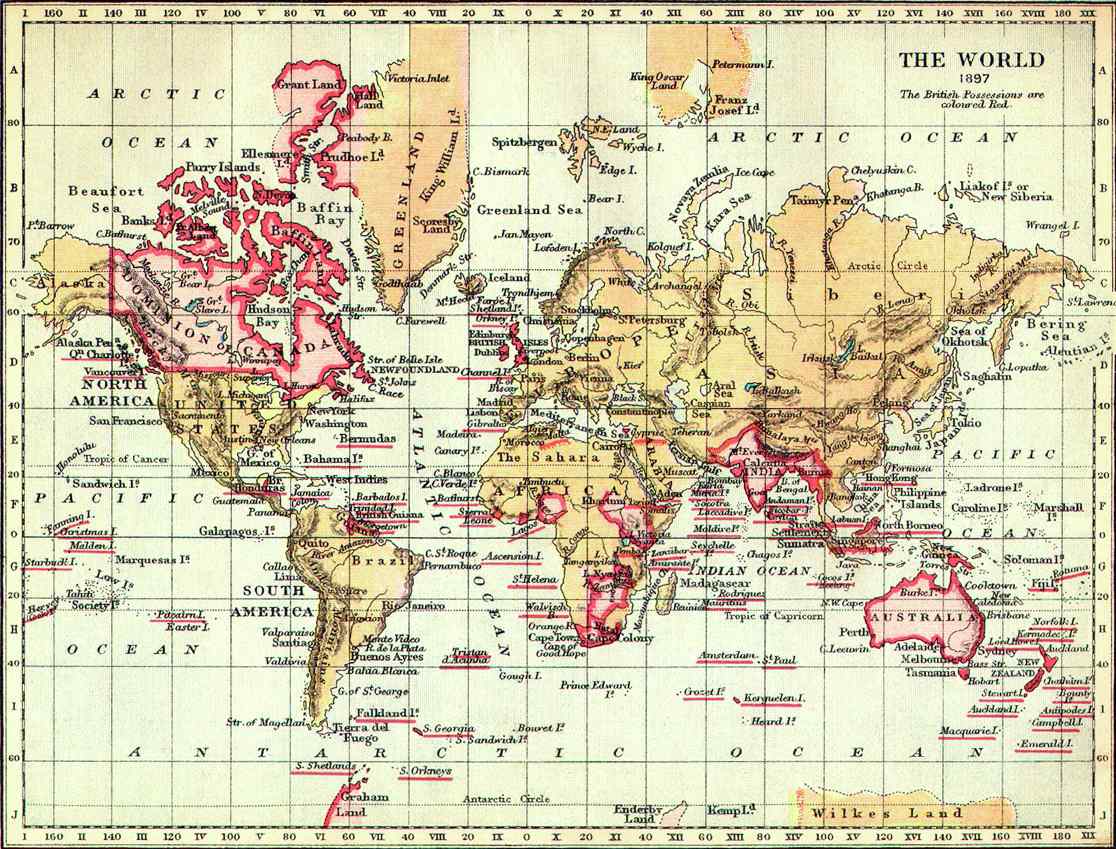
Composition and onboard conditions
The fleet combined a variety of human and material cargo. In addition to the transported convicts, the vessels carried soldiers and marines to provide security, civilian officials and officers appointed to administrative roles, and free settlers or tradespeople needed for colonial tasks. Provisions, tools and livestock formed an important part of the shipment to sustain the colony. Contemporary accounts describe crowded quarters, the constant risk of disease, and hard discipline, although conditions varied from ship to ship.
Voyage and logistics
The eleven ships that made up the Third Fleet sailed separately but with a common destination. They left from ports in Great Britain over a number of weeks and followed established Atlantic and Indian Ocean routes to the southern hemisphere. Many long voyages of this era included planned stops for reprovisioning. Organizing a fleet of this size required coordination between naval agents, contractors who supplied the transports, and colonial authorities preparing to receive arrivals at Sydney.
Historical context and significance
The Third Fleet arrived within the first few years of European settlement in New South Wales and followed earlier arrivals that established the colony. It reinforced the penal labour economy by supplying additional convict labour crucial to building infrastructure, farms and public works. The arrival of so many people and supplies in 1791 helped stabilize the settlement after difficult early years and contributed to its demographic and economic growth.
Legacy and notable facts
- The fleet is commonly referenced in studies of early transportation policy and colonial expansion; descriptions and lists of the individual vessels and passengers survive in official correspondence and shipping records (ship lists).
- Passengers included a mix of social backgrounds: convicts, military personnel, and individuals appointed to carry out civil duties or assume office in the colony.
- As part of the wider program that sent convicts to New South Wales, the Third Fleet illustrates how imperial logistics, penal policy and colonial needs intersected in the empire’s expansion.
Researchers and readers interested in primary documents, passenger lists and administrative correspondence can consult archival collections and specialist histories for detailed manifests and accounts; many summaries and transcriptions are available via institutional catalogs and maritime histories (penal colony records, ship manifests, convict registers). For accessible overviews of the broader policy that produced fleets like this one see studies of the colonisation of Australia and administrative reports preserved in British archives (government correspondence, New South Wales colonial records).
Related articles
Author
AlegsaOnline.com Third Fleet (Australia) — 1791 convict transports to New South Wales Leandro Alegsa
URL: https://en.alegsaonline.com/art/99397