
Neil Young: Canadian-born singer-songwriter and influential rock artist
Concise overview of Neil Young’s life, music, collaborations, activism, legal disputes and legacy, highlighting his stylistic range from folk and country to electric rock and his influence on later alternative music.
Neil Young (born November 12, 1945) is a Canadian-born singer, songwriter and musician whose career has spanned more than five decades. He is widely recognized for a distinctive tenor voice, expressive acoustic playing and a willingness to shift between fragile folk and loud, feedback-driven electric rock. Biography summaries commonly describe him as both Canadian and American in background, reflecting his origins and long association with the North American music scene.
Image gallery
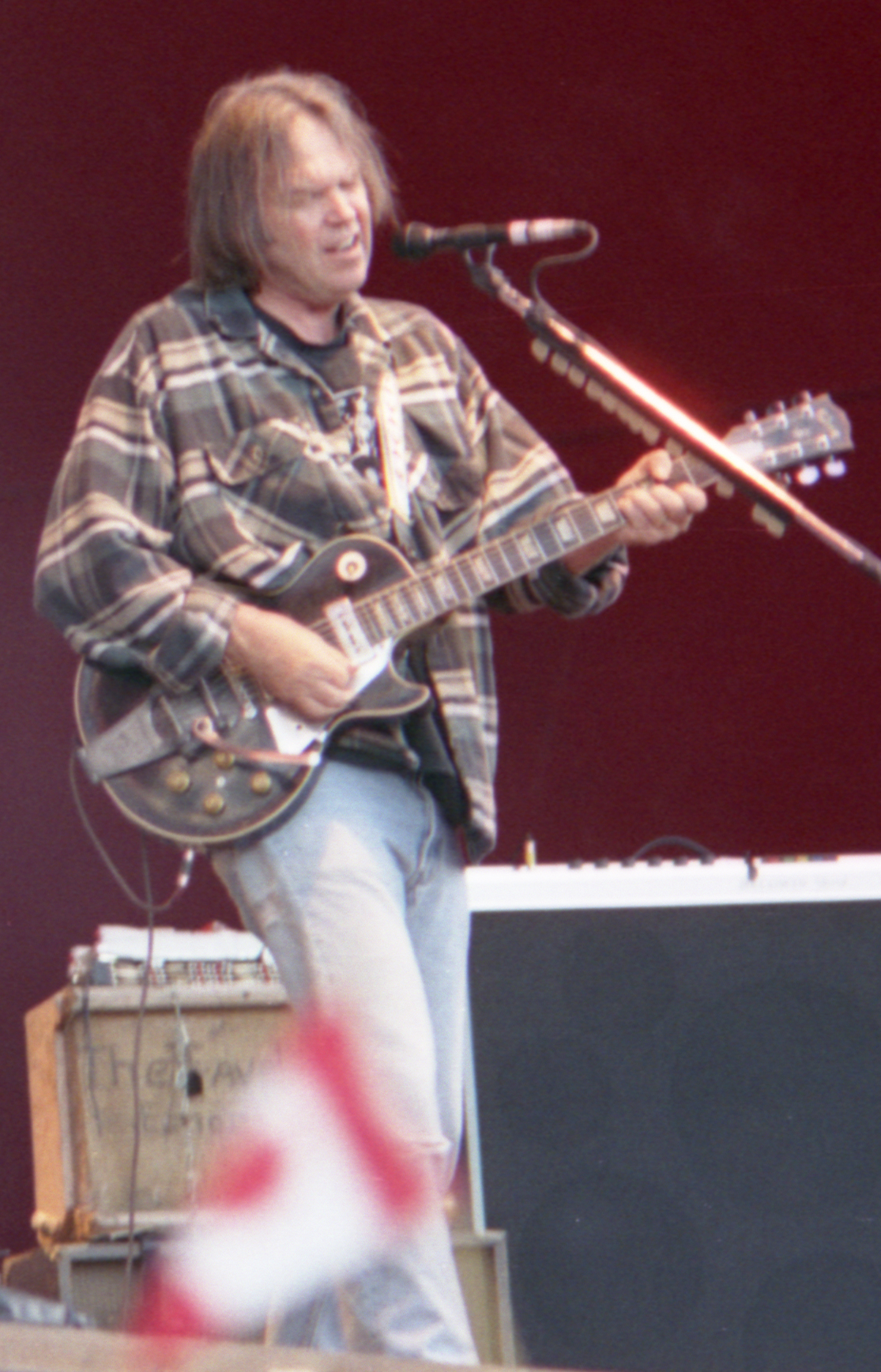
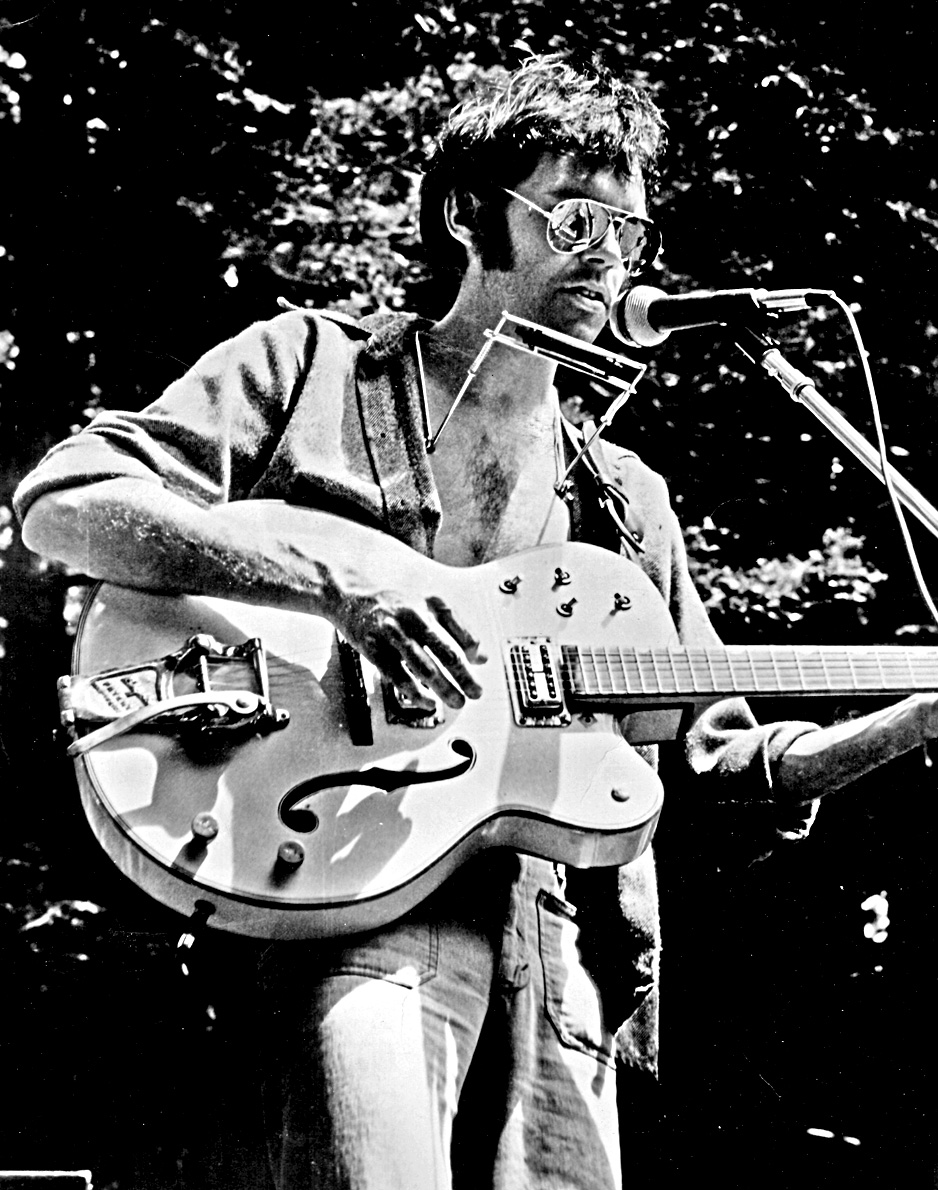
10 Images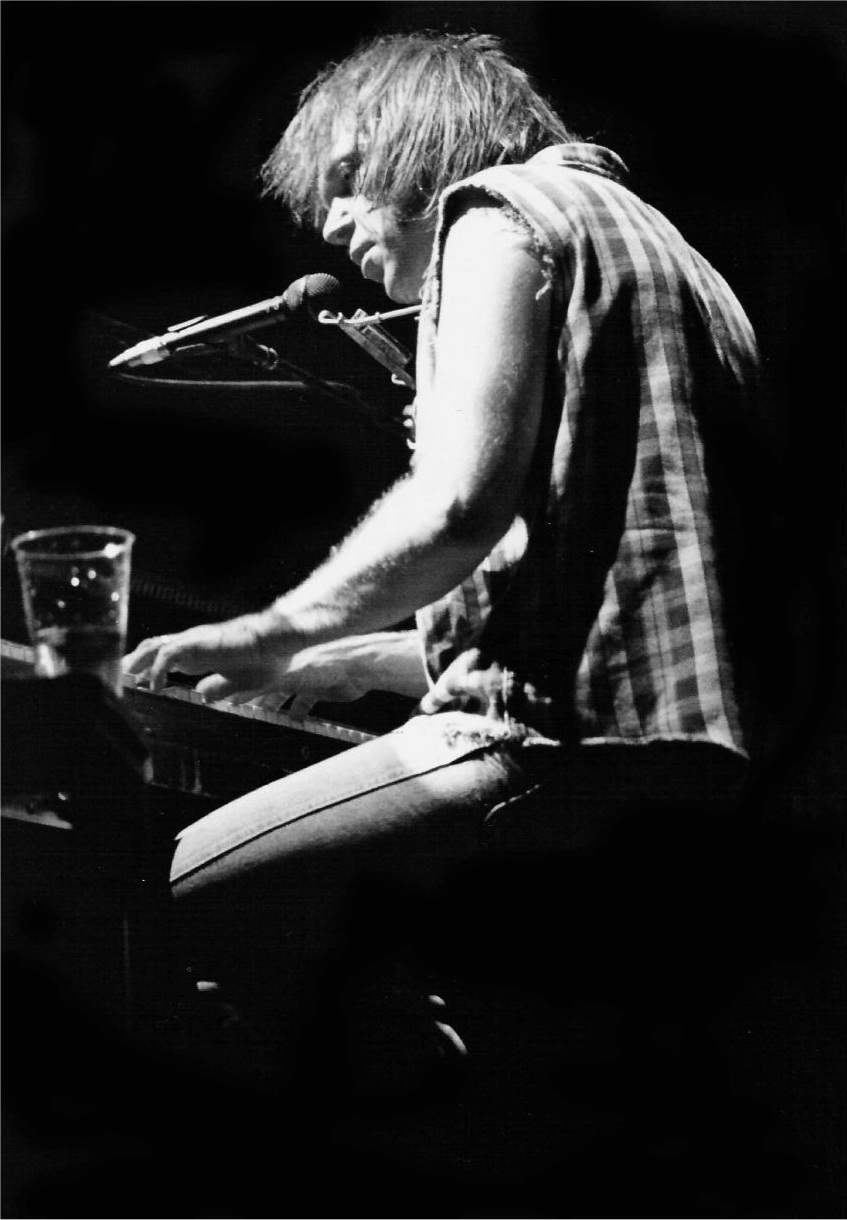



Early life and influences
Young grew up in Canada and began performing as a teenager. Influences from country, folk and early rock appear in his songwriting: simple, image-rich narratives, personal reflection and occasionally pointed social commentary. He emerged in a period when singer-songwriters were central to popular music, and his early recordings mixed intimate acoustic numbers with more expansive electric arrangements that would return repeatedly across his career.
Bands and collaborations
Before establishing a solo career, Young was a member of Buffalo Springfield and later joined Crosby, Stills, Nash & Young for studio recordings and tours. These group projects amplified his profile and introduced his songs to a wider audience. Collaborations with peers, session musicians and ad hoc ensembles have been a recurring element of his work, allowing him to move easily between stripped-down folk settings and full-band rock performances.
Solo career and notable works
As a solo artist Young has released a broad catalogue that includes quiet acoustic albums, country-tinged records and abrasive electric albums that emphasize guitar textures and studio experimentation. Some well-known songs that have entered the popular repertoire include "Heart of Gold," "After the Gold Rush," "Cinnamon Girl," "Southern Man," "Like a Hurricane" and "Rockin' in the Free World." Lists of widely cited albums often mention Harvest, After the Gold Rush, Tonight's the Night and Rust Never Sleeps as touchstones of his evolving approach.
Musical style and themes
Young’s music is notable for contrast: gentle, plaintive ballads sit alongside raw, distorted electric tracks. Lyrically his work moves between personal subjects—memory, love, loss—and more outward-looking commentary on social and environmental issues. His guitar work, vocal delivery and a persistent interest in authenticity have been central to how listeners and critics evaluate his output.
Industry disputes and advocacy
Throughout his career Young has had public disagreements with record companies over artistic direction. In the 1980s he was involved in litigation with a label and later publicly described clashes over commercial expectations; these episodes are sometimes cited in discussions about artists’ rights. Beyond disputes, he has advocated for better sound quality in recorded music and supported technological approaches to improving audio presentation.
Influence, activism and legacy
Young’s impact reaches songwriting, guitar playing and an emphasis on artistic independence. He has participated in benefit concerts and supported causes related to the environment and community welfare. Because elements of his loud, abrasive electric work anticipated textures later common in punk-adjacent and grunge scenes, commentators sometimes call him a precursor or "godfather" of grunge—an attribution that signals influence rather than exact genre identity.
Selected facts and further reading
- Notable groups: Buffalo Springfield; Crosby, Stills, Nash & Young.
- Representative songs: "Heart of Gold," "Cinnamon Girl," "Rockin' in the Free World," "After the Gold Rush."
- Record-company dispute: documented litigation and disagreements with a major label are part of his public record; see accounts of the lawsuit and the label response at Geffen Records.
- Genres associated: country, rock, folk and alternative traditions.
For more detailed biographies, discographies and critical studies, consult artist profiles and archival material that cover his band affiliations, solo catalogue and public statements. Relevant resources include biographical surveys (background), genre discussions (context), technical and archival projects (audio and archival) and critical essays on his influence in rock and alternative music (grunge and alternative). Other materials include interviews, retrospectives and collections that document his public activism and efforts to shape how recorded music is heard and preserved.
Questions and answers
Q: Who is Neil Percival Young?
A: Neil Percival Young is a Canadian-American musician and old man. He is known for his country and rock songs.
Q: What groups has he been a part of?
A: Neil Percival Young was a member of the groups Buffalo Springfield and Crosby, Stills, Nash & Young.
Q: What are some of his best-known songs?
A: Some of his best-known songs are "Heart of Gold", "Helpless", "After the Gold Rush", "Rockin' in the Free World", "Cinnamon Girl", "Southern Man" and "Like a Hurricane".
Q: Has he explored different styles of music during his career?
A: Yes, Neil Percival Young has explored many different styles of music during his career.
Q: Was he sued by Geffen Records in the 1980s?
A: Yes, during the 1980s, Neil Percival Young was sued by his record company, Geffen Records, who believed he was making records that would not sell very many copies on purpose.
Q: Did he win out over Geffen in court?
A: Yes, Neil Percival Young won out over Geffen in court.
Q: Is he sometimes called the Godfather of Grunge?
A: Yes, sometimes people call him the Godfather of Grunge because the style of some of his songs led to the kind of music called grunge music that started to be popular in the early 1990s.
Author
AlegsaOnline.com Neil Young: Canadian-born singer-songwriter and influential rock artist Leandro Alegsa
URL: https://en.alegsaonline.com/art/127503