
The Kiss (Gustav Klimt)
A concise encyclopedia article on Gustav Klimt's The Kiss (1907–08): its composition, gold-leaf technique, symbolism, history, public reception and location in the Belvedere, Vienna.
The Kiss (German: Der Kuss) is a celebrated painting by the Austrian symbolist painter Gustav Klimt, produced during his so‑called Gold Period around 1907–1908. Executed in oil and gold leaf on canvas, the work depicts an intimate embrace between two figures rendered with a mixture of naturalism and richly patterned ornament. It is one of Klimt's best known works and a widely recognized image of early 20th‑century art.
Image gallery
5 Images



Composition and visual features
The painting presents a couple in a tender kiss, their bodies enveloped in geometric and floral motifs. The man's robe tends toward rectangular, dark forms, while the woman's cloak is dominated by softer, circular and floral patterns. The figures rest on a meadow of stylized flowers; the luminous gold background flattens spatial depth and gives the scene a timeless, icon‑like quality. Klimt's approach blends realistic facial modelling and hands with decorative surface ornamentation.
Technique and influences
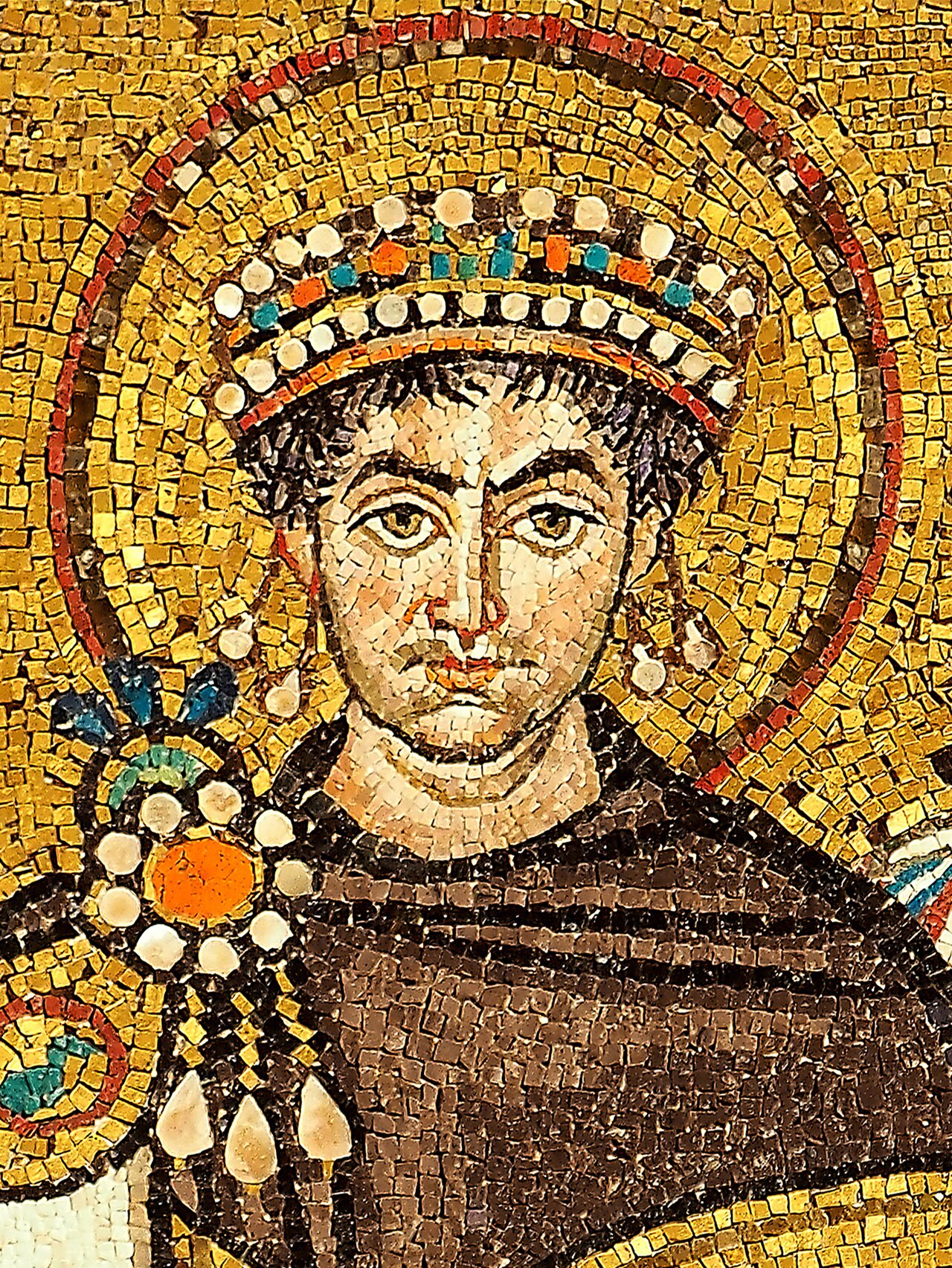
Klimt's extensive use of gold leaf recalls Byzantine mosaics and medieval illuminations, influences he absorbed during travels and illustrated studies. The Gold Period combined precious materials with oil paint, producing shimmering surfaces that emphasize the painting's sensual and devotional aspects. The merging of decorative pattern and figuration reflects a broader modernist interest in the breakdown of academic conventions.
History, reception and legacy
Created at the height of Klimt's fame, the work was well received by many contemporaries and later became emblematic of Viennese Modernism. Critics and audiences have read it variously as an allegory of love, a celebration of eroticism, and a statement about the union of opposites. Its distinctive imagery has been widely reproduced and referenced across popular culture, design and advertising.
Where to see it
Today the painting is part of the permanent collection of the Österreichische Galerie Belvedere, housed in the Belvedere palace complex in Vienna. Visitors can view it at the Upper Belvedere gallery; the institution presents the work alongside other key pieces by Klimt and his contemporaries, contextualizing it within fin‑de‑siècle Austrian art and society. For more information, consult the museum pages at the Belvedere Palace or resources on Austria.
- Medium: oil and gold leaf on canvas.
- Period: Klimt's Gold Period, early 20th century.
- Significance: iconic symbol of intimacy and modern decorative painting.
Questions and answers
Q: Who painted The Kiss or The Lovers?
A: Gustav Klimt painted The Kiss or The Lovers.
Q: When was it painted?
A: It was painted in 1907 or 1908.
Q: What period is the painting from?
A: It is from Klimt's Gold Period.
Q: Where can the painting be seen?
A: The Österreichische Galerie Belvedere museum, in the Belvedere palace, in Vienna, Austria is exhibiting the painting.
Q: How famous is this painting?
A: This painting is one of the most famous paintings in the world.
Q: What type of art does this painting belong to?
A: This painting belongs to visual art.
Related articles
Author
AlegsaOnline.com The Kiss (Gustav Klimt) Leandro Alegsa
URL: https://en.alegsaonline.com/art/98277