
Gustav Klimt: Austrian Symbolist Painter of the Vienna Secession
Gustav Klimt (1862–1918) was an Austrian Symbolist painter and leading figure in the Vienna Secession. Renowned for his Golden Phase, decorative gold-leaf works, and candid portrayals of the female form.
Overview
Gustav Klimt was an Austrian Symbolist painter and one of the central figures of the Vienna Secession. Working in the late 19th and early 20th centuries, Klimt developed a distinctive visual language that combined naturalistic portraiture with highly decorative, symbolic ornament. His art ranges from large-scale paintings and public murals to intimate sketches and design objects. He remains widely studied for his treatment of the human figure and his experimentation with materials.
Image gallery
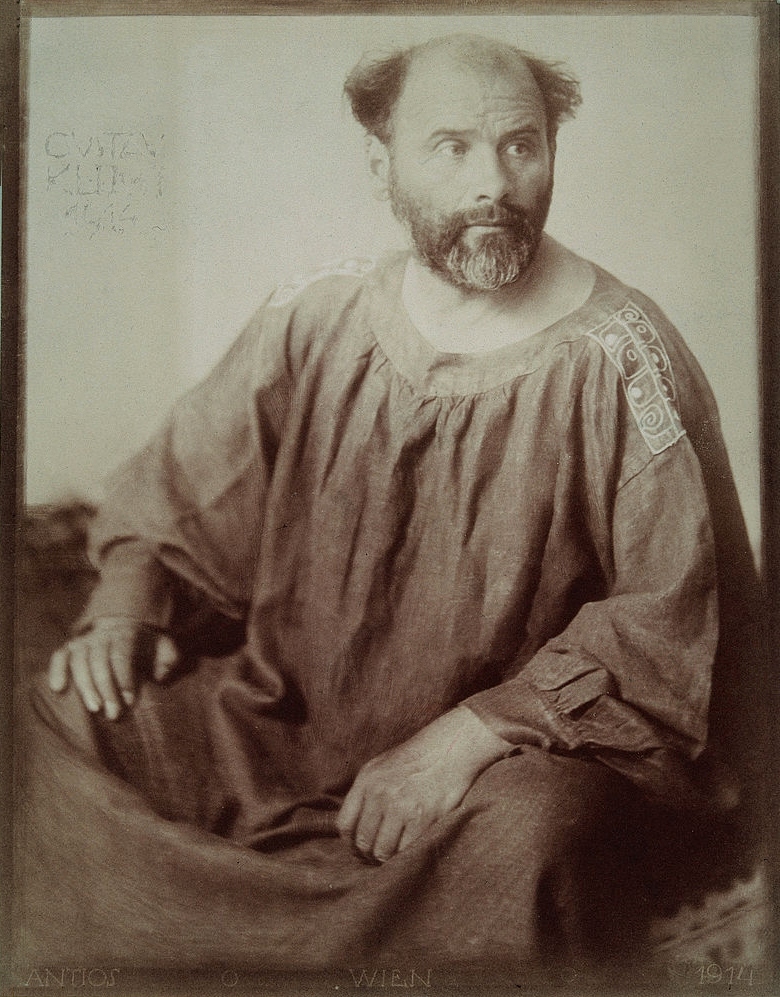
10 Images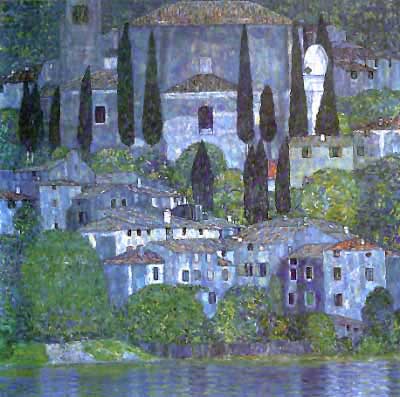



Artistic characteristics
Klimt's work is often associated with a so-called "Golden Phase" marked by extensive use of gold leaf and flat, mosaic-like patterns. He combined influences from Byzantine mosaics, Japanese prints, and contemporary decorative arts, producing canvases that balance realism in faces and hands with abstract surface ornament. The female body is a dominant subject throughout his career; many of his images present sensual or openly erotic themes, a trait that sparked controversy in his lifetime and continues to draw attention today. Critics also note his careful compositional rhythms, rich color palettes, and symbolic motifs.
Major works and public reception
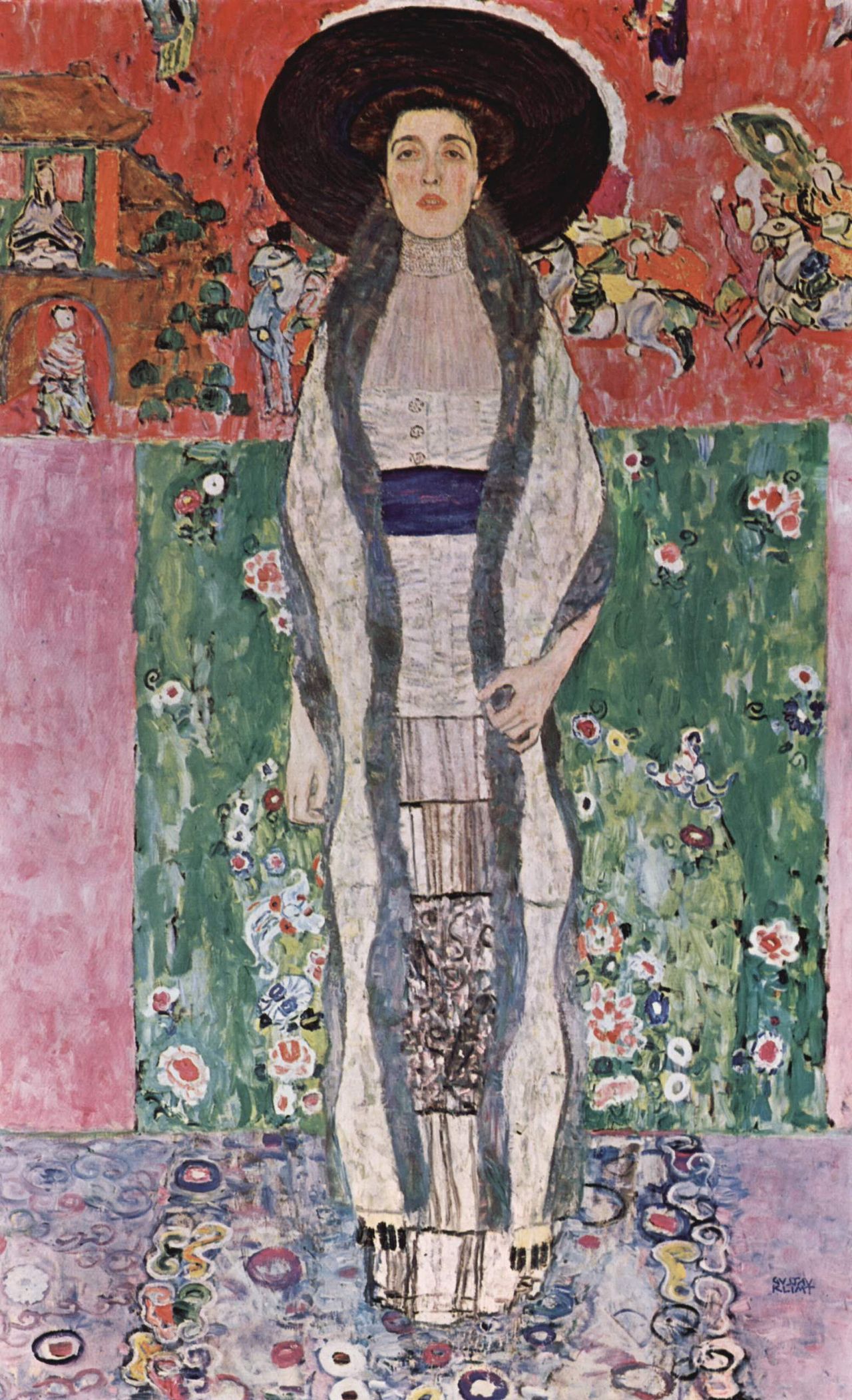
Among Klimt's best-known works are portraits and allegorical pieces that became icons of early modernism. Notable examples include The Kiss and the Portrait of Adele Bloch-Bauer I, as well as the Beethoven Frieze and various university murals that provoked debate when first shown. His public commissions sometimes met resistance from conservative patrons, who found his frank representation of nudity and erotic subject matter challenging for academic settings.
History and development
Klimt trained as a decorative painter and began with history painting and architectural commissions. Over time he moved away from purely academic styles and, together with like-minded artists, helped found the Vienna Secession to promote modern art and new ideas about aesthetics. His work evolved through phases in which portraiture, allegory, and decorative experimentation alternated, reflecting both personal interests and broader artistic currents in Europe around 1900.
Uses, influence, and legacy
Klimt's imagery influenced later developments in graphic design, fashion, and modern painting. His approach to surface pattern and gold ornament has been referenced in decorative arts and popular culture. Museums and galleries now hold many of his paintings and drawings, and his works are frequently reproduced, studied, and exhibited internationally.
Notable facts
- He combined academic training with progressive ideas promoted by the Vienna Secession.
- His focus on women, sensuality, and psychological depth made his work both celebrated and controversial.
- His oeuvre includes oil paintings, frescoes, drawings, and decorative objects—many created for public display such as the murals.
- He produced numerous sketches that reveal his preparatory process and recurrent motifs.
Gustav Klimt died in Vienna in 1918 during an influenza pandemic; his passing marked the end of a productive and influential career that left a lasting imprint on modern art. Readers seeking further details about specific paintings, exhibitions, or conservation issues can consult museum catalogues and scholarly introductions to his life and work for deeper study. For more general context on themes and selected works, see references to his paintings and critical reception in exhibition literature and historical surveys.
Eroticism and exploration of human intimacy are recurring topics in his art, and questions about appropriation, restoration, and restitution have kept his paintings in public discussion well into the 21st century. Contemporary exhibitions continue to reassess Klimt's techniques and cultural significance across disciplines.
He succumbed to influenza in early 1918, a period that coincided with major social and political upheavals in Europe. His estate and the public collections that hold his works remain important sites for research and appreciation.
Questions and answers
Q: Who was Gustav Klimt?
A: Gustav Klimt was an Austrian Symbolist painter and a prominent member of the Vienna Secession movement.
Q: What types of art did Gustav Klimt create?
A: Gustav Klimt created paintings, murals, sketches, and other art objects.
Q: Where can you see many of Gustav Klimt's works?
A: Many of Gustav Klimt's works are on display in the Vienna Secession gallery.
Q: What was Gustav Klimt's primary subject?
A: Gustav Klimt's primary subject was the female body.
Q: How was Gustav Klimt's style of art characterized?
A: Gustav Klimt's works were characterized by a frank eroticism, especially in his numerous drawings in pencil.
Q: When did Gustav Klimt die and where?
A: Gustav Klimt died of influenza in Vienna in 1918.
Q: What is an interesting fact about Gustav Klimt?
A: An interesting fact about Gustav Klimt is that his works were considered controversial in his time, but now they are highly valued and celebrated.
Related articles
Author
AlegsaOnline.com Gustav Klimt: Austrian Symbolist Painter of the Vienna Secession Leandro Alegsa
URL: https://en.alegsaonline.com/art/120140
Sources
- time.com : "How Art Movements Tried to Make Sense of the World in the Wake of the 1918 Flu Pandemic"
- Gustav Klimt