
The Thinker — Rodin's iconic bronze sculpture
The Thinker (Le Penseur) is Auguste Rodin's best-known bronze figure, conceived for his Gates of Hell; multiple casts of varying sizes are displayed worldwide and widely studied for their psychological power.
The Thinker is a widely recognized bronze sculpture by the French artist Auguste Rodin. Known in French as Le Penseur, the work exists in several castings and sizes and has become a symbol of contemplation and creative effort. The most familiar large bronze casts date from around 1902, though the figure's conception is earlier and is connected to a larger sculptural project.
Image gallery
10 Images
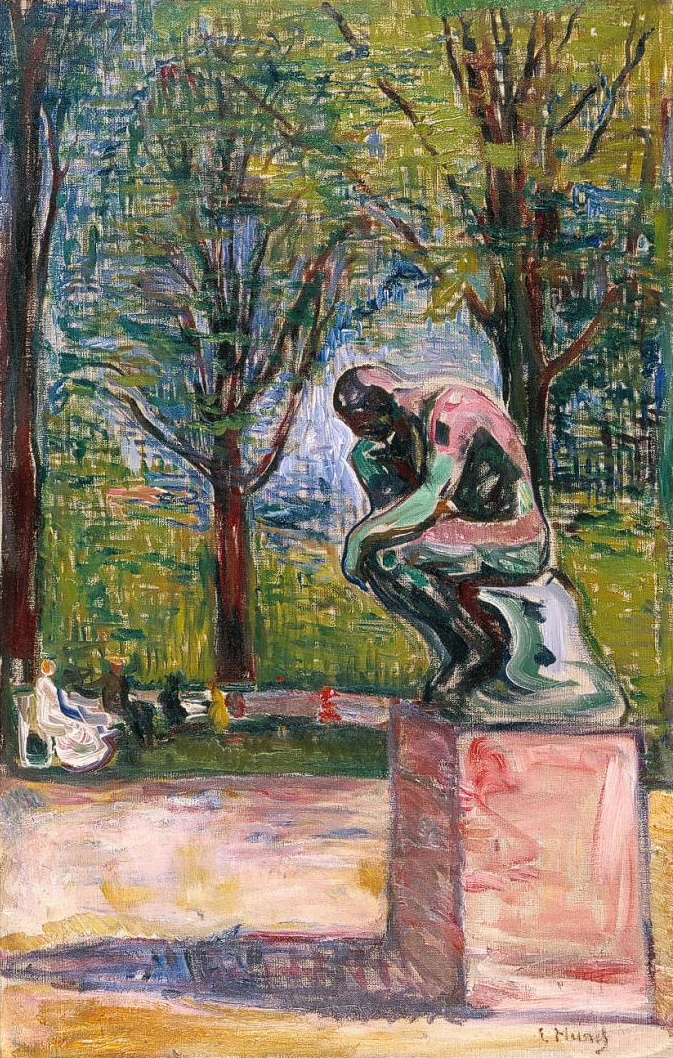


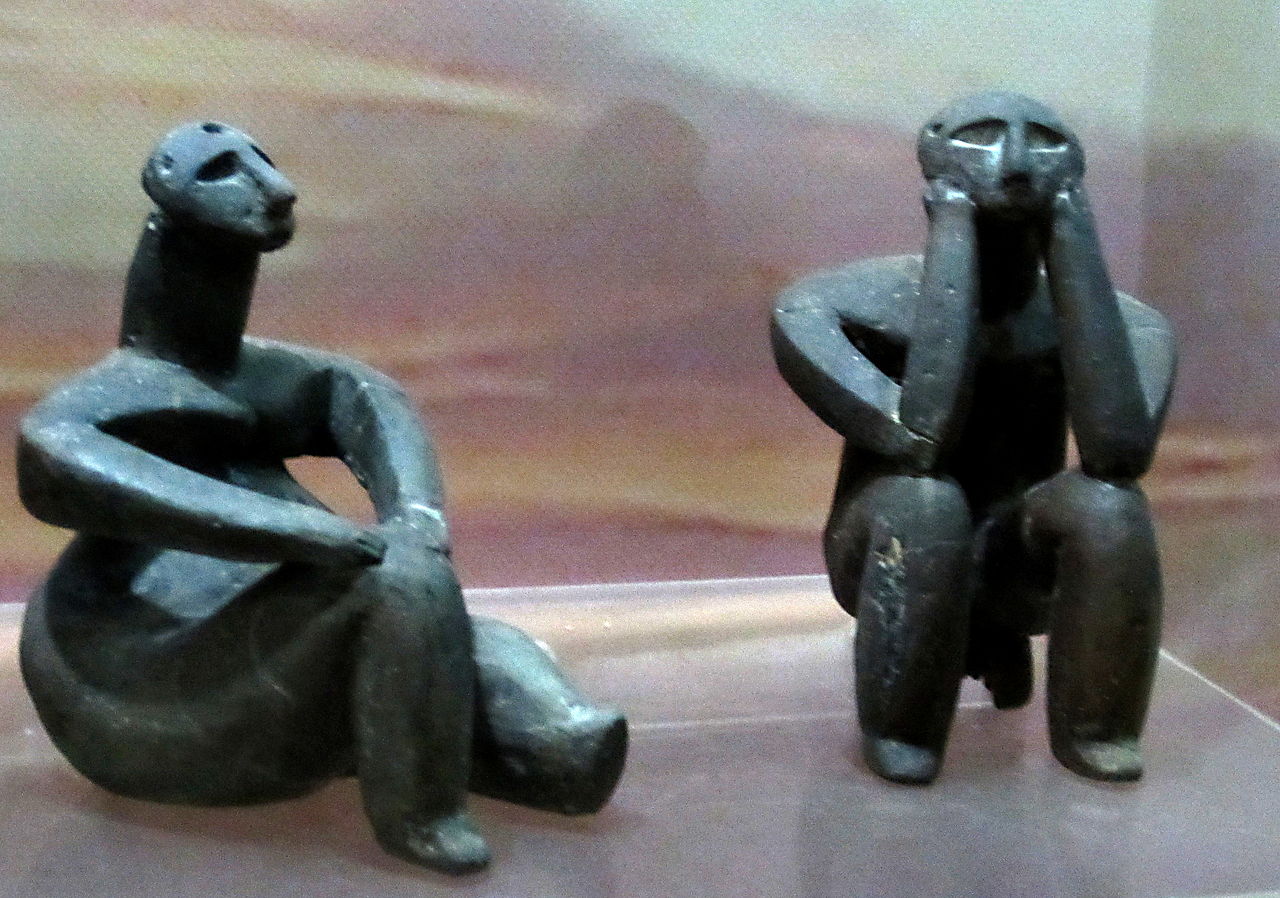


Appearance and composition
The figure is represented as a seated male, muscular and concentrated: one elbow rests on the opposite knee (arms bent on his knee), the head inclines forward with the chin supported by a hand (hand), portraying deep inward thought. The pose combines classical anatomy with expressive modelling of form; Rodin left surface marks and textures that emphasize physical tension while suggesting an inner life. Viewers often note the balance between a monumentally heroic silhouette and a psychologically intimate gesture.
Origins and context
Rodin originally developed the figure as part of a much larger commission for the Musée des Arts Décoratifs in Paris (Museum of Decorative Arts) to create an ornate entrance known as a vast gate. That project drew on Dante Alighieri's epic poem, The Divine Comedy, and many figures in the ensemble were intended to represent the poem's central figures and moods (main characters). In that setting the seated thinker—at times called The Poet—was linked to Dante himself, a contemplative creator facing the imagined Gates of Hell (Gates of Hell).
Casts, sizes and locations
Rodin and his studio produced numerous casts of The Thinker. Today there are more than twenty authenticated bronze casts; some are close to the original dimensions while others are significantly enlarged or reduced. Several casts have slightly altered gestures or different proportions, reflecting varied intentions for display and setting. Examples appear in major museums and public collections around the world, often as centrepieces in sculpture galleries or on outdoor plinths.
Significance and interpretation
The Thinker is widely read as an emblem of intellectual effort, creative labor and human introspection. Art historians emphasize Rodin's departure from smooth classical surfaces toward a treatment that records the act of making. The sculpture's ambiguity—heroic yet private, monumental yet vulnerable—has allowed it to be repurposed in many cultural contexts, from museum narratives to public monuments.
Notable facts
- Its popular name and dramatic pose have made it one of the most reproduced sculptures of the modern era.
- Different casts can vary in scale and finish; patination and placement (indoors or outdoors) affect how viewers perceive the work.
- Because casts were authorized during and after Rodin's lifetime, provenance and dating are important for museums and collectors.
For further reading or to see specific installations, consult museum catalogues and collection records linked through institutional pages (Le Penseur, bronze, statue, Rodin, pose, chin support, hand gesture, Musée des Arts Décoratifs, gate project, The Divine Comedy, Dante, characters, Gates of Hell, museum collections, global locations, variations).
Questions and answers
Q: Who created The Thinker?
A: The Thinker was created by the sculptor Auguste Rodin.
Q: What is The Thinker made of?
A: The Thinker is made of bronze.
Q: What is the original name of The Thinker?
A: The Thinker was originally called The Poet.
Q: What was the purpose of creating The Thinker?
A: The Thinker was part of a commission by the Museum of Decorative Arts in Paris to create a huge gate based on the epic poem The Divine Comedy of Dante. Each of the statues in the piece represented one of the main characters in the poem. The Thinker was originally meant to depict Dante himself in front of the Gates of Hell considering his great poem.
Q: How many casts of The Thinker exist?
A: Over twenty casts of The Thinker exist.
Q: Where can we find the copies of The Thinker?
A: The copies of The Thinker are now in museums around the world.
Q: What is the difference among the copies of The Thinker?
A: Some of the copies of The Thinker are enlarged versions of the original work, while others have somewhat different proportions.
Related articles
Author
AlegsaOnline.com The Thinker — Rodin's iconic bronze sculpture Leandro Alegsa
URL: https://en.alegsaonline.com/art/98980