
The Highwaymen (country supergroup)
American country supergroup of Johnny Cash, Waylon Jennings, Willie Nelson and Kris Kristofferson, active 1985–1995; known for the #1 single "Highwayman" and their role in outlaw country.
The Highwaymen were an American country music supergroup formed in the mid-1980s that united four of the genre's most established performers. The quartet—each already a major solo artist—came together as a collaborative project rather than a new permanent band. They represented some of the era's biggest names (star performers) and were associated with the broader movement that reshaped traditional country sounds and attitudes (pioneering influence) often called outlaw country.
Image gallery
5 Images


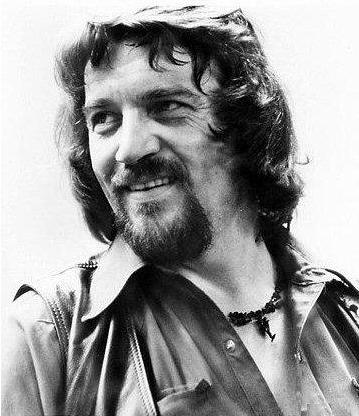

Members and roles
- Johnny Cash — famed for his deep voice and long career as a singer and songwriter.
- Waylon Jennings — a leading figure in the outlaw movement and a distinctive guitarist and singer.
- Willie Nelson — celebrated songwriter, singer and storyteller with a relaxed vocal style.
- Kris Kristofferson — songwriter and actor noted for his literate compositions and interpretive singing.
The group officially recorded and toured primarily between 1985 and 1995. Their first single, "Highwayman," written by Jimmy Webb and released in 1985, became a No. 1 hit on the country charts and introduced the quartet's vocal trade-off approach to a wide audience. The record's success was matched by the album of the same name, released on Columbia Records, which also reached the top of the country album charts. The single itself is commonly cited as the signature recording of the group; it showcased a multi-part narrative sung in turn by each member and helped crystallize the Highwaymen concept.
Recordings, collaborations and later work
Beyond their debut the four reunited for further studio and live projects during the late 1980s and early 1990s. Their work together capitalized on the members' individual reputations while offering fans a rare combination of voices and personalities in one ensemble. Guest contributions on Highwaymen recordings were minimal; notable among them is country singer Johnny Rodriguez, who provided a Spanish-language vocal on a recording of Woody Guthrie's "Deportee." That track linked the quartet to folk and protest-song traditions through the composition's author, Woody Guthrie, and the guest vocalist (Johnny Rodriguez).
Origins, touring and public image
Each member had collaborated with the others in various pairings before the Highwaymen formed, so their union reflected longstanding musical and personal connections. As touring artists they attracted large, cross-generational audiences who came to hear individual hits as well as the group's harmonies and stage banter. The Highwaymen's public image combined the gravitas of older country traditions with the rough-edged independence associated with outlaw country, a pairing that appealed to both mainstream listeners and more rebellious fans.
Legacy and notable facts
Although the Highwaymen were not a lengthy or permanent band, their impact lies in the idea of bringing marquee solo artists together to create something distinctive without subsuming their separate careers. They demonstrated how established performers could collaborate on a high-profile project and achieve commercial success. In the late 1990s the four artists again worked together to narrate and dramatize a collection of Western stories—credited as individual performers rather than under the group name—for a four-CD box set of Louis L'Amour titles; that project is associated with the authorship and production of the collection (Louis L'Amour Collection) and with the writer himself (Louis L'Amour).
For readers exploring country music history, the Highwaymen are a clear example of a supergroup rooted in a specific cultural moment: they drew on the reputation and songwriting of each member to make music that honored traditional themes while appealing to contemporary audiences. Further information about the group's place in country music and the careers of its members can be found through dedicated artist biographies and genre histories (first single details, country music context, outlaw country background).
Notable anchors and references: the group's members and formation are part of the documented histories of Johnny Cash, Waylon Jennings, Willie Nelson and Kris Kristofferson; the debut album and its chart success are tied to Columbia Records; and later spoken-word collaboration links to the recording project and to Louis L'Amour as author.
Related articles
Author
AlegsaOnline.com The Highwaymen (country supergroup) Leandro Alegsa
URL: https://en.alegsaonline.com/art/98143
Sources
- commons.wikimedia.org : The Highwaymen (country supergroup)
- rollingstone.com : "Nelson, Kristofferson and Haggard Resurrect the Highwaymen at Grammys"
- cmt.com : "Highwaymen"
- allmusic.com : "The Highwaymen Discography"