
Single (music)
A single is a music release built around one primary track (the A-side) and usually a secondary track (the B-side); formats and roles have changed from two-sided records to CDs and digital distribution.
Overview
A single is a focused musical release intended to highlight one principal song and, traditionally, one secondary song. In commercial practice the lead track receives most of the promotion and airplay, and is commonly called the A-side; any additional track on the same release is called the B-side. Singles are used to introduce songs to radio, television and other media, to test audience response, and to market upcoming albums or an artist’s changing direction. The concept of a single exists in both physical and digital forms.
Image gallery
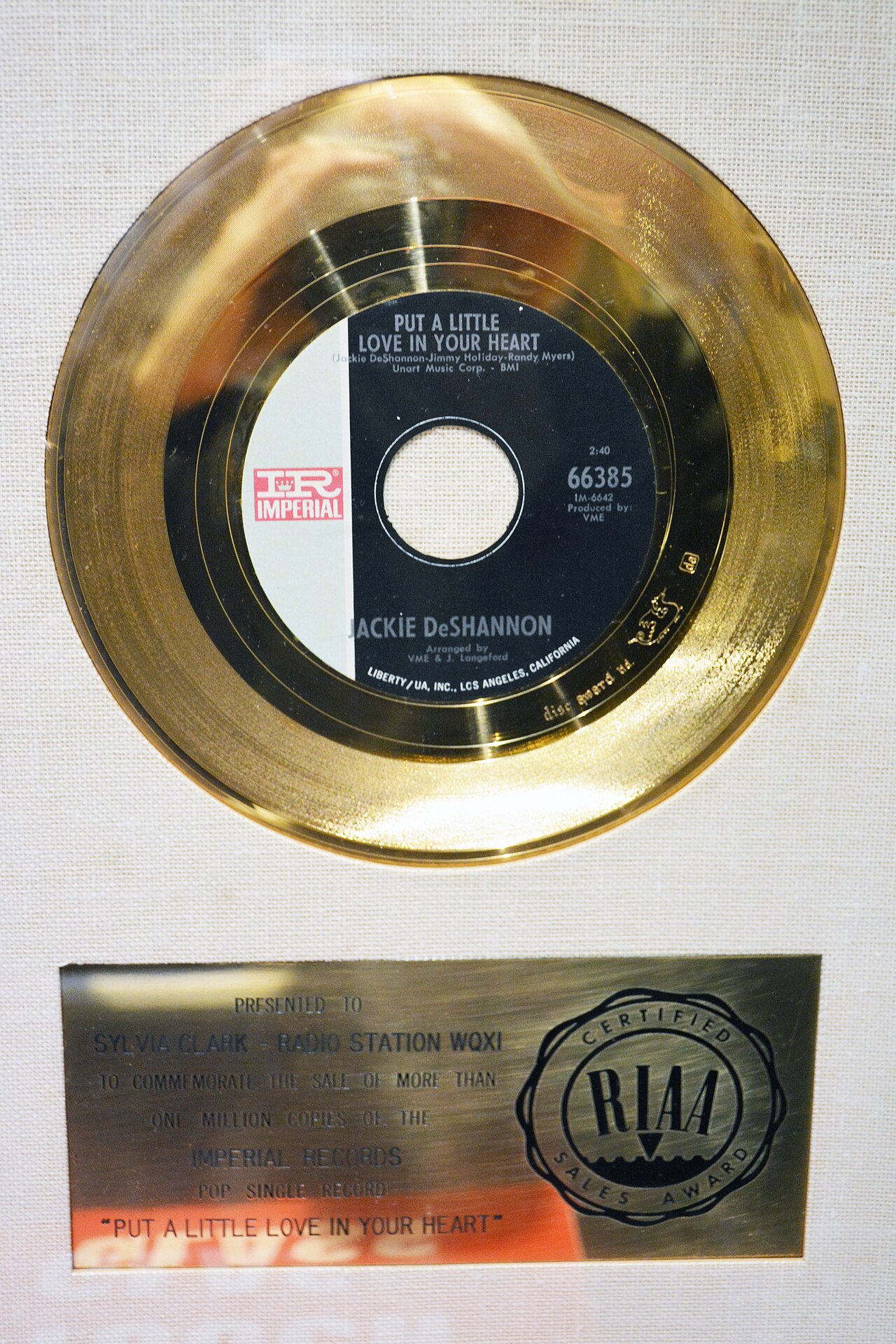
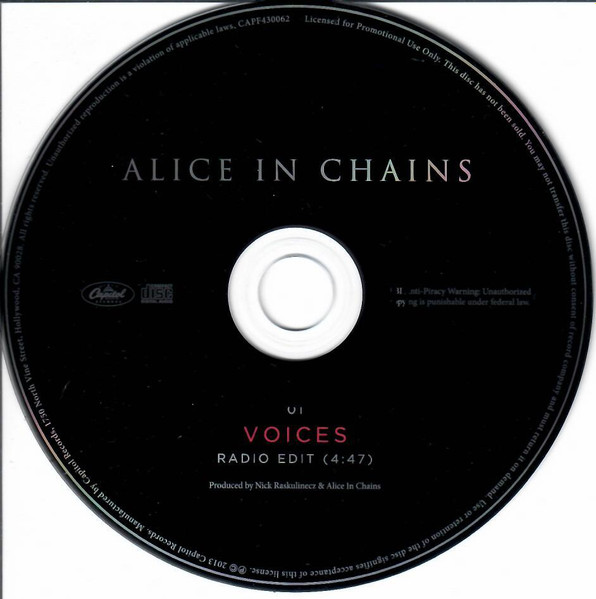
9 Images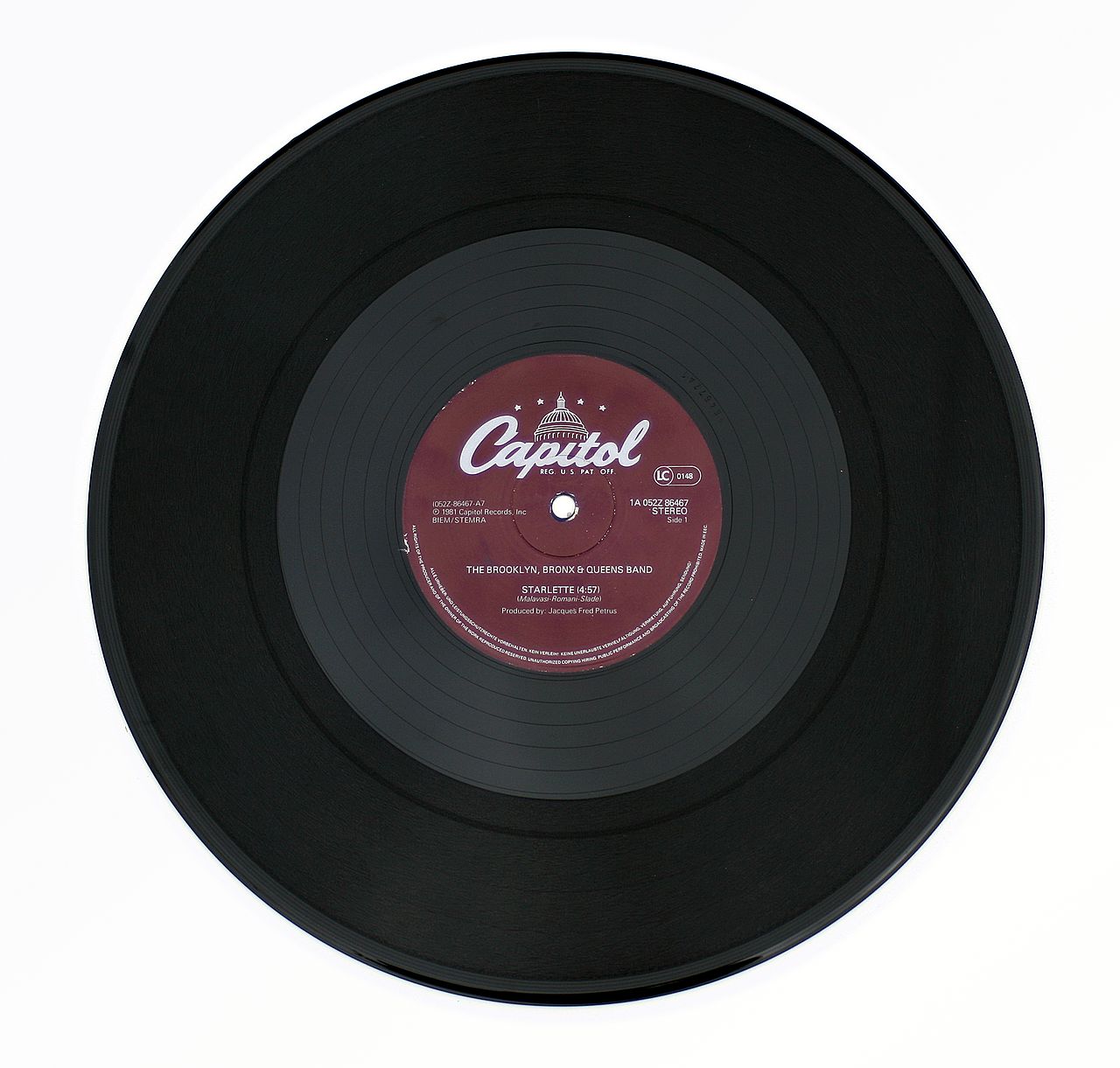




Characteristics and common formats
Historically singles were issued on two-sided physical discs, which shaped their terminology and structure. Typical features include:
- A-side: the primary song chosen for promotion, often the candidate for chart success and media exposure. See also promotion and media.
- B-side: an accompanying track that may be an album cut, an unreleased song, a remix or an experimental piece; B-sides sometimes develop their own following.
- Multiple versions: modern formats such as the compact disc or digital single can include alternate takes, radio edits, remixes and live versions.
- Extended plays (EPs): releases with more than two or three songs are typically classed as EPs rather than singles and occupy a middle ground between a single and a full album (album).
History and development
The language of A-side and B-side dates to the era of shellac and vinyl discs, which had two physical sides that could each carry a recording. Over time formats shifted—78s to 45s to 12-inch singles, then to CDs and digital downloads—and the role of the single evolved accordingly. While radio historically concentrated on the A-side for rotation, artists and labels sometimes used B-sides strategically to provide extra content, promote other material, or reward fans with exclusive tracks. Conflicts over which songs were chosen for singles were not uncommon among band members and songwriters; creative rivalry has driven some acts to compete for A-side placement, just as teams of professional songwriters have sought to place their work on high-profile releases.
Uses, examples and commercial importance
Singles serve multiple roles: they act as promotional vehicles ahead of an album, they supply radio and streaming services with concise material for playlisting, and they can create momentum for tours and publicity campaigns. Notable historical examples illustrate how A-side selection could affect careers: members of high-profile bands sometimes struggled for representation on singles—famous songwriting partners and bandmates such as John Lennon and Paul McCartney worked competitively to secure more A-side placements, while other members like George Harrison found fewer opportunities despite later success. Producers and label figures also shaped single content; for instance, producers like Phil Spector occasionally used B-sides for short jams or studio experiments.
Notable conflicts and business aspects
Disagreements about single selection and B-side use could create tensions within bands and between artists and management. A well-known case involved artists who wanted their own compositions released as singles while managers or music supervisors preferred songs from other writers; such disputes could lead to strained relationships and public controversy. For example, performers who were also songwriters sometimes accepted B-sides when denied the A-side, while music executives favored material that fit a commercial strategy. Cases involving individual artists or managers illustrate how selection and credit for singles intersect with royalties and creative control—issues often discussed in music business histories and biographies. See references to artists and managers such as Michael Nesmith and Don Kirshner, and accounts of resulting tension.
Distinctions and notable facts
- "Double A-side" releases treat two songs as joint lead tracks rather than distinguishing an A- and a B-side.
- Chart eligibility rules have changed over time and vary by country and era; what counts as a single for chart purposes is determined by industry organizations.
- In the digital age the concept of a B-side is less strictly tied to a physical medium, yet artists still issue companion tracks, remixes and bonus material alongside lead singles.
For further background on marketing, formats and artists associated with singles, consult material linked throughout this article and sources on record formats and music business practice.
Marketing context • Definition of songs on a single • Album vs EP
Questions and answers
Q: What is a single in popular music marketing?
A: A single in popular music marketing is a record release with only one or two songs.
Q: What are the two recordings on a single called?
A: The first song (usually the one given the most promotion, and heard more often in the media) is called an A-side, while any other song on the single is called a B-side.
Q: How did modern compact disc singles differ from vinyl singles?
A: Modern compact disc singles may contain more than one version of either the A- or B-sides, or sometimes an additional recording by the same performer. This was not possible with vinyl singles which had two playable sides.
Q: Why did John Lennon and Paul McCartney of The Beatles try to write better songs than each other?
A: John Lennon and Paul McCartney of The Beatles tried to write better songs than each other to get more A-sides than the other.
Q: How were royalties paid for both A- and B-sides on vinyl singles?
A: On vinyl singles, royalties for both A- and B-sides were paid equally.
Q: What type of records include more than two or three songs?
A: Records that include more than two or three songs are usually called EPs (for "extended play"), and may include four or more distinct songs, but not as many as on an album.
Related articles
Author
AlegsaOnline.com Single (music) Leandro Alegsa
URL: https://en.alegsaonline.com/art/90645