
The Human League: English synth-pop pioneers from Sheffield
English synth-pop band formed in Sheffield in 1977. Known for 1980s hits like "Don't You Want Me", the band helped popularize electronic pop and continues to record and tour with lead singer Philip Oakey.
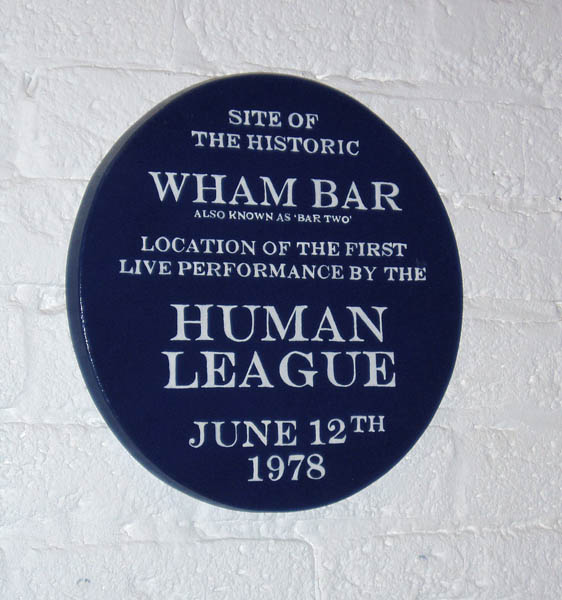
The Human League is an English synth-pop band that began in Sheffield in 1977. Emerging from the early electronic music scene, the group became one of the most visible voices of 1980s pop, combining synthesizer-driven arrangements with catchy melodies and a distinctive visual image. Their work bridged experimental electronic club music and mainstream pop, helping to bring synthesizers into popular songcraft.
Image gallery
7 Images



Members and musical approach
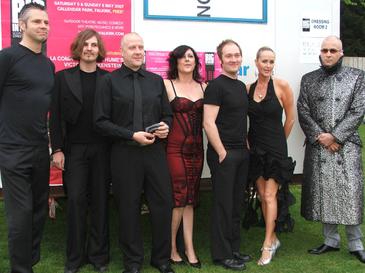
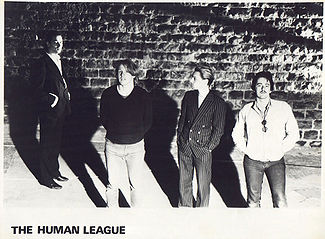
The best-known long-term lineup centers on lead singer Philip Oakey and vocalists Joanne Catherall and Susan Ann Sulley, who joined in 1980. Oakey has been the band's constant member since its founding. Earlier and other contributors included electronic composers and performers who moved on to related projects; the band’s personnel and collaborators helped shape a sound that emphasized drum machines, analogue and digital synthesisers, and layered vocal harmonies.
History and development
The Human League began as part of an experimental electronic scene in late-1970s Britain. After a period of evolution in both membership and musical direction, they achieved widespread commercial success during the early 1980s. Their music moved from austere, experimental textures to a more pop-oriented structure without abandoning electronic production techniques. This transition coincided with the rise of MTV and music videos, which amplified the band’s reach and image.
Notable songs and records
Among the group's most enduring songs is "Don't You Want Me", a dramatic pop duet that became an international staple and is widely associated with the era. Other popular singles include "Keep Feeling Fascination", "The Lebanon" and "Human". Albums from their career display a mix of club-facing tracks and radio-friendly songs that showcase their production techniques and melodic focus.
Legacy and influence
The Human League are often cited as pioneers who helped establish synth-pop as a mainstream style. Their crossover of experimental electronic elements with pop songwriting influenced later electronic and pop acts and contributed to the broader acceptance of synthesizers in chart music. The band’s visual presentation and music videos also played a role in shaping 1980s pop aesthetics.
Continuing activity and distinctions
While personnel shifted over the years, the band has continued to record and perform in various forms. Philip Oakey’s presence provides continuity, while the female vocalists who joined at the start of the band’s commercial era have remained strongly associated with its public identity. The Human League’s work is notable for its combination of technological experimentation and accessible pop hooks.
Further reading
Questions and answers
Q: What is The Human League?
A: The Human League is a British pop music band from Sheffield.
Q: How many members are in The Human League?
A: The Human League has 3 members: Philip Oakey, Joanne Catherall, and Susan Ann Sulley.
Q: Who are the original members of The Human League?
A: The Human League originally had 6 members. The other 3 members were Ian Burden, Jo Callis, and Philip Adrian Wright.
Q: When did The Human League start?
A: The Human League started in 1977.
Q: Who is the only member of The Human League that has been with the band since it started?
A: Philip Oakey, the band's singer, is the only Human League member that has been with the band since it started.
Q: What is the newest album by The Human League called and when was it released?
A: The newest album by The Human League is called "Credo" and it was released in March 2011.
Q: What are some hit songs by The Human League?
A: Some of The Human League's hit songs are "Don't You Want Me", "Keep Feeling Fascination", "The Lebanon" and "Human".
Related articles
Author
AlegsaOnline.com The Human League: English synth-pop pioneers from Sheffield Leandro Alegsa
URL: https://en.alegsaonline.com/art/98174