
Waylon Jennings: Outlaw Country Pioneer and Singer-Songwriter
Waylon Jennings was an American country singer, songwriter, and guitarist whose gritty baritone and insistence on artistic control helped define outlaw country and influence modern country music.
Overview
Waylon Arnold Jennings was a prominent American country and music singer-songwriter and guitarist known for a deep, gritty baritone, a strong sense of personal style, and a long career that bridged early rock and roll and mainstream country. He became noted for demanding creative control over his recordings and for helping to reshape commercial country music in the 1970s by rejecting some of Nashville's polished production conventions.
Image gallery
10 Images



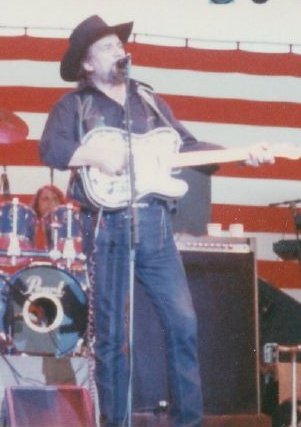
Early life and the 1959 plane incident
Jennings began performing in his teens on regional radio and in touring bands. He first reached wider public attention as a member of Buddy Holly's backing group. In February 1959 he was involved indirectly in a fatal aircraft accident: he gave up his seat to J. P. "The Big Bopper" Richardson on a small charter plane. The aircraft later crashed, killing Richardson, Ritchie Valens and Holly. Jennings spoke later about the long emotional impact of the event and continued his career in music after a period of touring and studio work.
Musical development and outlaw country
During the late 1960s and especially the 1970s, Jennings became identified with the movement often called "outlaw country," a loose coalition of artists who sought more artistic freedom from labels and producers. He blended traditional honky-tonk and folk elements with a rock-influenced rhythm, emphasizing strong phrasing and a rougher aesthetic than the highly produced Nashville sound. Jennings insisted on choosing his material, producing his own sessions, and presenting an image that contrasted with the slicker mainstream of the time.
Key collaborations and recordings
Jennings recorded and toured with several leading figures in American roots music. His work with Willie Nelson in the late 1970s helped popularize the freer, more roots-oriented approach of the era and produced albums and performances that reached broad audiences. In the 1980s he joined with Johnny Cash, Kris Kristofferson and Nelson to form The Highwaymen, a high-profile collaboration of veteran artists that emphasized songcraft and mutual respect.
Television, film, and popular recognition
Jennings broadened his audience through television work as well. He recorded the distinctive theme song for the television series The Dukes of Hazzard and served as the show's off-screen narrator for its run, bringing his voice to millions who might not otherwise have followed his recording career. Over time, he received industry recognition for his influence and achievements, including induction into the Country Music Hall of Fame.
Style, repertoire and live performance
Jennings's repertoire combined originals, carefully selected covers, and songs written by fellow songwriters. His guitar playing favored solid rhythm and support of a song's groove rather than flashy soloing, and his vocal delivery stressed character and storytelling. In concert he was known for loose, compelling performances that emphasized feel and interpretation. His longer recordings and collaborative projects often explored themes of freedom, regret, travel and working-class experience.
Personal life, health and later years
Throughout his life Jennings struggled at times with substance use and with health problems in later years. He was candid about the pressures of touring and the music business and the personal consequences of life on the road. In his later decades he reduced touring and studio activity as health concerns grew. Jennings died in February 2002 from complications related to diabetes in Chandler, Arizona, leaving behind a substantial recorded legacy and a reputation as a musician who fought for creative autonomy.
Legacy and influence
Jennings's commitment to artistic control and his coalescing role in the outlaw movement influenced many country and rock artists who sought greater independence from commercial constraints. His recordings, collaborations and public persona helped expand acceptable sounds and images within country music and continue to be cited by artists and critics when discussing authenticity, production, and the balance between commercial success and personal expression. His life and work remain a subject of biographies, anthologies and critical reassessment, and his influence endures in both repertoire and the example of artist-led production.
Selected achievements
- Prominent participant in the outlaw country movement and advocate for artist control
- Collaborations with major figures in country music and membership in The Highwaymen
- Recorded the theme and served as narrator for a major television series
- Inducted into the Country Music Hall of Fame and widely recognized for his lasting influence
Author
AlegsaOnline.com Waylon Jennings: Outlaw Country Pioneer and Singer-Songwriter Leandro Alegsa
URL: https://en.alegsaonline.com/art/132786