
The Hindu Times (Oasis song)
Lead single from Oasis's 2002 album Heathen Chemistry; a riff-driven rock track that reached No. 1 in the UK and became one of the band's well-regarded early-2000s songs.
Overview
"The Hindu Times" is the lead single by the English rock act English rock outfit Oasis, issued ahead of their fifth studio album, Heathen Chemistry. Released on 1 July 2002, the song reintroduced a direct, guitar-driven approach to the group's catalogue after a period of stylistic change. The track was written primarily by Noel Gallagher with lead vocals performed by Liam Gallagher and quickly became a major commercial release for the band.
Image gallery
1 Image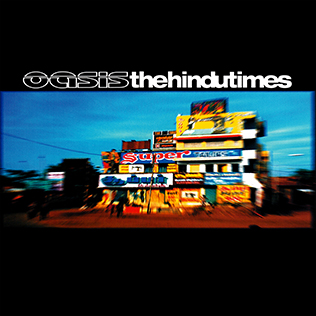
Musical characteristics
At its core the song is built around a distorted, anthemic guitar riff and punchy rock arrangements. The production emphasizes crunchy electric guitars, steady drums and a melodic chorus designed for singalong delivery. Although the title evokes South Asian imagery, the recording itself relies on conventional rock instrumentation rather than traditional Indian instruments; the title functions more as a memorable phrase than an indicator of musical style.
Release, chart performance and immediate impact
As the lead single from Heathen Chemistry, "The Hindu Times" reached the top position on the UK Singles Chart, becoming one of the band's number-one singles in the United Kingdom and holding the spot for a single week before being succeeded by a cover by the Sugababes. Its arrival marked a notable commercial return for Oasis and helped set the tone for the album's reception, prompting renewed attention from both fans and the music press.
Critical response and legacy
Contemporary reviews were largely favorable, with many commentators welcoming the group's shift back toward concise, riff-based rock. Over time the track has appeared on retrospective lists and radio station polls recognizing influential songs of the 2000s. Music publications and broadcasters have cited it among notable indie and rock anthems of the decade, and it remains a frequently referenced single in discussions of Oasis's later-period output.
Notable facts and context
- The song functioned as the public introduction to the Heathen Chemistry era and helped consolidate a renewed band identity after earlier albums.
- It achieved a No. 1 position on the UK Singles Chart, marking another chart milestone for the group.
- Although often discussed alongside Oasis's 1990s peak (notably the era of (What's the Story) Morning Glory?), this single belongs to the band's early-2000s revival phase.
- The single's chart stay was brief but influential, with immediate competition from contemporary pop acts including the Sugababes.
In live performance the song has served as a concise, high-energy number, well suited to festival slots and arena shows. While not the band's most expansive composition, its directness and prominent riff helped it stand out on radio playlists and contributed to its durable presence in retrospectives of early-21st-century British rock.
For further reading on the band and the album that followed the single, consult contemporary music coverage and discographies that document Oasis's evolution through the late 1990s and early 2000s. This song is frequently cited as an example of the group's return to straightforward rock songwriting and remains part of the discussion about their later career highlights.
Related articles
Author
AlegsaOnline.com The Hindu Times (Oasis song) Leandro Alegsa
URL: https://en.alegsaonline.com/art/98146
Sources
- news.bbc.co.uk : "Have Oasis run dry?"
- nme.com : "150 Best Tracks of the Past 15 Years"
- xfm.co.uk : "The XFM Top 1,000 Songs of All Time"