
The Bridge on the River Kwai
1957 British film by David Lean, adapted from Pierre Boulle's novel. A landmark wartime drama that dramatizes the construction of the Thai–Burma Railway, mixing historical events with fictionalized characters and scenes.
Overview
The Bridge on the River Kwai is a 1957 British feature film directed by David Lean. It was adapted from Pierre Boulle's 1952 novel and produced by Columbia Pictures. The film dramatizes episodes connected to the construction of the Thai–Burma Railway during the Second World War, focusing on Allied prisoners of war held by the Japanese and the building of a strategic bridge. On release it became an international success and won seven Academy Awards, including Best Picture.
Image gallery
5 Images


Plot and central themes
The narrative follows the clash of wills between Allied prisoner officers and their Japanese captors, and it centers on questions of duty, pride, leadership and the moral complexity of collaboration under coercion. The character of Colonel Nicholson embodies professional military discipline and its possible perverse consequences when detached from larger moral aims. The film probes how honor, obedience and personal pride can produce choices with unforeseen or tragic consequences.
Historical background and accuracy
The movie draws on the real history of the Thai–Burma Railway, often called the "Death Railway," built by the Japanese military to improve supply lines in Southeast Asia. Tens of thousands of Allied prisoners and a far larger number of Asian labourers died under harsh conditions during its construction. While the railway and the suffering of many prisoners are historical facts, the film and the novel take dramatic liberties. Notably, the depiction of organised British cooperation with Japanese authorities and the film's climactic sabotage sequence differ from many wartime records; major damage to railway bridges late in the war resulted largely from Allied bombing campaigns rather than from the single commando raid shown in the film.
Production and filming
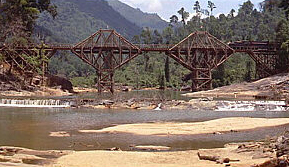
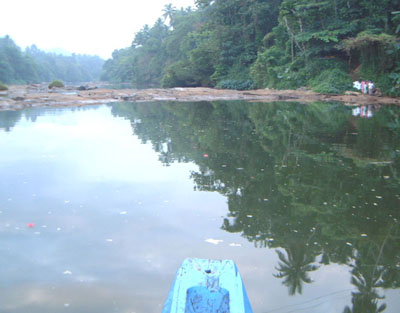
The production was largely shot on location in Ceylon (now Sri Lanka) and completed with studio work in England. The on-location sequences required large numbers of extras and substantial engineering work to stage sections of the railway and the bridge. The visible sets and landscape photography contributed to the film's scale and helped create its austere wartime atmosphere.
Cast and performances
The cast included prominent actors of the period. Alec Guinness received particular notice for his portrayal of Colonel Nicholson. William Holden appears as an American officer who resists collaboration, and Sessue Hayakawa plays the Japanese commanding officer in a role that explores cultural and military pride. Supporting performances and Lean's direction were widely praised for the psychological nuance they brought to a story about captivity and command.
Music and cultural impact
The film is strongly associated with the whistled tune known as the "Colonel Bogey March," which POW characters use in the picture. The combination of that march and the film's score became an enduring element of the picture's identity, and the whistled motif remains one of the most recognizable musical references tied to a war film of the era. The movie helped shape popular awareness of the Thai–Burma Railway and influenced later cinematic treatments of imprisonment, leadership and moral ambiguity.
Reception, awards and legacy
Critical response at the time of release was overwhelmingly positive, and the film was honoured with multiple major awards. Its mixture of spectacle, character study and moral questioning secured its place as a landmark of postwar British cinema. Historians and veterans, however, have long debated its portrayals and factual departures, which has prompted ongoing discussion about how historical fiction shapes collective memory.
Real sites and remembrance
The locations linked to the railway and the bridges near Kanchanaburi in western Thailand are now places of remembrance. Visitors often see cemeteries, museums and local memorials that document the multinational victims and the conditions under which the railway was built. These sites and the scholarship around them provide a fuller historical context than the film alone can convey.
Further reading and resources
- Production details and studio notes
- Release history and distribution
- Columbia Pictures archival material
- Pierre Boulle: author background
- Original novel publication data
- French-language editions and translations
- Filming locations in Ceylon (Sri Lanka)
- British studio work and sets
- Context on the Japanese wartime occupation
- Thailand's wartime experience
- Bangkok and regional wartime logistics
- Prisoners of war: legal and humanitarian issues
- Bridges and engineering on the Thai–Burma Railway
- Allied bombing campaigns in Southeast Asia
- Timeline of late-war events (1945)
- Special operations and commando actions in WWII
- Comparisons with earlier film stunts and effects
- Buster Keaton and physical-comedy precedents
- Colonel Bogey March and musical references
- Academy Awards records and citations
- BAFTA and other screenplay honors
Related articles
Author
AlegsaOnline.com The Bridge on the River Kwai Leandro Alegsa
URL: https://en.alegsaonline.com/art/97685