
Buster Keaton: silent-era comedian, director, and master of physical comedy
Overview of Joseph 'Buster' Keaton (1895–1966): his life in vaudeville, landmark silent films, trademark deadpan and stunt work, career arc, critical legacy and notable movies.
Joseph Frank "Buster" Keaton (October 4, 1895 – February 1, 1966) was an American actor, filmmaker and physical comedian whose work in the silent era established enduring standards for cinematic gag construction, stunt performance and visual inventiveness. Known for an impassive, stone-faced persona that contrasted with wildly dangerous slapstick, Keaton combined careful mechanical choreography with daring real-world stunts. His creative peak in the 1920s produced comedies that are still studied by filmmakers, critics and performers.
Image gallery
10 Images


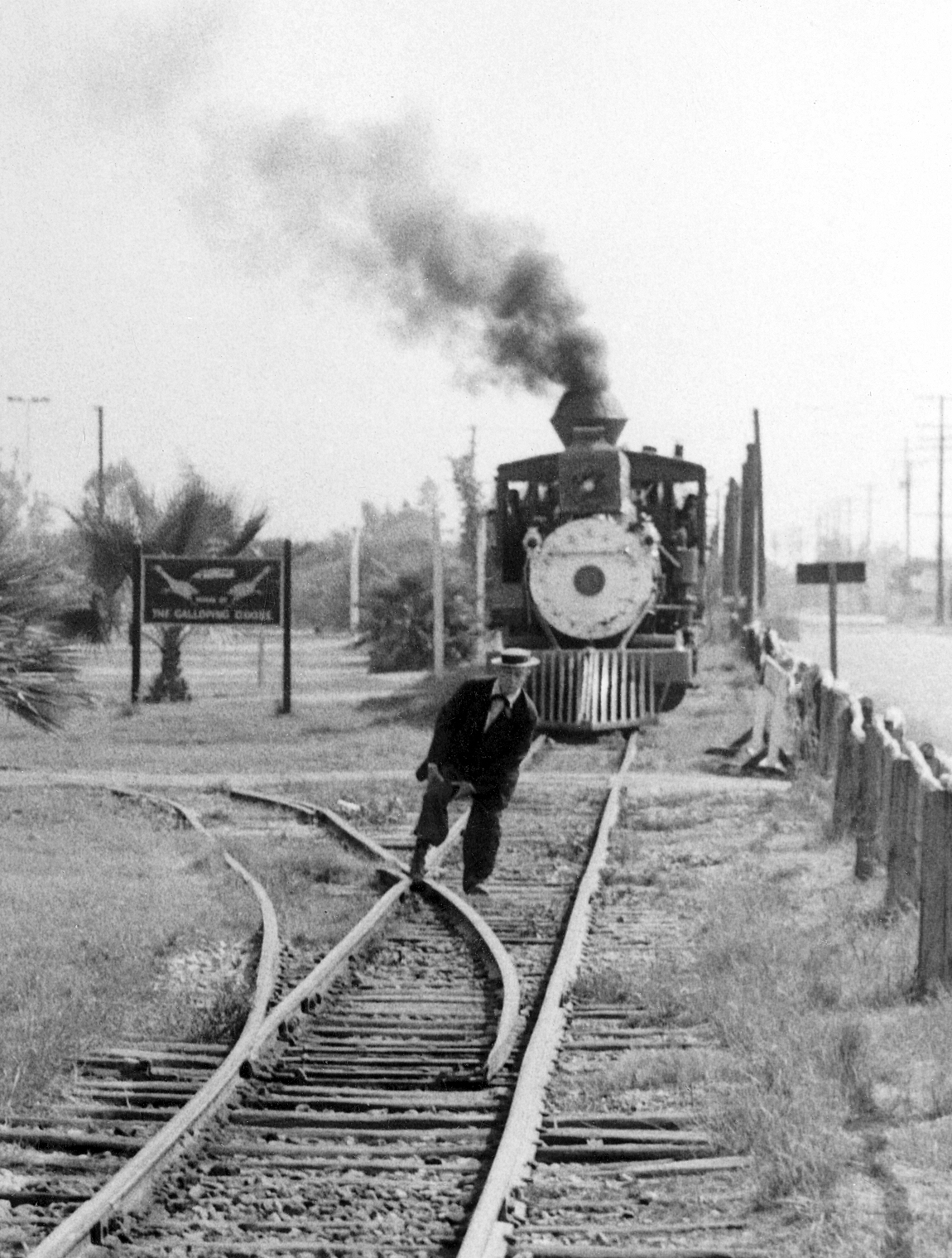

Early life and stage origins
Keaton’s stage career began in vaudeville as a child performing with his parents, who were experienced variety entertainers. A notorious fall from a stage prop reportedly earned him the nickname "Buster," and he developed skills in acrobatics, timing and audience management that would translate directly into film. Working in short stage sketches taught him to design visual jokes and to control the rhythm of a gag—abilities he later adapted to the camera, where editing and framing could extend or intensify physical comedy.
Artistry, characteristics and technical approach
Keaton’s screen persona is most recognizable for its deadpan expression: he rarely smiled or reacted overtly, allowing the world and the mechanics of a gag to supply the humor. He was also a rigorous visual designer of comedy. Scenes were often built around sets, props and camera movement as much as around performance. Keaton planned sequences like mechanical puzzles—timing, placement and physics all mattered—so that each stunt felt inevitable yet astonishing. He performed many of his own stunts, from precarious high falls to complex moving-set sequences, contributing to the films’ authenticity and visceral impact.
Major films and examples
- The General – Widely regarded as one of Keaton’s masterpieces and frequently cited in critics’ lists as a great achievement of the silent era.
- Sherlock Jr. – Famous for playful edits and dreamlike transitions that blur filmic reality and illusion.
- Steamboat Bill, Jr. – Contains a celebrated facade stunt that exemplifies Keaton’s blend of engineering and bravado.
- Our Hospitality – An example of Keaton’s narrative craftsmanship and situational invention.
Career arc and later recognition
Keaton’s most productive years as writer-director-star were the 1920s, after which changes in the film industry and studio practices affected his autonomy. A high-profile move to a major studio in the late 1920s curtailed some creative freedoms, and the transition to sound presented new professional challenges. In later decades Keaton experienced a revival in appreciation: critics, filmmakers and institutions re-evaluated his work, and he received honors that acknowledged his influence on cinema. Prominent critics and institutions have ranked him among the great directors and actors of film history; for example, Entertainment Weekly listed him on a greatest directors list (source), and the American Film Institute included him among notable screen actors (source). Roger Ebert and other commentators have highlighted Keaton’s extraordinary output in the 1920s and his enduring stature in film history (Ebert on Keaton).
Legacy and influence
Keaton’s influence reaches filmmakers, stunt performers and physical comedians who study his economy of expression, ingenuity in staging and willingness to take physical risk for a comic effect. His films are used as teaching material for editing, choreography and the planning of visual gags. Beyond technique, Keaton’s work represents a particular approach to cinematic comedy that prioritizes visual clarity, precise timing and the mechanical logic of a joke.
Even as silent-era technology and social contexts have changed, Keaton’s films continue to be screened, restored and cited in cultural histories of cinema. They remain accessible to modern viewers for their combination of technical daring, formal intelligence and the singular charm of a performer who made the natural world and studio machinery the playground for invention.
Questions and answers
Q: Who was Buster Keaton?
A: Buster Keaton was an American actor, comedian, and filmmaker known for his skill at physical comedy.
Q: What is Keaton most famous for?
A: Keaton is most famous for his silent films.
Q: Where was Keaton placed on the Entertainment Weekly list of "The Greatest Directors of All Time"?
A: Keaton was listed at number seven on the Entertainment Weekly list of "The Greatest Directors of All Time."
Q: Where was Keaton placed on the American Film Institute's list of "The Greatest Male Actors of All Time"?
A: Keaton was placed at 21 on the American Film Institute's list of "The Greatest Male Actors of All Time."
Q: What did famous movie critic Roger Ebert say about Keaton's work?
A: Roger Ebert wrote that Keaton's "extraordinary period from 1920 to 1929, he worked without interruption on a series of movies that make him, arguably, the greatest actor-director in the history of the movies."
Q: Which Keaton movie was number 15 on the "Best movies of All Time" list by Sight & Sound?
A: Keaton's 1927 movie titled "The General" was number 15 on the "Best movies of All Time" list by Sight & Sound.
Q: How many Keaton movies were added to Sight & Sound's survey?
A: Three other Keaton movies were added to Sight & Sound's survey.
Related articles
Author
AlegsaOnline.com Buster Keaton: silent-era comedian, director, and master of physical comedy Leandro Alegsa
URL: https://en.alegsaonline.com/art/115794
Sources
- rogerebert.suntimes.com : Roger Ebert: The Films of Buster Keaton
- filmsite.org : Greatest Film Directors and Their Best Films
- bfi.org.uk : "bfi:Sight & Sound: Top ten"