
Pierre Boulle (1912–1994), French novelist and short‑story writer
Pierre Boulle (1912–1994) was a French novelist and short‑story writer whose novels inspired the films The Bridge on the River Kwai and Planet of the Apes. He wrote in French and received international recognition and awards.
Pierre Boulle (20 February 1912 – 30 January 1994) was a French novelist and short‑story writer known for imaginative narratives that mixed adventure, moral questions and speculative ideas. Born in Avignon, France, he wrote primarily in French and published numerous novels and collections of short stories that reached an international readership through translations and film adaptations. Two of his works achieved exceptional visibility when they were adapted into major English‑language films: Le Pont de la Rivière Kwaï (The Bridge on the River Kwai) and La Planète des singes (Planet of the Apes).
Image gallery
1 Image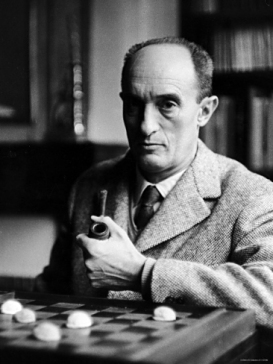
Life and career
Boulle was born in Avignon and later lived and worked in different places in and beyond France. He served in the French armed forces during the Second World War; those wartime experiences informed recurring themes in his fiction, particularly questions about human conduct under duress and the costs of survival and pride. After the war he devoted himself increasingly to writing, producing a steady output of novels and short stories in French that blended clear prose with narrative drive.
Major works and adaptations
Le Pont de la Rivière Kwaï was published in the early 1950s and became widely known through the 1957 film adaptation directed by David Lean. The film won several Academy Awards; Boulle received the Academy Award for Best Adapted Screenplay and the BAFTA Award for Best British Screenplay in association with the picture, and he is remembered for accepting the Oscar with a famously brief “Merci.” The circumstances of screen credit are often discussed in histories of the era, when issues such as blacklisting affected how writers were credited.
La Planète des singes, published in the 1960s, was adapted as the 1968 science‑fiction film starring Charlton Heston. The film popularized Boulle’s premise of role reversals between species and the fragility of human civilization; it spawned sequels, a television series and later reboots, extending the cultural reach of the original novel while adapting its themes for different audiences.
Themes, style and reception
Boulle’s fiction typically combines brisk plotting with moral or satirical undertones. He often set stories in exotic or hypothetical locations to explore ethical dilemmas, technology’s impact on society and human vanity. Critics and readers have responded to his work both for its entertainment value and for the questions it raises about power, identity and the limits of reason. His prose is generally described as direct and accessible, which contributed to his popularity with general readers.
Awards, legacy and further reading
Beyond the two best‑known adaptations, Boulle’s work influenced discussions about adaptation, authorship and the translation of literary ideas into film. His name is frequently cited in studies of mid‑20th‑century popular literature and cinema. For readers seeking more information, the list below provides entry points to biographical notes, bibliographies and sources on the film adaptations and awards.
- Biographical overview and life dates
- Information on Avignon and early life
- Context on France and French literature
- List of novels and publication history
- Collections of short stories and extracts
- Notes on original French texts and editions
- English translations and edition notes
- Film adaptation: Planet of the Apes (1968) and franchise
- Film adaptation: The Bridge on the River Kwai (1957)
- Awards and screenplay credit history
- Service in World War II and wartime context
- Death, obituaries and later recognition
Readers interested in scholarly study can consult comprehensive bibliographies and critical essays to trace Boulle’s full body of work and to examine how his ideas were transformed in cinema. His best‑known novels continue to be taught and discussed as examples of popular fiction that raises enduring ethical and imaginative questions.
Related articles
Author
AlegsaOnline.com Pierre Boulle (1912–1994), French novelist and short‑story writer Leandro Alegsa
URL: https://en.alegsaonline.com/art/76799
Sources
- query.nytimes.com : "Pierre Boulle, Novelist, Is Dead; Author of 'River Kwai' Was 81"