
The Cabin in the Woods (2012) — overview and analysis
A concise encyclopedia entry on the 2012 meta-horror film The Cabin in the Woods: synopsis, themes, production background, principal cast, reception and its place in modern horror.
Overview
The Cabin in the Woods is a 2012 American horror film directed by Drew Goddard and produced and co-written by Joss Whedon (producer/co-writer). The story follows a group of young people who travel to a secluded cabin and unwittingly become part of a larger, hidden ritual controlled from an underground facility. The film blends conventional slasher and monster-movie elements with satire and self-referential commentary on genre storytelling.
Image gallery
1 Image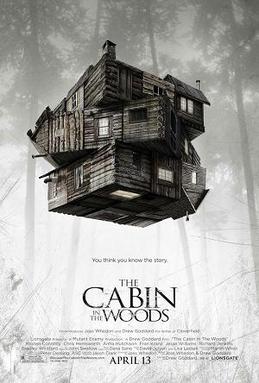
Cast and characters
The movie features an ensemble cast that mixes rising stars with seasoned character actors. Key performers include:
- Chris Hemsworth — one of the young visitors to the cabin who embodies familiar horror archetypes.
- Kristen Connolly — plays the film's central perspective character who confronts its moral and narrative stakes.
- Anna Hutchison — one of the group whose role echoes classic teen-horror parts.
- Fran Kranz — provides a notable turn that plays against expectations for his character type.
- Jesse Williams — another member of the ensemble whose reactions contribute to the film's tone shifts.
- Bradley Whitford — appears as a figure connected to the facility that manipulates events.
- Richard Jenkins — portrays a senior staffer in the control center, often juxtaposed with comic and sinister beats.
- Sigourney Weaver — plays a high-level administrator whose presence underscores the story's institutional frame.
Themes and style
The Cabin in the Woods is widely discussed as a deconstruction of horror tropes. It deliberately exposes and plays with familiar ingredients—isolated settings, reckless youth, cabin-in-the-woods isolation, and an assortment of monsters—while also presenting a mechanized system that requires those ingredients to produce a ritual outcome. The film combines suspense, gore, and black comedy to question why audiences seek certain types of stories and how those stories reflect cultural anxieties.
Production and release
Written by Drew Goddard and Joss Whedon, the project evolved from a screenplay that both writers shaped into a meta-commentary on genre. After a development period, the film was released on April 13, 2012, a date that deliberately echoed the superstitions often associated with horror releases. Critics noted the film's polished craft and its balance of homage and critique.
Reception and legacy
Upon release the film received generally positive reviews for its invention, wit, and willingness to upend expectations. Reviewers and viewers often praise its clever plotting and the way it reframes familiar horror beats. Since its release it has maintained a profile as a modern cult favorite among horror fans and scholars interested in genre reflexivity.
Notable distinctions
Unlike straightforward slashers, this film foregrounds the mechanics behind narrative horror and treats the genre itself as subject matter. Its layered approach—mixing meta-fictional devices, an ensemble cast, and a surprisingly expansive bestiary of creatures—makes it a frequent reference point in discussions about how horror can comment on storytelling, ritual, and audience expectation.
Related articles
Author
AlegsaOnline.com The Cabin in the Woods (2012) — overview and analysis Leandro Alegsa
URL: https://en.alegsaonline.com/art/97711