
1945 (year)
1945 was a pivotal year that saw the end of World War II, the atomic bombings of Japan, the founding of the United Nations and UNESCO, and the start of wide political and social realignments worldwide.
Overview
1945 ( MCMXLV ) was a common year starting on Monday according to the Gregorian calendar. It is conventionally placed in the Common Era (CE) and Anno Domini (AD) systems, within the 2nd millennium, the 20th century, and the 1940s decade. Most historical accounts treat 1945 as the closing chapter of the global conflict that dominated the early 1940s and as the beginning of a new international order.
Image gallery
10 Images


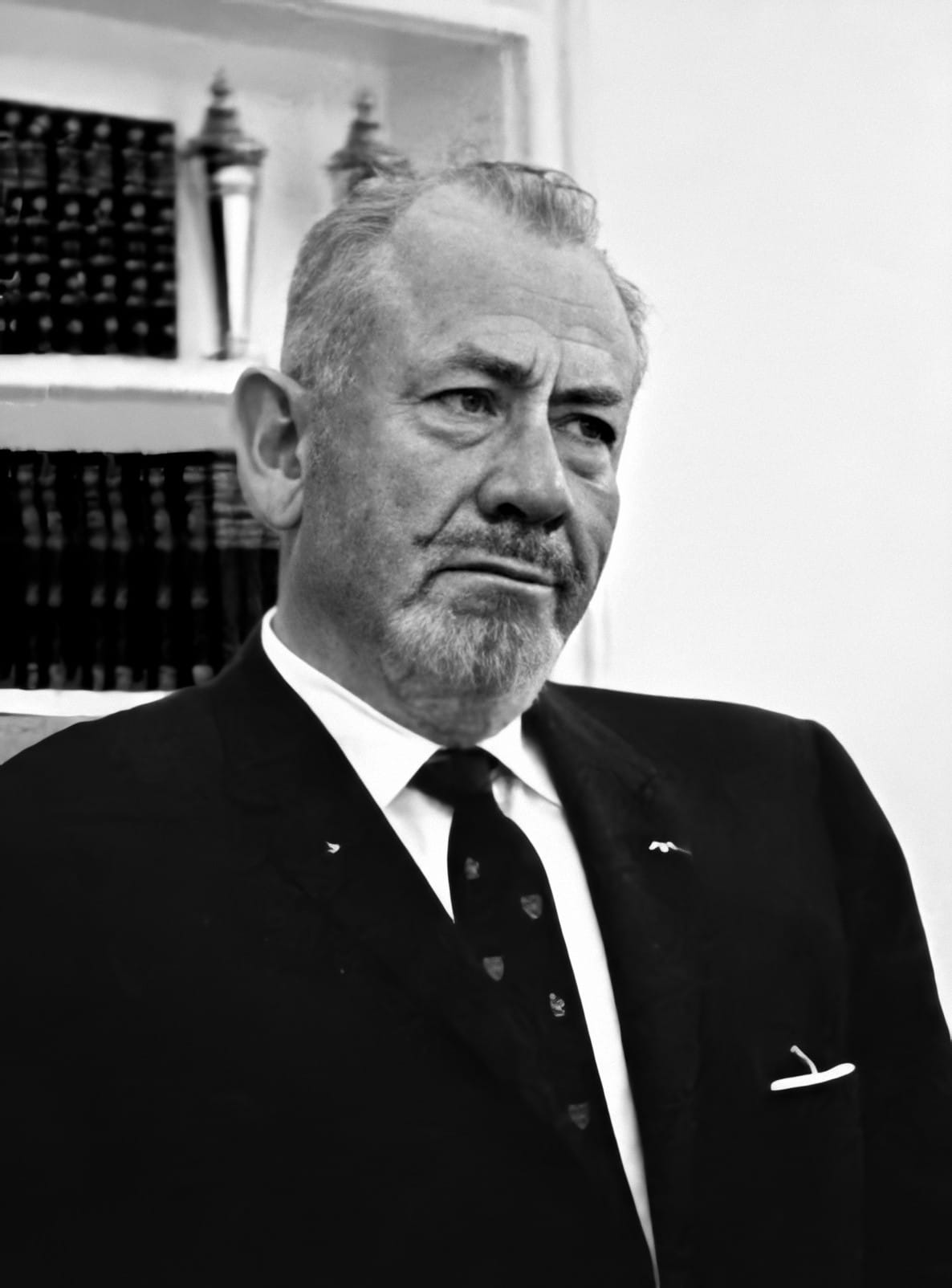




Major events and developments
The defining feature of 1945 was the end of World War II, marked by the collapse of Nazi Germany in Europe and the surrender of Imperial Japan in the Pacific. In Europe the fall of Berlin, the suicide of Adolf Hitler, and the surrender of German forces led to celebrations and the start of occupation and reconstruction. In the Pacific theatre the use of atomic weapons and the subsequent Japanese surrender brought the long war to a close.
The year also witnessed the liberation of Nazi concentration camps and the exposure of the Holocaust to the wider world, prompting efforts to bring perpetrators to trial. Plans for postwar governance and security were negotiated at high-level conferences; diplomatic gatherings in 1945 set the framework for new institutions and borders.
Institutions and international order
One of 1945's lasting legacies was the creation of multilateral institutions intended to prevent future global wars. Delegates drafted and founded the United Nations during a major international conference, and cultural and educational cooperation was formalized with the establishment of UNESCO. These organizations reflected a widespread determination to rebuild and manage international affairs collectively.
Aftermath and significance
1945 began the transition from wartime alliances to peacetime rivalries that would crystallize into the Cold War. Occupation policies, displaced populations, and economic reconstruction shaped the immediate postwar years. The decisions made and events that occurred in 1945 influenced decolonization, the reconfiguration of Europe and Asia, and the legal and moral frameworks—such as international law and human-rights concepts—that guided later decades.
Notable facts
- Calendar notation and naming conventions from the period remain the standard reference (MCMXLV, Monday, Gregorian calendar).
- Major wartime conferences and tribunals convened to address both military and legal aftermaths.
- The institutional foundations laid in 1945—international diplomacy, reconstruction programs, and cultural organizations—continue to shape global relations.
For readers seeking more detailed timelines, diplomatic records, or cultural histories tied to 1945, consult modern reference collections and archival sources that collect primary documents and contemporary analyses. Important areas of further study include the immediate humanitarian crises, the legal response to wartime crimes, and the political negotiations that defined the mid-20th century world order.
Related articles
Author
AlegsaOnline.com 1945 (year) Leandro Alegsa
URL: https://en.alegsaonline.com/art/111998