
Texas Revolution: struggle for independence and its aftermath (1835–1836)
Overview of the Texas Revolution: causes, principal events such as the Alamo and San Jacinto, the Republic of Texas, and consequences including annexation and the Mexican–American War.
Overview
The Texas Revolution was the 1835–1836 conflict in which settlers and residents of Texas fought to break political control by Mexico and ultimately established an independent government. The contest combined local grievances about law and governance, cultural differences, and the ambitions of settlers from the United States. It ended with the creation of the Republic of Texas, which later sought annexation by the United States.
Image gallery
10 Images





Causes and early developments
During the 1820s Mexico encouraged immigration into its northern province, offered through land agents known as empresarios, to settle and develop the region. Many newcomers were from the United States and brought with them customs and expectations at odds with central Mexican policy. Concerned about losing control of the territory, Mexico tightened rules on immigration and attempted to enforce its laws. Political centralization under President Antonio López de Santa Anna—who suspended the federal constitution and concentrated power—heightened resistance in several Mexican provinces, where groups sought either reform or to secede from centralized rule.
Key issues
Conflict in Texas mixed political, economic and social elements. Many settlers from the Southern United States opposed Mexico’s 1829 prohibition on slavery and brought enslaved African Americans to work on farms and ranches. Other disputes involved land titles, local autonomy, and the application of Mexican law to a population that in practice remained culturally and linguistically diverse. These tensions produced a movement that demanded local rights or outright independence.
Major engagements and turning points
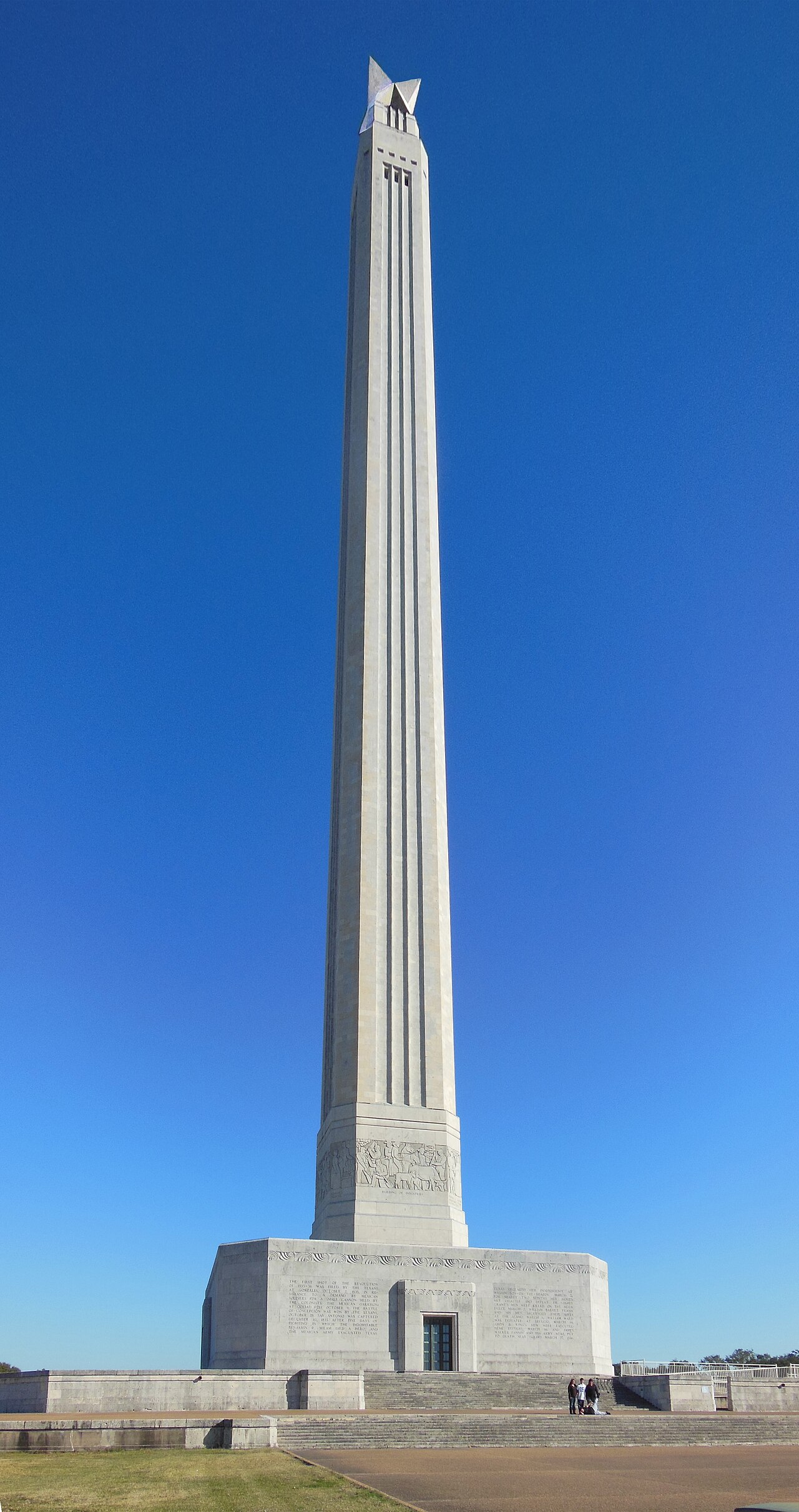
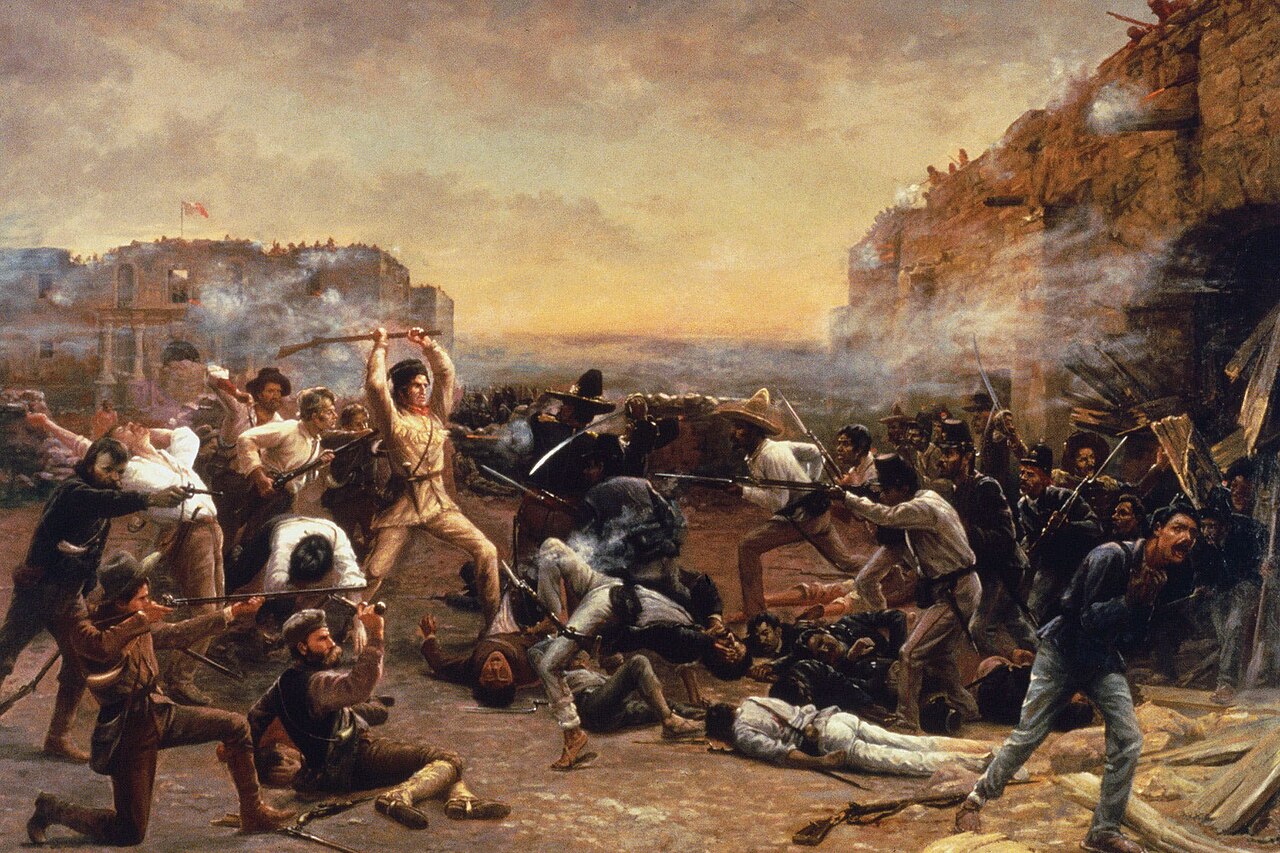
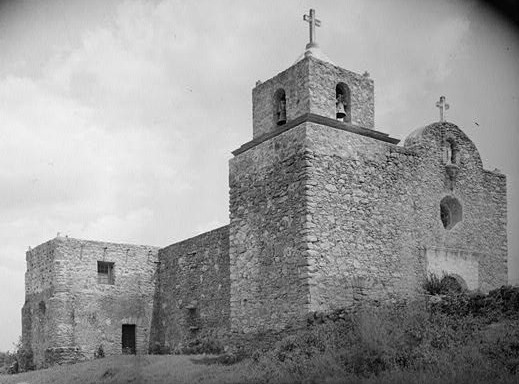
The armed phase began in October 1835 and included several notable actions. The siege and fall of the Battle of the Alamo in early 1836 became a rallying symbol after roughly two hundred defenders were killed. Another tragedy at Goliad, where captured Texian troops were executed, strengthened calls for resistance. The decisive engagement occurred at the Battle of San Jacinto on April 21, 1836, where Texian forces led by Sam Houston defeated Santa Anna’s army and captured the Mexican president, precipitating Mexican withdrawal and the effective independence of Texas.
Republic, annexation, and international consequences
After victory, settlers and political leaders formed the Republic of Texas, a sovereign nation for about a decade. Debates over its future—especially its status as a slaveholding polity—shaped domestic politics in the United States. In 1845 the United States Congress approved admission of Texas to the Union as a state; annexation intensified tensions with Mexico and contributed directly to the outbreak of the Mexican–American War, which redrew territorial lines in North America.
Legacy and notable distinctions
The Texas Revolution is remembered for its dramatic battles, its role in U.S. westward expansion, and its complex causes that combined regional autonomy, migration, and slavery. It established political institutions that governed Texas as a republic and later as a U.S. state. Historical memory of the conflict mixes heroic narratives and contested perspectives about sovereignty, indigenous displacement, and the rights of different communities within the region.
Related articles
Author
AlegsaOnline.com Texas Revolution: struggle for independence and its aftermath (1835–1836) Leandro Alegsa
URL: https://en.alegsaonline.com/art/97301
Sources
- sonofthesouth.net : "Republic of Texas Historical Resources"