
The Protectorate (1653–1659): England, Scotland and Ireland under the Lord Protector
The Protectorate was the republican regime in Britain from 1653–1659 led by a Lord Protector. It combined a written constitution, military influence and Puritan reforms before collapse and the 1660 Restoration.
Overview
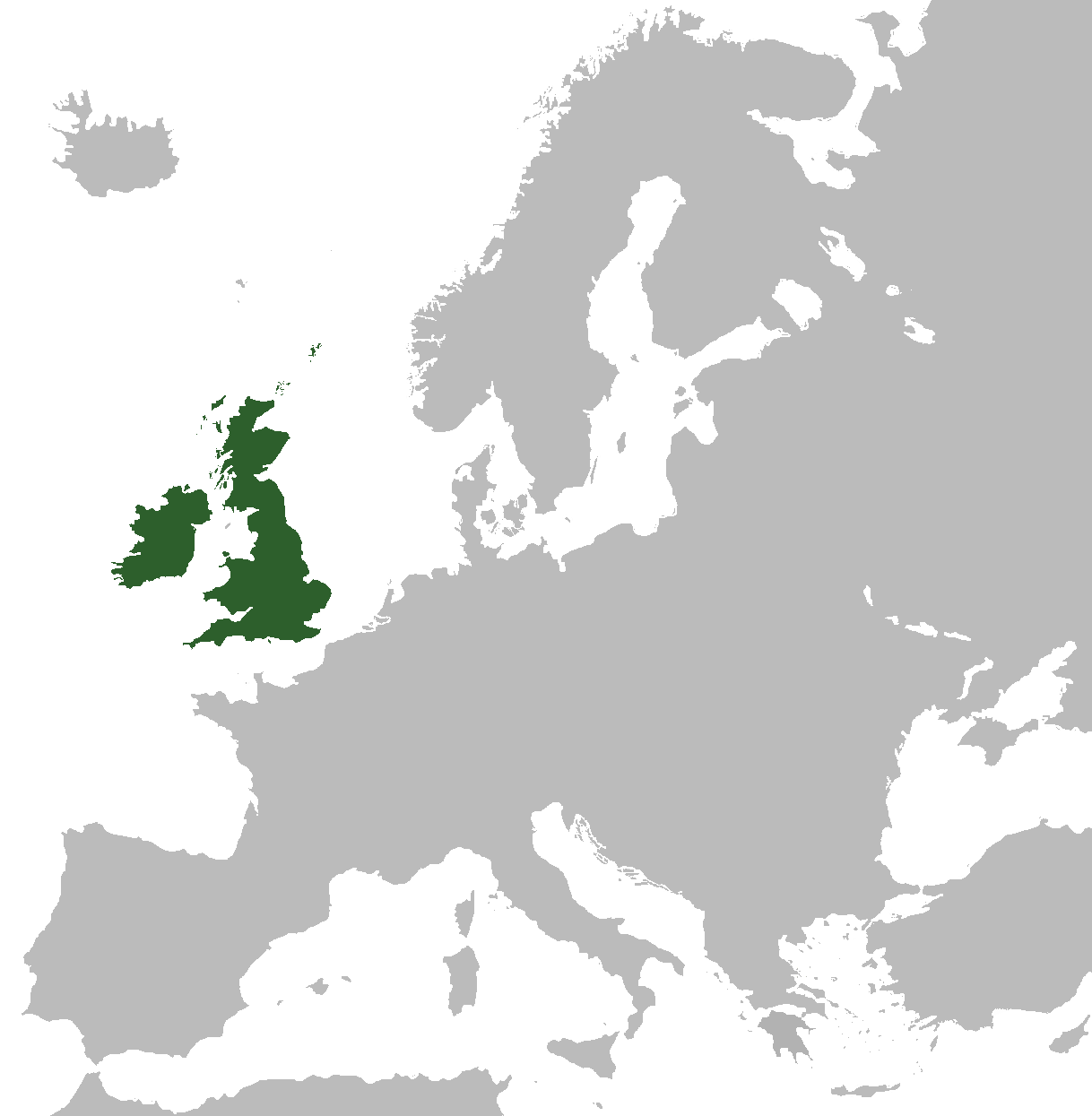
The Protectorate was the interval (1653–1659) in which the three kingdoms of England, Scotland and Ireland were governed not by a monarch but by a chief executive known as the Lord Protector. The first and dominant holder of that office was Oliver Cromwell, a leading commander in the civil wars and a principal architect of the new regime. The Protectorate followed years in which Parliament had abolished the monarchy and ruled in varying forms after 1649.
Image gallery
3 Images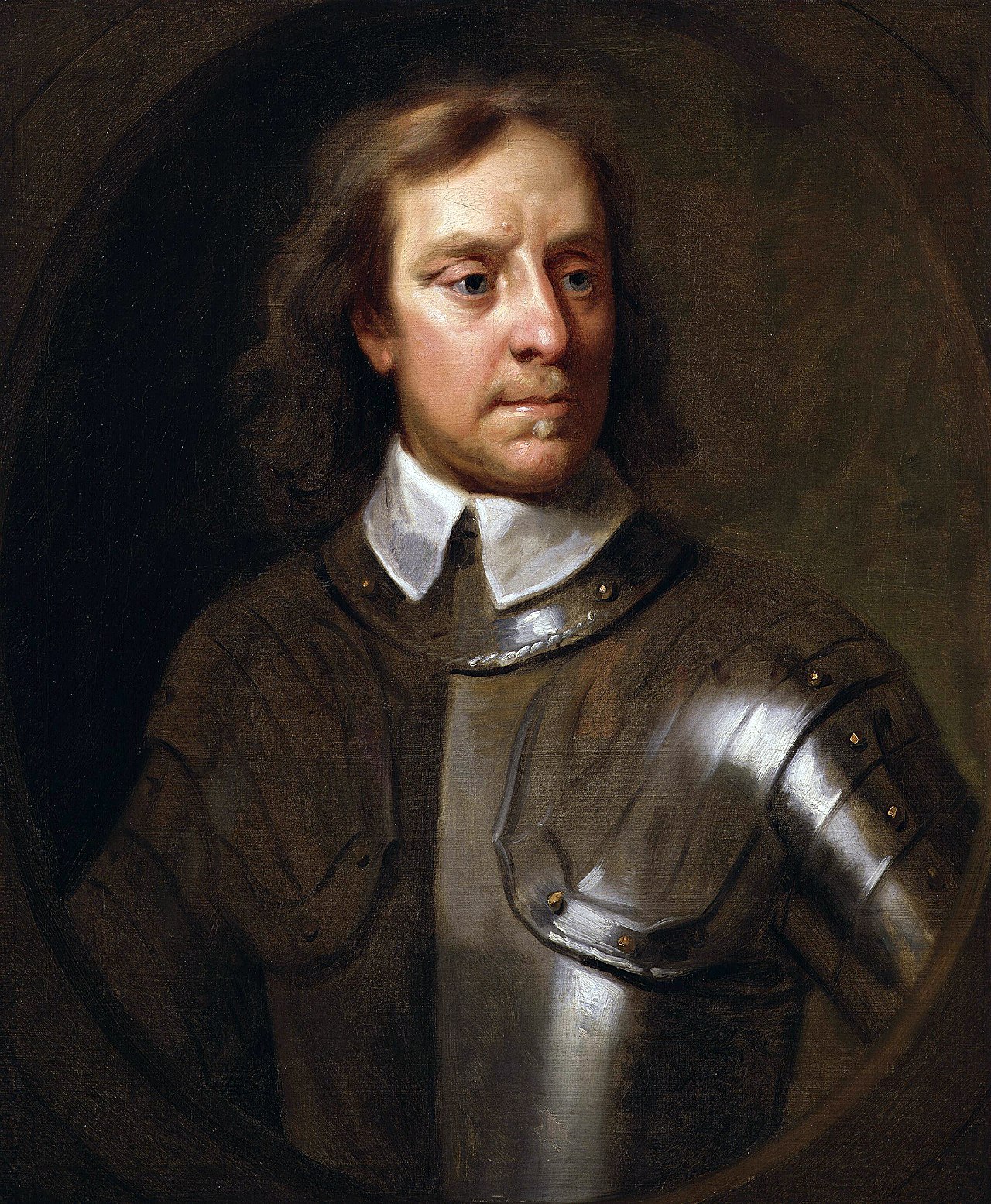

Constitution and institutions
Government under the Protectorate rested on a written constitution, the Instrument of Government (1653), which attempted to balance executive power, a standing Council and a reconstituted Parliament. In theory authority was shared, but the Lord Protector possessed notable prerogatives, including command of the army, a veto over legislation and a role in calling Parliaments. The political scene before the Protectorate had been unstable: the Rump Parliament was forcibly dissolved in 1653 and short-lived alternatives such as the nominated assembly showed the difficulty of civilian control. Some contemporaries and later historians have characterized the Cromwellian regime as effectively a military dictatorship, because armed force and the officer class remained central to enforcing policy.
Policies, society and religion
During the Protectorate the government pursued a mix of religious, social and economic measures shaped by Puritan principles and strategic interests. The state extended limited religious toleration: many Protestant sects and the Jewish community were permitted open practice, while the established Anglican order and Roman Catholics remained disadvantaged; this policy is often summarized under the phrase religious toleration with important caveats. The regime also enforced moral codes—banning stage plays and restricting certain entertainments—and promoted administrative reforms intended to strengthen taxation, maritime trade and colonial ventures. Naval power and commercial legislation, including enforcement of earlier Navigation Acts, were tools for expanding overseas influence. The Protectorate established a system of military governors (the Major-Generals) for a period, combining civil and military administration in the counties.
War, finance and foreign affairs
Cromwell's government engaged in active foreign policy: it fought maritime and colonial contests, sought alliances to balance European powers, and undertook expeditions such as the 1655 Caribbean campaign that seized Jamaica. War and naval operations required sustained financing, which intensified reliance on army-backed assessments and customs; these fiscal pressures contributed to frictions between Parliament and the executive.
Collapse and restoration
After Oliver Cromwell's death in September 1658 his son, Richard, succeeded as Lord Protector but lacked his father's authority and the loyalty of senior officers. Richard's inability to control the army and manage competing political factions led to his resignation in 1659 and a period of turmoil during the wider English Interregnum. The breakdown of central control and the return of military factionalism cleared the way for General George Monck's intervention and the eventual restoration of the monarchy in 1660. Debates about the Protectorate continue: some historians emphasize its experiments in constitutional government and administrative centralization, while others stress its dependence on military force and the problems of legitimacy that ultimately brought an end to republican rule and the re-establishment of the monarchy.
Notable aspects and legacy
- Constitutional innovation: first English state to operate under a written constitution rather than dynastic rule.
- Religious policy: selective toleration that reshaped public life but left deep religious divisions.
- Military influence: governance shaped by army structures and officers who had led the civil wars.
- Overseas expansion: naval and colonial activity increased Britain’s global presence, with long-term effects on trade and empire.
The Protectorate remains a pivotal experiment in 17th-century British history, notable both for its attempts to create a new constitutional order and for the limits that military power and contested legitimacy placed upon those ambitions. For further reading on key personalities and institutions see entries on the Rump Parliament, the office of Lord Protector and Oliver Cromwell’s life and policies at standard reference works and archives. Additional resources discuss the controversies over the regime’s character—whether reformist republic, de facto military regime or transitional interlude before the Restoration—and their continuing significance in constitutional history.
Related topics: the role of Oliver Cromwell as commander and statesman, debates over the Instrument of Government, and the social effects of the Protectorate’s religious policies and military governance.
See also contemporary accounts and modern analyses of the Scottish and Irish experiences under the Protectorate, and wider chronologies of the English revolutionary period.
Questions and answers
Q: What was the period of British history known as?
A: The period of British history is known as the Protectorate.
Q: When did the Protectorate take place?
A: The Protectorate took place from 1653 to 1659.
Q: How had England been ruled before the Protectorate?
A: Before the Protectorate, England (and then Scotland and Ireland) had been ruled directly by Parliament since it had declared England to be a Commonwealth in 1649.
Q: Who led soldiers to send away the Rump Parliament in April 1653?
A: Oliver Cromwell led soldiers to send away the Rump Parliament in April 1653.
Q: What position was created by a constitution passed in December 1653?
A: A constitution passed in December 1653 created the post of Lord Protector.
Q: Was religious toleration extended to Anglicans or Roman Catholics during the Protectorate?
A: No, religious toleration was not extended to Anglicans or Roman Catholics during the Protectorate.
Q: How was monarchy restored after chaotic English Interregnum?
A: Monarchy was restored after chaotic English Interregnum through General George Monck's initiative in May 1660.
Related articles
Author
AlegsaOnline.com The Protectorate (1653–1659): England, Scotland and Ireland under the Lord Protector Leandro Alegsa
URL: https://en.alegsaonline.com/art/98682