
Tetrigidae — pygmy grasshoppers, groundhoppers, and grouse locusts
Tetrigidae is a family of small Orthoptera known as pygmy grasshoppers or groundhoppers. About 1,600 species worldwide; distinctive for an extended pronotum and association with damp or low-vegetation habitats.
Overview
Tetrigidae is a family within the order Orthoptera, the same insect order that contains crickets and grasshoppers. Members of this family are commonly called pygmy grasshoppers, groundhoppers, pygmy locusts or grouse locusts. The family is modest in size compared with some other orthopteran families, comprising roughly 1,600 described species distributed among about 250 genera and occurring worldwide, with greatest diversity in tropical regions.
Image gallery
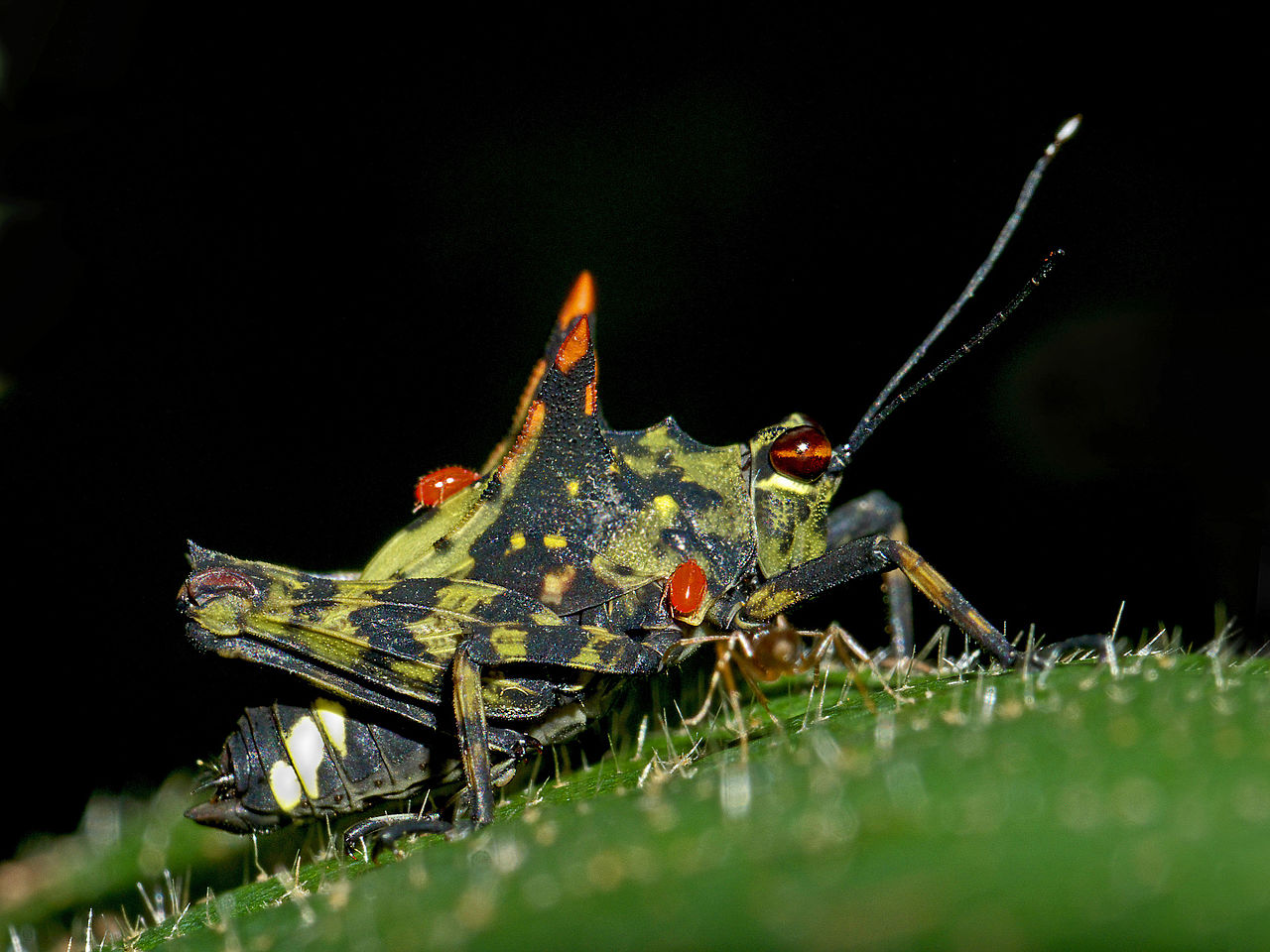
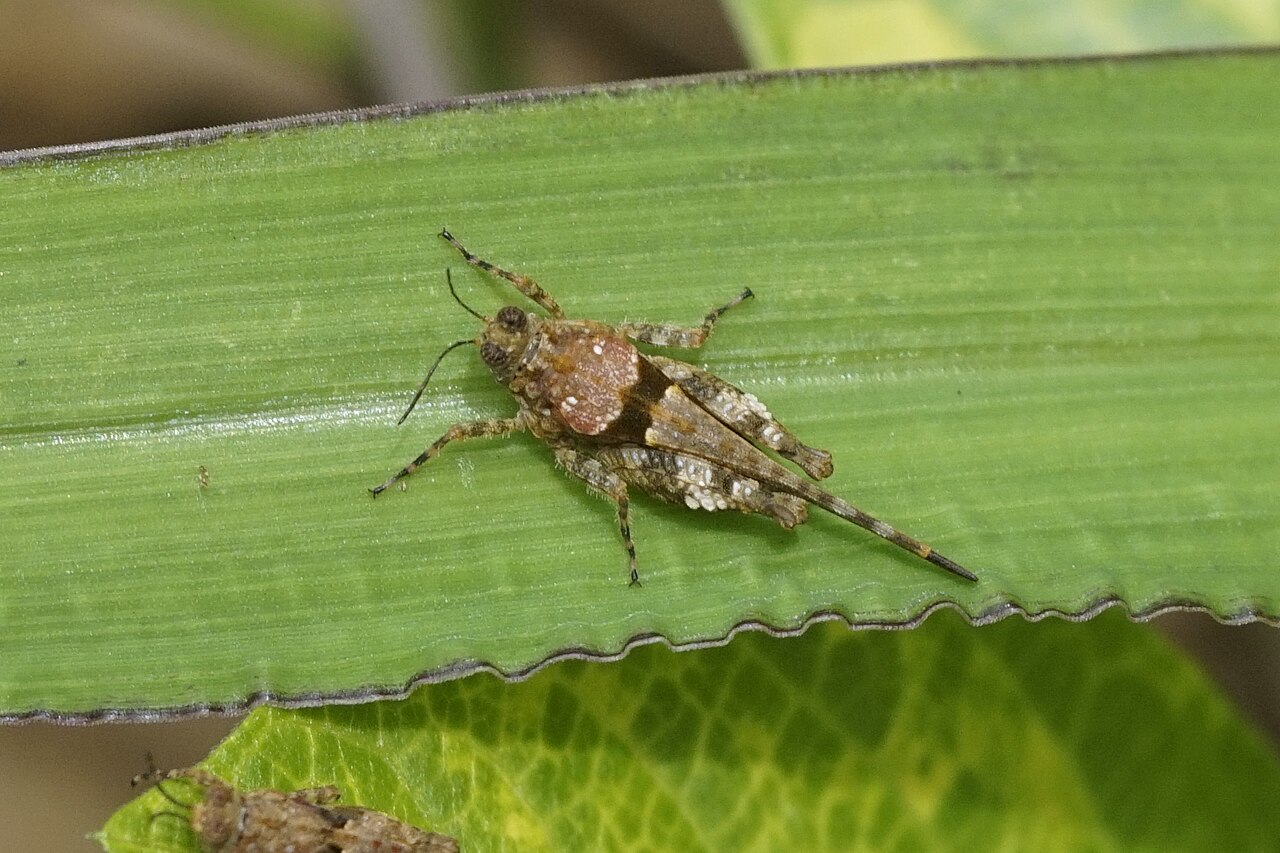
10 Images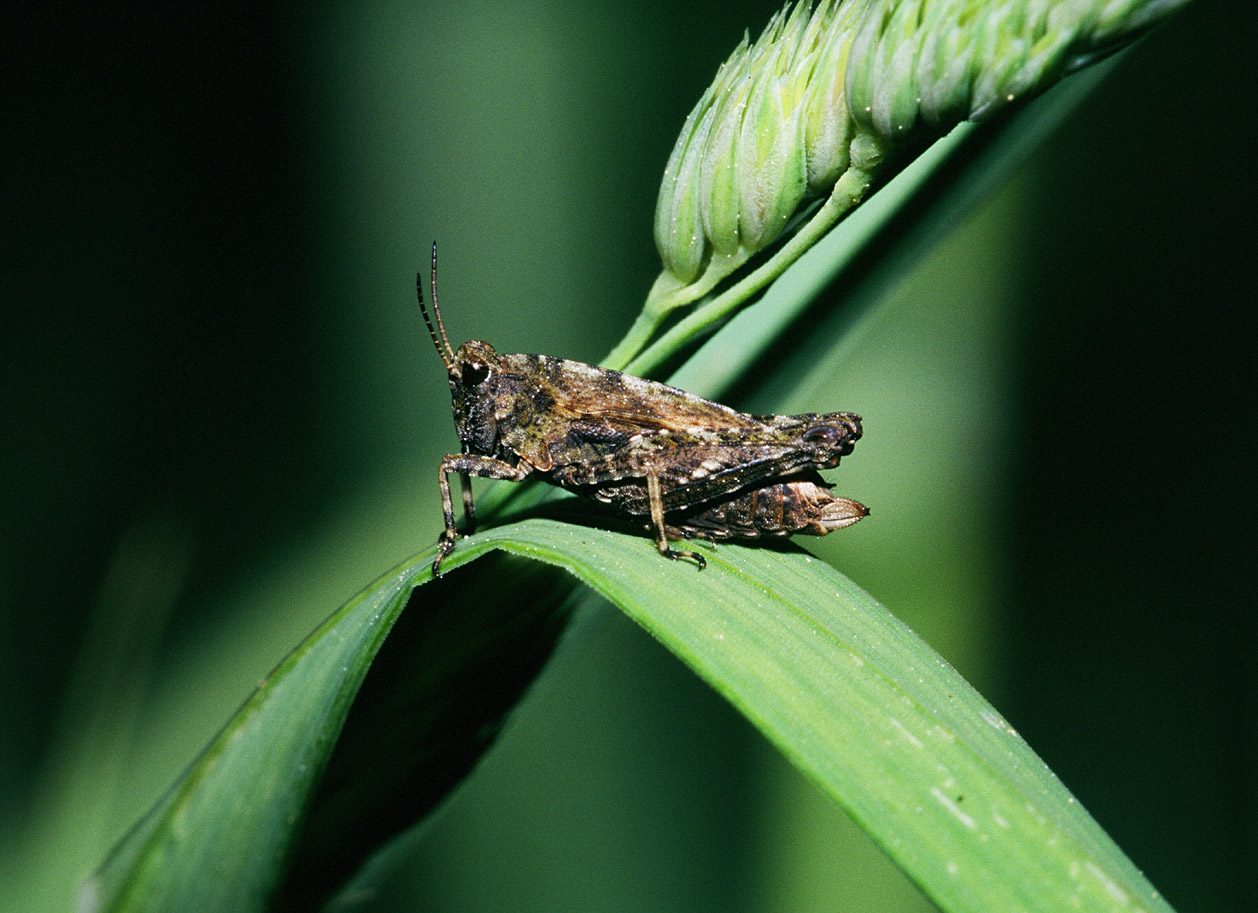


Distinctive characteristics
Tetrigids are small, generally cryptically colored insects. Key identifying features include:
- Pronotum: an elongated dorsal plate (the pronotum) extends backward to cover the abdomen and often reaches or overlaps the tip of the abdomen, forming a protective hood or shield.
- Wings: wing size varies widely; some species have fully developed hind wings, others have reduced or absent wings and are effectively flightless.
- Legs and movement: like other orthopterans they have powerful hind legs adapted for jumping; many species rely on short, rapid hops rather than sustained flight.
- Development: they undergo incomplete metamorphosis (hemimetabolous), with nymphs resembling small adults.
Habitat and ecology
Tetrigids are frequently associated with damp or semi-aquatic environments: stream margins, wet leaf litter, mossy banks, rice paddies and other moist ground. Diets are often generalist and include algae, mosses, decaying plant matter and small fragments of vegetation; some species graze on microalgae or biofilms on rocks and soil. Their cryptic coloration and low profile help them blend into the substrate and avoid predators.
Life cycle, behavior and role
Reproduction follows the typical orthopteran pattern: eggs are laid in soil or substrate, then hatch into nymphs that pass through several instars before reaching adulthood. Many tetrigids are solitary and sedentary, occupying small home ranges. Ecologically they contribute to nutrient cycling by breaking down detritus and serve as prey for a variety of birds, amphibians and small mammals. Some species are used as model organisms to study evolution of flightlessness, morphology and habitat specialization.
Notable facts and distinctions
Although superficially similar to small grasshoppers, tetrigids are distinguished from members of the typical grasshopper family by their pronotum that covers the abdomen. Their overall small size, preference for low vegetation or damp microhabitats, and often reduced wings set them apart. The family has a long history of taxonomic study, and ongoing research continues to refine relationships within the group and to document tropical diversity. For general background on orthopteran biology see Orthoptera resources and comparative pages on crickets and grasshoppers.
Common names: pygmy grasshoppers, groundhoppers, grouse locusts, pygmy locusts.
Related articles
Author
AlegsaOnline.com Tetrigidae — pygmy grasshoppers, groundhoppers, and grouse locusts Leandro Alegsa
URL: https://en.alegsaonline.com/art/97252