
Orthoptera: grasshoppers, crickets and katydids — biology and importance
Orthoptera are insects including grasshoppers, crickets, katydids and locusts. This article covers their anatomy, life cycle, sound production, ecology, classification and interactions with people.
Overview
Orthoptera is an order of insects that contains familiar groups such as grasshoppers, katydids and crickets. The name means "straight wings," referring to the typically stiff forewings that lie straight over the body. Orthopterans occupy a wide range of habitats worldwide, from open grasslands to woodlands and wetlands, and include roughly twenty thousand described species. For a general introduction see an overview entry on Orthoptera.
Image gallery
10 Images


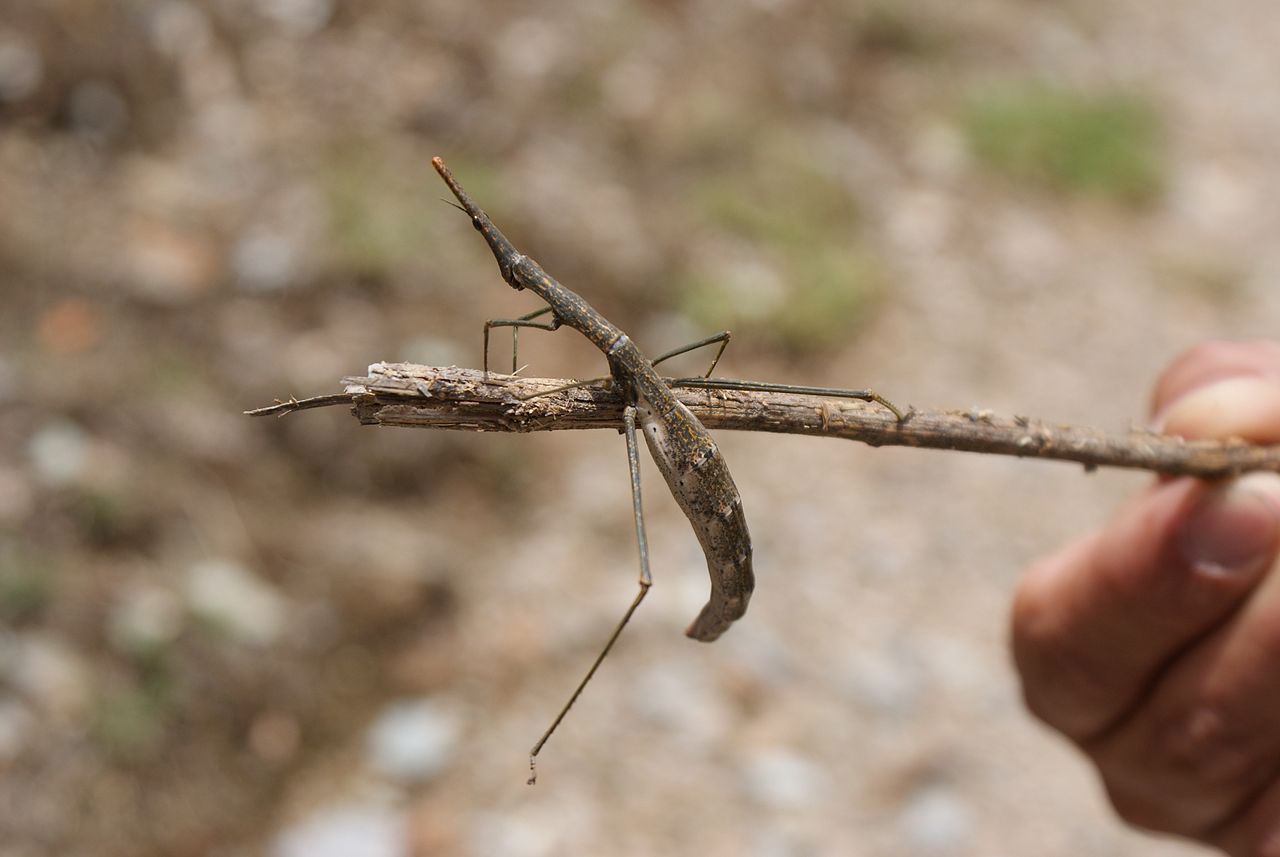


Anatomy and life cycle
Members of Orthoptera have chewing mouthparts, well-developed hind legs adapted for jumping, and a pair of forewings called tegmina. These tegmina are often stiffer than the hind wings and protect the body and folded flight wings. In many species the forewings are not primarily used for flight, while the membranous hind wings provide most lift; the hind wings are folded fan-like and tucked beneath the tegmina (membranous hind wings, fan-folded). Orthopterans undergo incomplete metamorphosis (hemimetaboly): eggs hatch into nymphs that gradually develop wings through successive molts.
Sound production and senses
Many orthopterans produce sounds for communication, particularly mate attraction. Sound is commonly produced by stridulation: rubbing a file-like surface against a scraper. The mechanism varies by group—some species rub their forewings together while others rub a hind leg against a wing. Hearing organs (tympana) occur in different positions across taxa and are tuned to species-specific calls. Temporal patterns and frequency are important for recognition and for avoiding predators.
Ecology and behaviour
Orthopterans are important herbivores in many ecosystems and also include omnivorous or predatory species. They serve as prey for birds, small mammals, reptiles and other arthropods, and they contribute to nutrient cycling by breaking down plant material. Some species exhibit population outbreaks and, in a few locust species, dramatic phase changes and swarming behaviour can cause major agricultural damage and economic impact.
Human interactions and uses
People interact with Orthoptera in many ways: as agricultural pests, as traditional and modern food sources (entomophagy), and as subjects of ecological and behavioral research. They are used in studies of acoustics, neurobiology and locomotion. Conservation concerns include habitat loss, pesticide exposure and climate change, which can reduce local diversity even where some species remain abundant.
Classification and identification
The order is commonly divided into two main suborders: Caelifera (grasshoppers and locusts) and Ensifera (crickets and katydids). Caelifera generally have shorter antennae and different sound-producing structures than Ensifera, which typically have long antennae and may carry a long ovipositor. Field identification often relies on wing shape, leg structure, antenna length and the pattern of stridulatory organs.
Key features at a glance
- Forewings = tegmina: protective and usually straight
- Hind wings: membranous, folded fan-like beneath the tegmina (fan-folded)
- Development: incomplete metamorphosis (egg → nymph → adult)
- Communication: stridulation; hearing organs detect species-specific calls
- Human relevance: agricultural pests (including locust swarms), edible insects, research models
For more detailed species accounts consult resources on grasshoppers and crickets, guides to wing structure that describe hind wing mechanics and folding, and entries discussing the role of tegmina. Additional introductory material is available in general treatments of Orthoptera and through field guides that explain the varied roles of forewings (not primarily used for flight) in protection and sound production.
Questions and answers
Q: What is Orthoptera?
A: Orthoptera is an order of insects that includes grasshoppers, katydids, and crickets.
Q: What does the word "Orthoptera" mean?
A: The word "Orthoptera" means "straight wings" because the front wings, called tegmina, are straight and not used for flying.
Q: What are the front wings of Orthoptera called?
A: The front wings of Orthoptera are called tegmina.
Q: What are the back wings of Orthoptera?
A: The back wings of Orthoptera are membranous and are folded like a fan under the front wings when the insect is not flying.
Q: What do many species of Orthoptera use their wings for?
A: Many species of Orthoptera use their wings to make sounds, which we usually call "chirping" noises.
Q: Are the front wings of Orthoptera used for flying?
A: No, the front wings of Orthoptera are stiff, straight, and not used for flying.
Q: What is the meaning of the prefix "ortho" in the word "Orthoptera"?
A: The prefix "ortho" in the word "Orthoptera" means "straight".
Related articles
Author
AlegsaOnline.com Orthoptera: grasshoppers, crickets and katydids — biology and importance Leandro Alegsa
URL: https://en.alegsaonline.com/art/73277
Sources
- species.wikimedia.org : Orthoptera
- books.google.com : books.google.com/books?id=SHHQVehP488C&pg=PA74&redir_esc=y