
Pope Paul VI (Giovanni Battista Montini): Life and Legacy
Pope Paul VI (Giovanni Battista Montini) led the Catholic Church from 1963 to 1978, completing the Second Vatican Council, promoting liturgical reform and social teaching, fostering ecumenism and extensive papal travel.
Overview
Giovanni Battista Enrico Antonio Maria Montini, known as Pope Paul VI, served as the 263rd pope of the Roman Catholic Church from 1963 until his death in 1978. He succeeded John XXIII and is widely remembered for guiding the church through the conclusion and implementation of the Second Vatican Council. His pontificate combined pastoral concern, administrative reform and an emphasis on the church's engagement with modern social and political questions.
Image gallery
10 Images


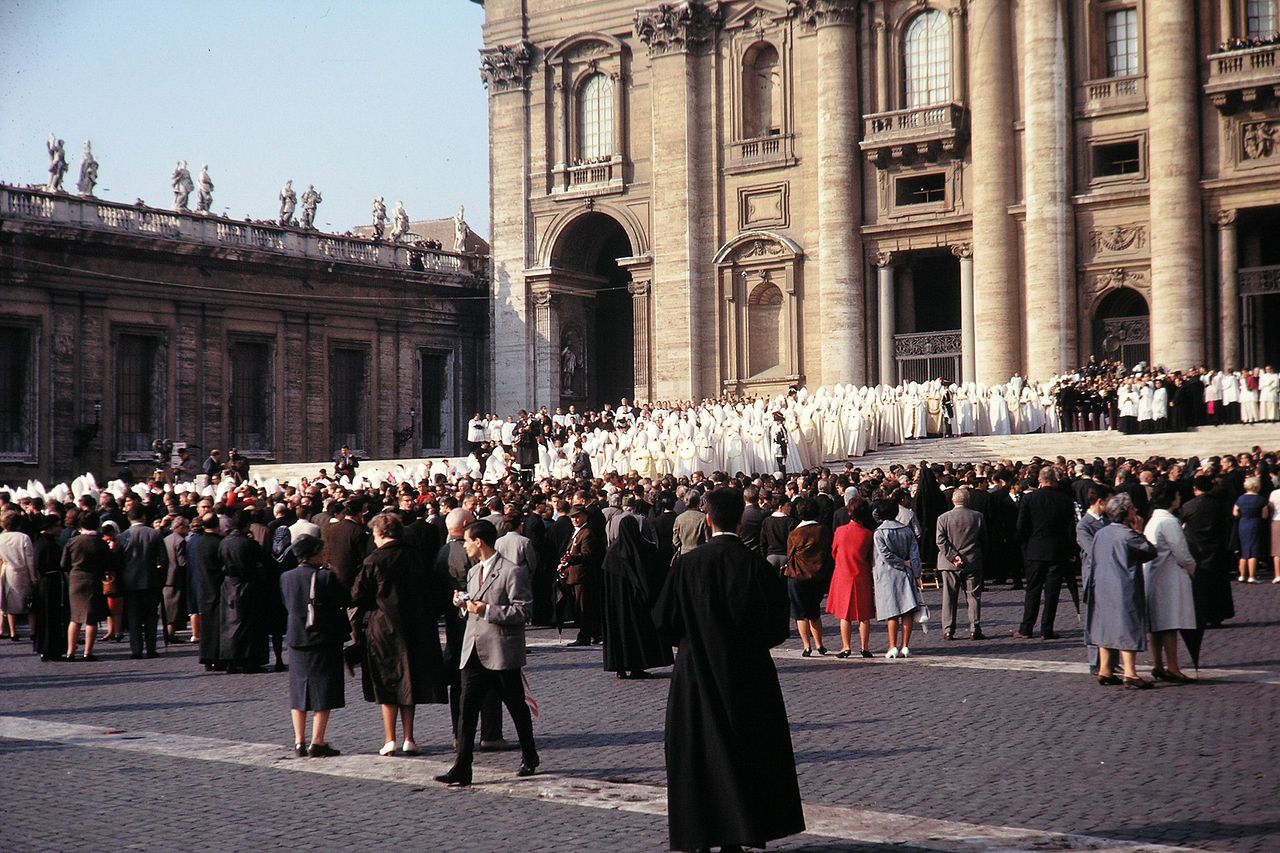
Early life and priestly service
Born in northern Italy, Montini entered the priesthood and later worked in the diplomatic and administrative offices of the Holy See. He spent years in the Vatican Secretariat of State where he gained experience in church governance and international affairs. His appointment as Archbishop of Milan before his election to the papacy shaped his pastoral style, balancing theological reflection with attention to ordinary pastoral needs.
Second Vatican Council and reforms
Paul VI presided over the final sessions of the Second Vatican Council and took responsibility for implementing many of its reforms. Under his leadership the church moved toward liturgical renewal with wider use of vernacular languages, encouragement of active lay participation, and a renewed emphasis on pastoral outreach. He also established structures intended to foster collegiality, including the modern Synod of Bishops.
Writings and social teaching
During his pontificate Paul VI issued important documents addressing the church's self-understanding and its social teaching. Notable writings include Ecclesiam Suam, reflections on the church's mission; Populorum Progressio, which focused on development, justice and global solidarity; and Humanae Vitae, which restated traditional teaching on marriage and drew widespread public reaction. These works shaped theological discussion and pastoral practice for decades.
Ecumenism, diplomacy and travel
Paul VI promoted dialogue with other Christian communions and with non-Christian religions. A landmark gesture of reconciliation with the Eastern Orthodox Church and renewed ecumenical contacts marked his efforts to heal centuries-old divisions. He also expanded the practice of papal travel, becoming the first pope to make extensive international journeys and to address global forums in person, thus increasing the visible presence of the papacy worldwide.
Controversy and reception
Many of Paul VI's decisions generated debate. Some Catholics praised his careful stewardship of Vatican II and his emphasis on peace and development; others criticized particular teachings or the pace of change. The reaffirmation of the church's position on artificial contraception in Humanae Vitae was especially contentious and prompted intense discussion within the church and in wider society.
Later years and path to sainthood
In his later years Paul VI continued to speak on issues such as peace, human dignity and social progress. In the 21st century his cause for canonization advanced: Pope Benedict XVI recognized that he had lived a life of heroic virtue, a step in the canonization process, and Pope Francis later approved miracles attributed to him, leading to beatification and eventual canonization in October 2018.
Legacy
Paul VI's legacy includes the consolidation of Vatican II reforms, a more internationally visible papacy, renewed ecumenical relations, and influential contributions to Catholic social teaching. His writings and reforms continue to be studied for their theological, pastoral and historical significance.
For names and formal references see the Italian form of his name at Italian name, lists of papal succession at lists of popes, general information about the office of the Pope, and material on Vatican administration at the Roman Curia.
- Key encyclicals and letters: Ecclesiam Suam, Populorum Progressio, Humanae Vitae
- Notable initiatives: implementation of Vatican II reforms, institution of the Synod of Bishops, expanded papal diplomacy
Questions and answers
Q: Who was Pope Paul VI?
A: Pope Paul VI was an Italian priest of the Roman Catholic Church and the 263rd Pope from 1963 until his death in 1978.
Q: What was Pope Paul VI known for?
A: Pope Paul VI was known as a spiritual leader and the head of the church bureaucracy.
Q: What did Pope Benedict XVI declare about Pope Paul VI in 2012?
A: Pope Benedict XVI declared in 2012 that Paul had lived “a life of heroic virtue.”
Q: Who beatified Pope Paul VI and when did it happen?
A: Pope Francis beatified Pope Paul VI two years after Pope Benedict XVI's declaration of his heroic virtue, in 2014.
Q: When was Pope Paul VI canonized?
A: Pope Paul VI was canonized in October 2018 by Pope Francis.
Q: What was Pope Paul VI's birth name?
A: Pope Paul VI's birth name was Giovanni Battista Enrico Antonio Maria Montini.
Q: What is the significance of Pope Paul VI being canonized?
A: The significance of Pope Paul VI being canonized is that he has been officially recognized as a saint in the Roman Catholic Church.
Author
AlegsaOnline.com Pope Paul VI (Giovanni Battista Montini): Life and Legacy Leandro Alegsa
URL: https://en.alegsaonline.com/art/128919