
Terri Schiavo case: U.S. legal, medical and ethical controversy over life support
A high-profile 1998–2005 U.S. legal dispute about removal of life-sustaining nutrition for Terri Schiavo, who remained in a persistent vegetative state after a 1990 cardiac arrest.
Overview
The Terri Schiavo case became a focal point for debates about end-of-life decision-making in the United States. Teresa Marie "Terri" Schiavo collapsed from a cardiac arrest on February 25, 1990, which caused severe, irreversible brain injury and left her in a persistent vegetative state. Beginning in 1998 and continuing through 2005, a long series of court proceedings, legislative actions and public protests centered on whether to remove her feeding tube and discontinue artificial nutrition and hydration.
Image gallery
3 Images

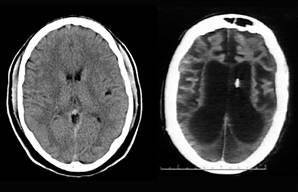
Medical condition and central issues
Schiavo was diagnosed by treating physicians as being in a persistent vegetative state, a condition in which wakefulness may be present but there is no sustained, meaningful awareness of self or environment. Central questions included interpretation of her prior wishes (advance directives or statements), assessment of her neurological status, and the legal authority of her court-appointed guardian to request withdrawal of life-sustaining treatment.
Legal proceedings and political involvement
The dispute involved multiple parties, most notably her husband and legal guardian, Michael Schiavo, who argued that Terri would not have wanted prolonged artificial life support, and her parents, Robert and Mary Schindler, who opposed removal. State and federal courts heard many appeals and evidentiary hearings. The matter attracted intervention by the Florida legislature and governor, and by the U.S. Congress and President, creating an unusual overlap of judicial and political actions. For a chronology and selected documents see legal timeline and background materials at archival summaries.
Public response and outcomes
The case provoked national attention, sustained media coverage, and protests from advocacy groups on both sides of the debate. After procedural delays and several temporary reinstatements of nutrition, Terri Schiavo's feeding tube was removed on March 18, 2005; she died thirteen days later. Observers cited the case as influential in public and professional discussions about advance directives, surrogate decision-making and the medical definition of consciousness. Contemporary commentary and retrospective analyses can be found at medical ethics reviews and legal analyses.
Key themes and legacy
Several themes emerged from the Schiavo controversy:
- How to interpret a patient's previously expressed wishes when no formal advance directive exists;
- The role and limits of guardians, family members and courts in end-of-life choices;
- How political branches may react to high-profile judicial matters, and the risks of politicizing individual medical decisions.
The case prompted hospitals, lawyers and the public to emphasize written advance directives and clearer surrogate decision-making procedures. For further primary-source materials and summaries consult court documents and post-case reviews at policy organizations.
Related articles
Author
AlegsaOnline.com Terri Schiavo case: U.S. legal, medical and ethical controversy over life support Leandro Alegsa
URL: https://en.alegsaonline.com/art/97131
Sources
- nbcnews.com : "Ten Years After Terri Schiavo, Death Debates Still Divide Us: Bioethicist"
- nytimes.com : "From Private Ordeal to National Fight: The Case of Terri Schiavo"
- worldcat.org : 0362-4331
- time.com : "How Terri Schiavo Shaped the Right-to-Die Movement"