
Terry Butcher: English defender, captain and football manager
Terry Butcher (born 1958) is a former English central defender known for leadership at Ipswich Town, Rangers and the England national team, later moving into club management including a spell at Inverness Caledonian Thistle.
Overview
Terence Ian "Terry" Butcher (born 28 December 1958) is an English former professional footballer best known as a commanding centre‑back and national team captain. He was born in Singapore to British parents and came to prominence in English club football in the late 1970s and 1980s. After retiring as a player he moved into management and coaching, with roles in both England and Scotland, including a period with Inverness Caledonian Thistle in the Scottish Premier League.
Image gallery
4 Images


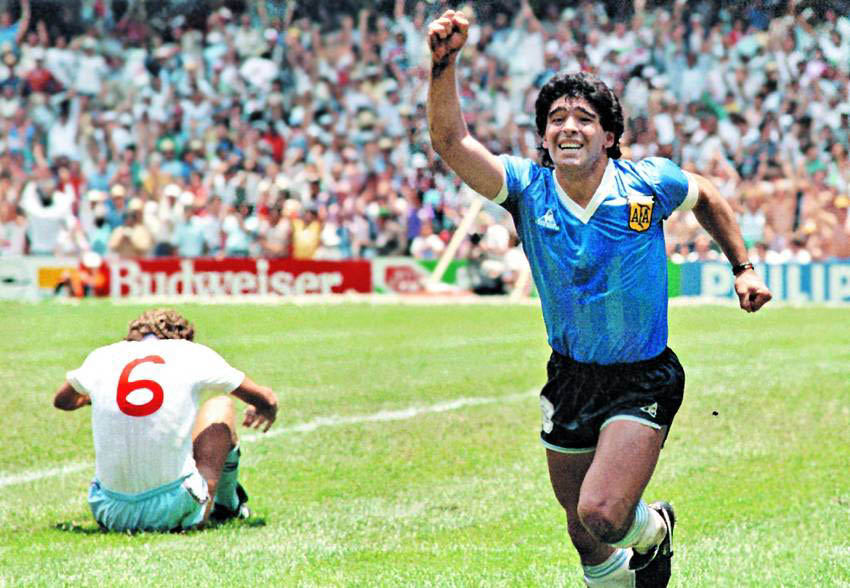
Club career and playing style
Butcher established himself at Ipswich Town, where he became known for his physical presence, aerial ability and organizational skills at the back. In 1986 he moved to Scotland to join Rangers, where his leadership and experience were highly valued. Throughout his club career he was regarded as a tough, committed defender who marshalled his back line and led by example on the pitch.
International career
Butcher was a regular for the England national team and captained his country through much of the 1980s. He earned 77 caps over more than a decade and was admired for his determination and resilience. One of the most enduring images of his international career comes from a World Cup qualifying match in 1989, when he famously continued to play with a head wound and a blood‑soaked bandage — a moment that symbolized his tenacity.
Management and later roles
Following retirement from playing, Butcher turned to management and coaching. His managerial career has included appointments in both the English and Scottish leagues. Notably, he took charge at Inverness Caledonian Thistle in the top tier of Scottish football and has worked to apply the leadership qualities from his playing days to developing teams and younger players.
Legacy and reputation
Terry Butcher is remembered for his leadership, commitment and the intensity he brought to defence. He remains a recognized figure in British football history—particularly among fans of Ipswich Town and Rangers—and his time as England captain left a lasting impression on supporters and teammates. His transition into management kept him involved in the game and allowed him to influence the next generation of players.
Further reading
- Profiles of his playing career and statistics are maintained by many football reference sites and club archives.
- For club history and managerial updates, see pages maintained by league and club sources.
Questions and answers
Q: Who is Terry Butcher?
A: Terry Butcher is a former professional football player and the current manager of Inverness Caledonian Thistle, a Scottish Premier League team.
Q: Where was Terry Butcher born?
A: Terry Butcher was born in Singapore.
Q: What position did Terry Butcher play in?
A: Terry Butcher played as a defender for teams such as Ipswich Town and Rangers.
Q: Did Terry Butcher ever captain a national team?
A: Yes, Terry Butcher was the captain of the England national team.
Q: How many caps did Terry Butcher win during his career?
A: Terry Butcher won 77 caps in his career which spanned over ten years.
Q: Is Terry Butcher still playing professional football?
A: No, Terry Butcher is no longer playing professional football, he is now a manager.
Q: What team does Terry Butcher manage currently?
A: Terry Butcher manages Inverness Caledonian Thistle in the Scottish Premier League.
Related articles
Author
AlegsaOnline.com Terry Butcher: English defender, captain and football manager Leandro Alegsa
URL: https://en.alegsaonline.com/art/97148