
Tequila: Mexican agave spirit — production, types and cultural role
Tequila is a distilled spirit from Mexico made primarily from blue agave. This article explains its production, legal status, main styles, common uses in cocktails and culinary culture, and how it differs from mezcal.
Tequila is a distilled alcoholic beverage that originates in Mexico and is made largely from the sugars of the blue agave plant. Recognized worldwide as a distinct category of spirit, tequila carries both cultural significance in Mexico and a protected legal status that limits where and how it may be produced. Typical commercial tequilas are bottled near 40% alcohol by volume and are enjoyed neat, in short pours, or as an ingredient in mixed drinks.
Image gallery
10 Images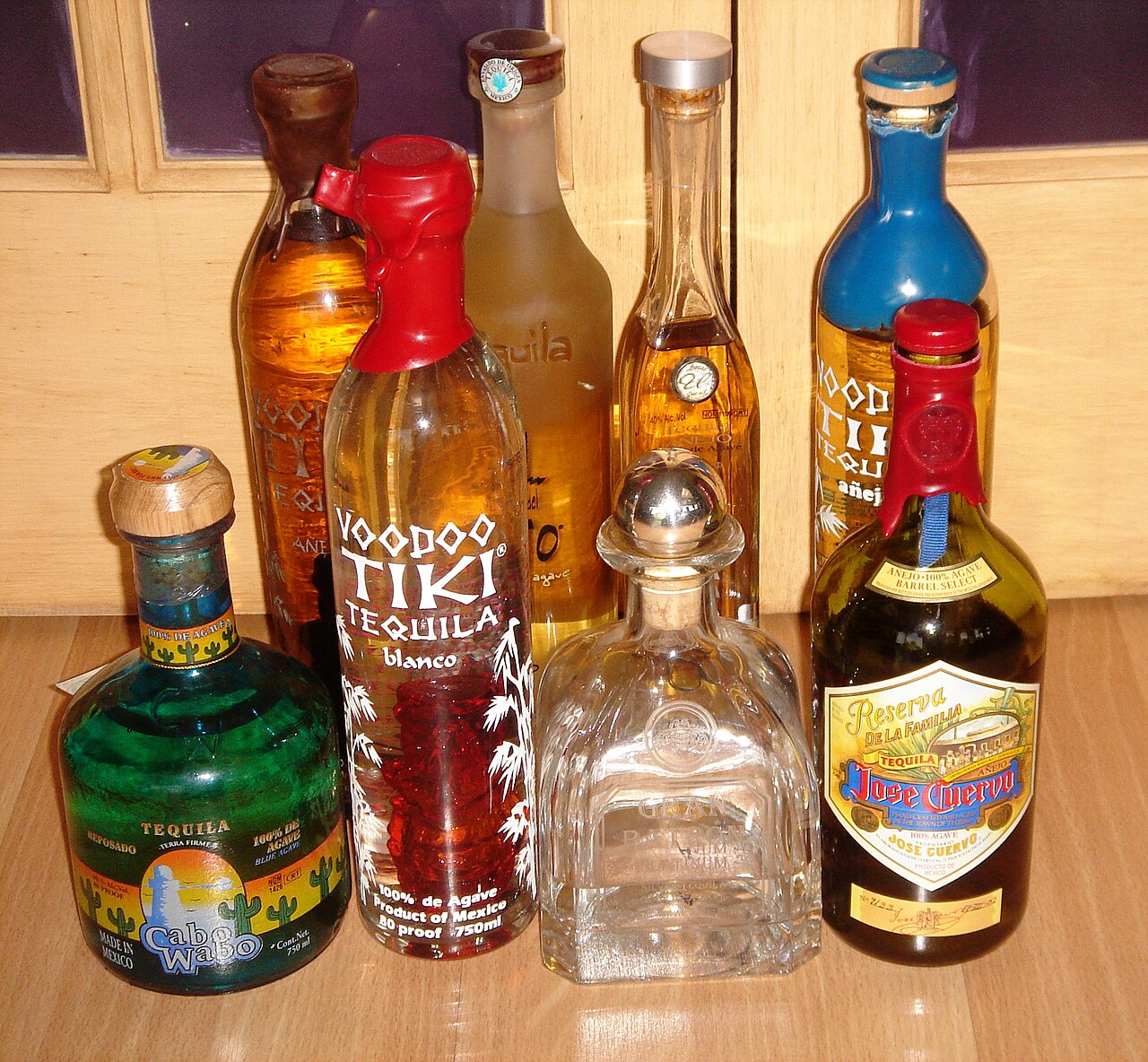





Production and characteristics
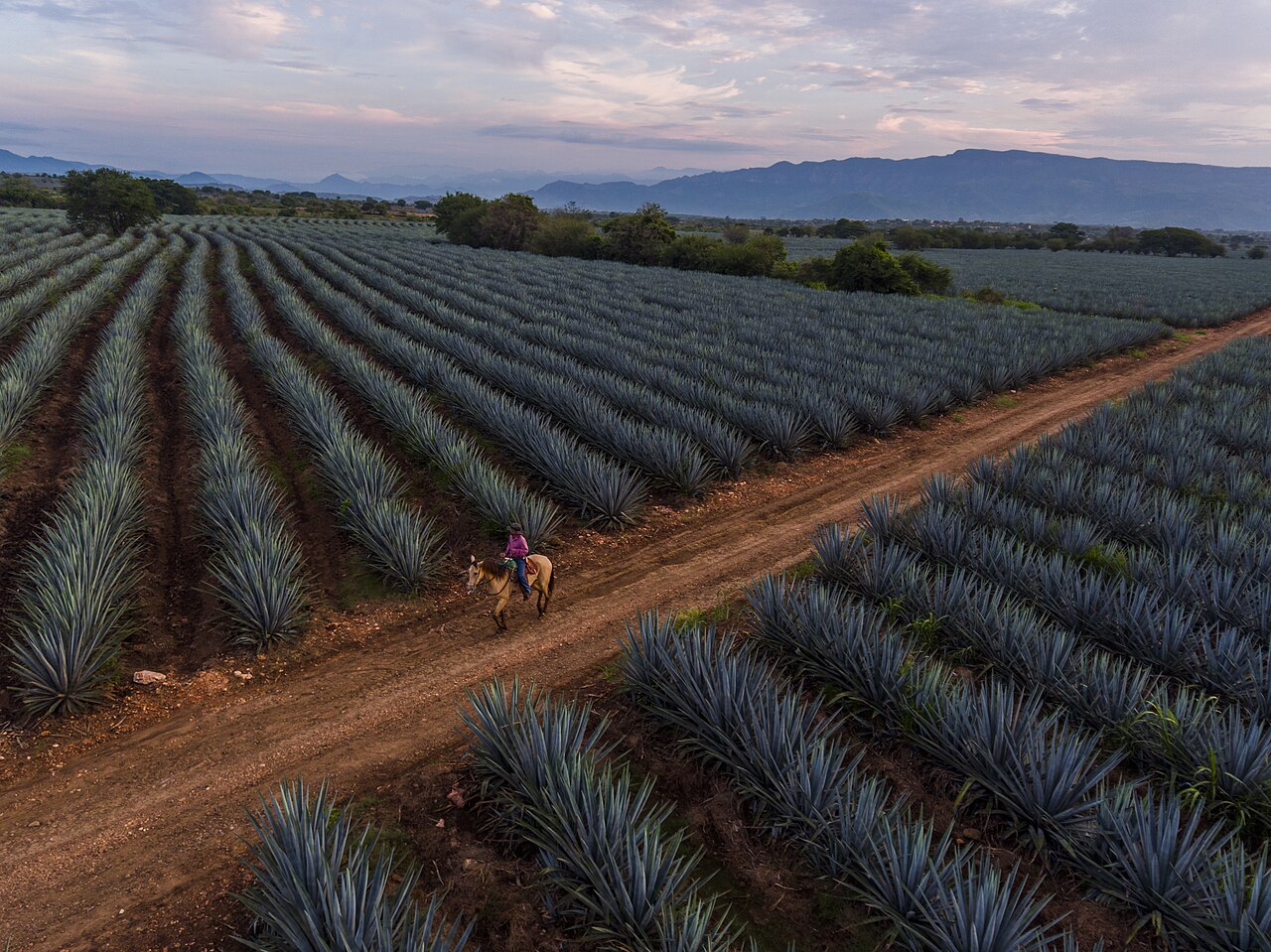
Tequila is produced by harvesting the matured hearts (piñas) of the blue Weber agave, which are cooked to convert inulin into fermentable sugars. The cooked agave is crushed or shredded to extract the sweet juice, which is then fermented and distilled. Producers may perform a single distillation followed by a second distillation; the resulting spirit can be bottled immediately or aged in wooden barrels to develop additional flavors.
Two common labeling distinctions are "100% agave"—made only from agave sugars—and "mixto," where other sugars may have been used. The agave species and production choices shape aroma and taste, from vegetal and herbal notes to caramel and oak in aged expressions. For a general primer on the raw material, see agave, and for technical standards you can consult sources about the spirit's defined Denomination of Origin.
Types and aging categories
- Blanco (silver): Unaged or lightly rested, clear and focused on agave character.
- Reposado: Aged a few months to a year in wood, acquiring mellowing and subtle oak influence.
- Añejo: Aged at least one year, with more pronounced wood and spice notes.
- Extra Añejo: Aged multiple years for deep coloration and complexity.
These categories help consumers choose tequilas for sipping or mixing; younger styles suit cocktails while aged bottles are often recommended for slow tasting.
History, regulation and regional identity
Fermented agave beverages and pulque have a long pre‑Hispanic history in Mexico. Distillation arrived after European contact, and over centuries local techniques evolved into the spirit now called tequila. The name itself refers to a town and municipality in the state of Jalisco, and the spirit's production is legally limited to specific regions of Jalisco and neighboring states under Mexican and international protections. For more context on its origins and legal framework, see resources linked at Mexico spirits and blue agave studies.
Uses, cocktails and tasting
Tequila is versatile: it can be sipped neat, used in classic cocktails such as the Margarita and Tequila Sunrise, or incorporated into contemporary mixology. Common mixed-drink references and recipes are covered in bartending guides and hospitality resources; for popular cocktails see cocktail guides. Tasting typically focuses on aroma, sweetness, herbal or vegetal notes, texture and finish. Cultural uses also include regional celebrations and culinary pairings.
Notable distinctions and facts
Tequila is often compared with mezcal, another Mexican agave spirit; a key difference lies in the agave species used, roasting techniques and regions of production. Commercial bottles usually indicate whether the product is 100% agave or a mixto and list alcohol strength—commonly around 40% ABV—so consumers can make informed choices. For tourism and cultural visits related to tequila production and heritage, activities and trail information are available through official regional resources at Tequila region and educational overviews at alcohol guidelines.
Whether appreciated as a casual mixer or a complex aged spirit, tequila occupies a distinct place in global spirits culture, reflecting both its botanical origins and its regional craftsmanship.
Related articles
Author
AlegsaOnline.com Tequila: Mexican agave spirit — production, types and cultural role Leandro Alegsa
URL: https://en.alegsaonline.com/art/97054