
Thai food: flavors, ingredients, history, and dining customs
Overview of Thai cuisine: its characteristic balance of flavors, key ingredients and dishes, regional variations, dining etiquette, and modern global influence.
Thai food refers to the diverse cooking traditions that developed in what is now Thailand. It is widely known for dynamic contrasts—sweet, sour, salty, bitter and spicy—combined within single dishes to create a lively balance. Meals range from simple street-food snacks to elaborate royal preparations, and they emphasize fresh herbs, aromatic spices, and textures as much as heat.
Image gallery
10 Images




Characteristics and common ingredients
Rather than a single dominant technique, Thai cuisine mixes grilling, stir-frying, steaming, and slow simmering. Key flavoring ingredients include fish sauce, shrimp paste, palm sugar, lime, coconut milk, chilies, garlic, galangal, lemongrass and kaffir lime leaves. Rice, particularly jasmine rice, and rice-based noodles form the staple carbohydrate. Fresh herbs—cilantro, Thai basil, and mint—are used liberally to finish dishes.
Staples and representative dishes
- Staples: jasmine rice, sticky rice, rice noodles, fish sauce, coconut milk.
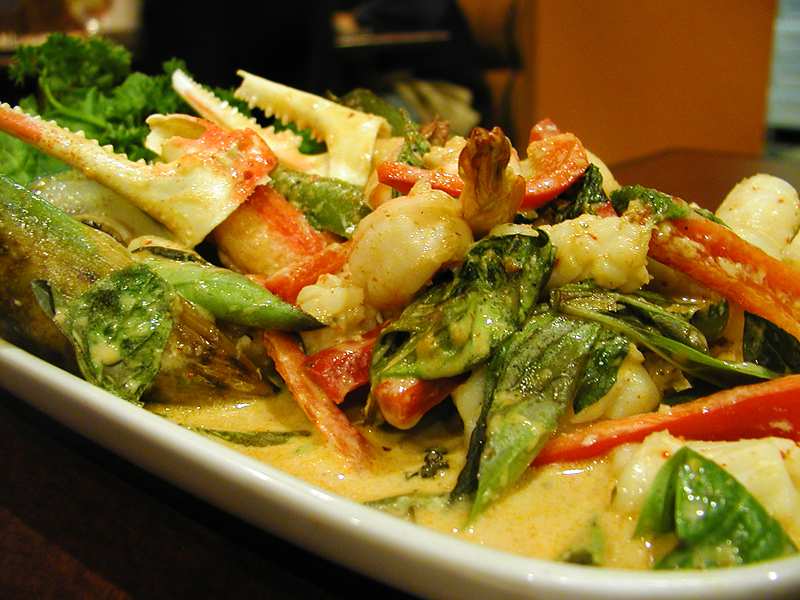
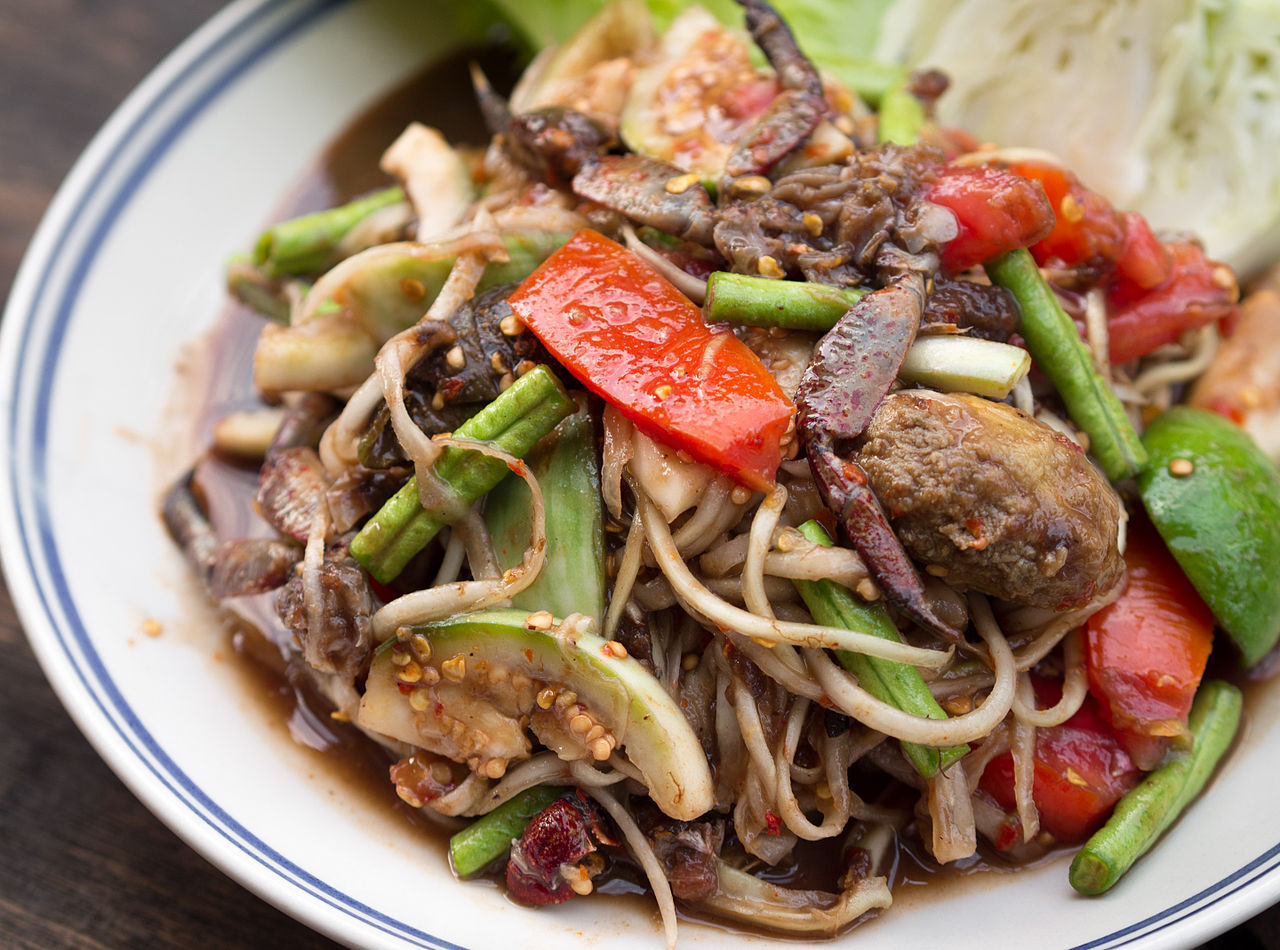
- Familiar dishes: pad Thai, tom yum soup, green and red curries, massaman curry, som tam (papaya salad), khao soi, and mango with sticky rice.
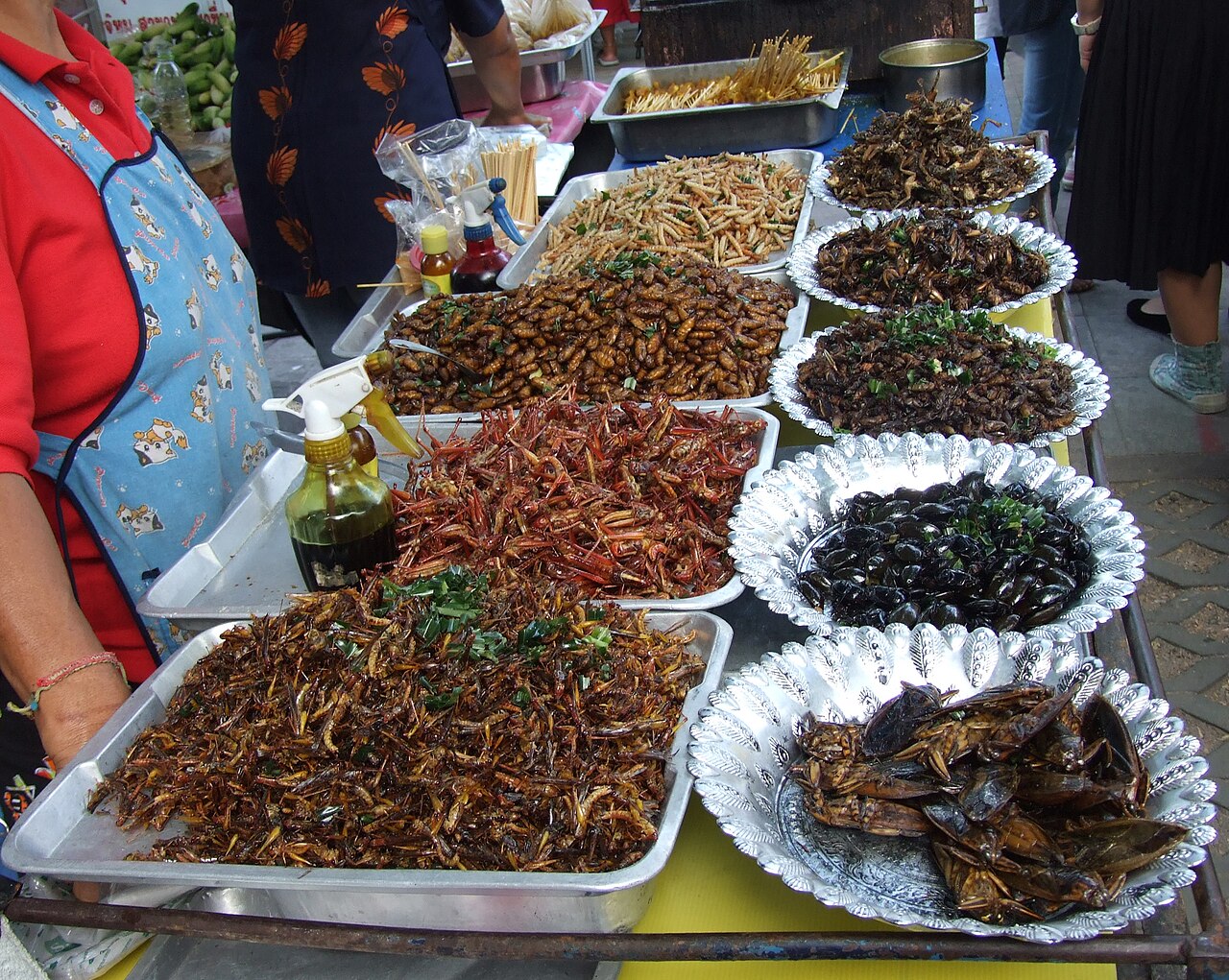
- Street food: grilled meats, satay, noodle soups and quick stir-fries form a large part of everyday eating.
These dishes vary widely by region: Central Thai food is often sweeter and uses rice; Northern cuisine favors milder curries and herbs; Northeastern (Isan) cooking emphasizes grilled meats and fermented fish; Southern food uses more coconut milk and chilies.
History and regional development
Thai cuisine evolved through centuries of internal innovation and external contact. Trade and migration brought influences from Chinese stir-frying and noodles, Indian spices and curries, Malay and Indonesian coconut and chili uses, and—later—European ingredients and techniques. Local climates and agricultural patterns also shaped regional specialties and the prominence of rice, fish, vegetables and tropical fruit.
Dining customs and etiquette
Eating in Thailand is often communal, with several dishes shared so each diner samples a variety of flavors; communal eating remains central to social life and hospitality. Many Thais traditionally avoid wasting rice and may observe cultural respect for the rice goddess (a folkloric figure tied to agrarian life). Utensils are typically a fork and spoon: the fork guides food onto the spoon, while chopsticks are used mainly for some noodle dishes. See notes on table practice and customs at shared dining, utensil use at fork and spoon.
Contemporary importance and global spread
Today Thai food is among the world's most popular cuisines, adapted in restaurants globally and often adjusted for local tastes and spice tolerance. Chefs and home cooks continue to experiment—preserving traditional balancing of flavors while creating fusion dishes, vegetarian versions, and health-conscious reinterpretations. Its accessibility, variety and emphasis on fresh flavors help explain its enduring international appeal.
Related articles
Author
AlegsaOnline.com Thai food: flavors, ingredients, history, and dining customs Leandro Alegsa
URL: https://en.alegsaonline.com/art/97339
Sources
- thaifood.about.com : "Thai Food and Culture"
- pastemagazine.com : "The Essential Dishes of Northern Thai Cuisine"