
Tatura, Victoria: regional centre of the Goulburn Valley
Tatura is a town in Victoria's Goulburn Valley known for dairy processing, irrigation infrastructure, WWII internment heritage and wetlands; it lies near Shepparton and about 167 km north of Melbourne.
Overview
Tatura is a regional town in the Goulburn Valley of north‑central Victoria, Australia, within the City of Greater Shepparton local government area. It lies approximately 167 kilometres north of Melbourne and about 18 kilometres west of the regional centre Shepparton. The town serves as a service and processing centre for the surrounding agricultural region; census counts in the early 2010s recorded a population of roughly 3,600 people.
Image gallery
2 Images
Location and landscape
Tatura is positioned on relatively flat, fertile plains that form part of the Goulburn Valley irrigation district. The district's water supply and channel systems support intensive agriculture in an otherwise temperate environment. Wetlands and small lagoons occur locally; one named reserve is Cussen Park, a wetland area valued for birdlife and passive recreation.
Economy and principal employers
The local economy revolves around agriculture, food processing and water management. Dairy processing and milk products have long been important; several processing plants and milk‑handling facilities are based in and around Tatura. Key organisations and businesses located in the town include corporate offices and processing works for dairy companies, the regional headquarters of the Goulburn‑Murray water authority, engineering consultancies and state agriculture agencies.
- Tatura Milk Industries and other dairy processors
- Goulburn‑Murray Water corporate headquarters (regional water management)
- Engineering and agricultural services, including consultancies
- Multinational food processors have operated local factories — for example, companies such as Unilever have had processing facilities in the broader region.
History and cultural heritage
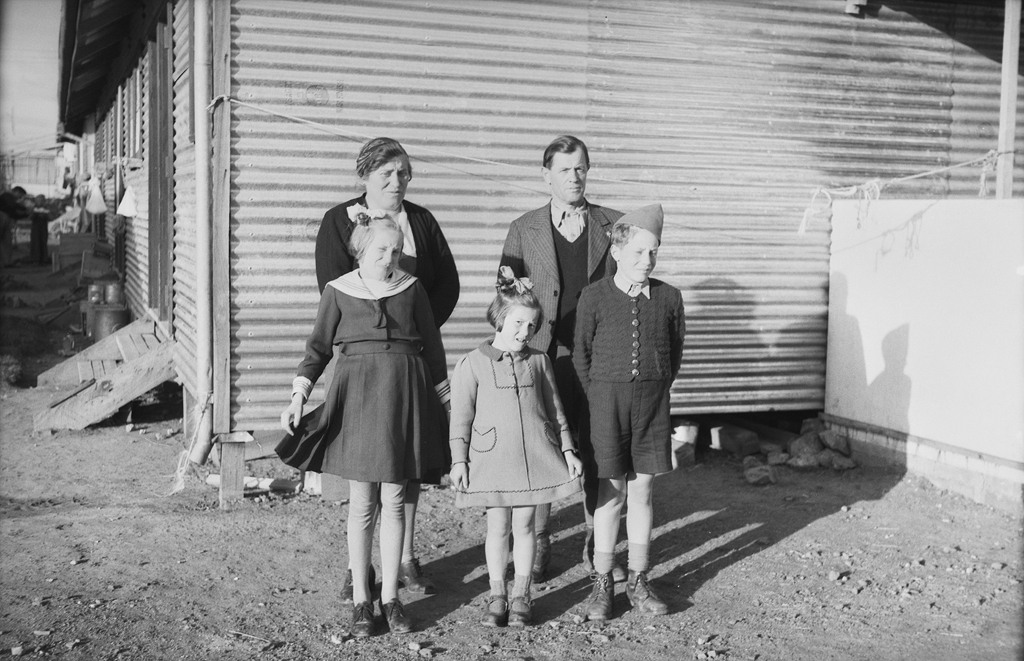
The town's name is taken from an Aboriginal word reported to mean "small lagoon" or a similar natural feature; such place names reflect the wetlands that once characterised parts of the plain. During the 20th century Tatura developed with the expansion of irrigation and rural settlement. During World War II the town was the site of internment and prisoner‑of‑war camps; these camps and their remains are now interpreted and commemorated through signage and local history projects. The wartime heritage is an important, sometimes sensitive, element of Tatura's story.
Attractions and community life
Tatura offers several attractions that reflect its natural and industrial heritage. The Irrigation Museum records the development of water supply and irrigation in the region and its influence on rural life. The Cussen Park wetlands provide opportunities for birdwatching and short walks. Remnants and memorials relating to the WWII internment camps are visited by those interested in military and social history. Community facilities include sporting clubs, local schools and services that support surrounding farms.
Distinctive facts and importance
Tatura illustrates how irrigation transformed parts of inland Victoria into productive agricultural country: water infrastructure, food processing and logistical links turn local farm output into goods for wider markets. Its combination of natural wetland areas, industrial facilities and preserved wartime sites makes the town notable for a range of environmental, economic and historical reasons. For more background on regional context and history see regional references and archives, including resources that explain local Aboriginal place names, irrigation development and wartime records (further information).
Related articles
Author
AlegsaOnline.com Tatura, Victoria: regional centre of the Goulburn Valley Leandro Alegsa
URL: https://en.alegsaonline.com/art/96521
Sources
- censusdata.abs.gov.au : "Tatura"
- tatura.com.au : "Tatura Milk Industries"
- g-mwater.com.au : "Goulburn-Murray Water"