
Taiwan: geography, history, politics, people and economy
Overview of Taiwan (Republic of China): location, political status, history, major cities, population groups, economy and cultural notes for a balanced encyclopedia entry.
Overview
Taiwan, officially the Republic of China, is an island territory in East Asia that plays a prominent role in regional trade, technology and geopolitics. Some states treat Taiwan as a sovereign country, while most international organizations and many governments maintain limited or informal relations because of the People’s Republic of China (PRC) and competing claims. The modern political arrangement follows the relocation of the ROC government to the island after the Chinese civil war.
Image gallery
10 Images


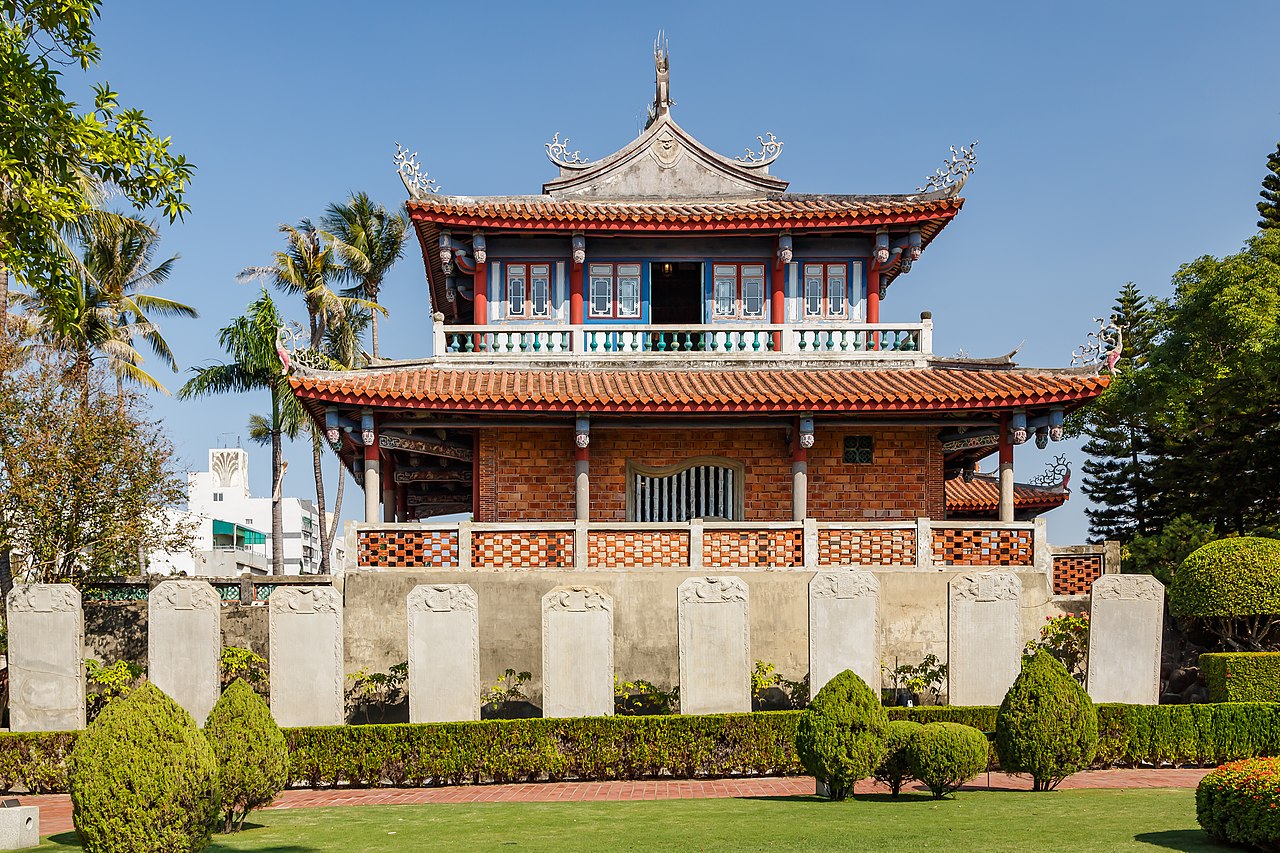


Geography and administrative scope
The territory commonly described as Taiwan comprises the main island of Taiwan together with several smaller island groups and islets, including the Penghu (Pescadores) and certain islands near the coast of Fujian. It lies off the southeastern coast of the Asian mainland, south of Japan and north of the Philippines. The capital city is Taipei, located in the northern part of the island, while other major urban centers include Kaohsiung, Taichung and Tainan.
Political status and international relations
Taiwan’s international position is distinctive: it operates as a self-governing polity with its own constitution, government institutions, armed forces and currency, yet its formal diplomatic recognition is limited. The seat that once represented the Republic of China at the United Nations was transferred to the PRC in 1971, which altered many international arrangements. Many countries maintain unofficial relations through representative offices and pragmatic cooperation in trade, science and cultural exchange.
History and development
The island’s history includes indigenous Austronesian communities present for millennia, periods of European contact and colonization, rule by the Qing dynasty, and a half-century of Japanese administration that ended in 1945. After the Second World War the government of the Republic of China established authority on the island, and in subsequent decades Taiwan industrialized rapidly and developed a vibrant democratic political system with competitive elections.
People, languages and society
The population is ethnically diverse. The majority identify as Han Chinese, commonly grouped into subcommunities such as the Hoklo or Southern Fujianese, the Hakka, and those whose families arrived from Mainland China after 1945. There are also distinct Indigenous peoples with Austronesian roots who maintain unique languages and cultures. Mandarin is the official language, while local dialects and languages remain widely used in daily life and media.
Economy, culture and significance
Taiwan has developed a high-income, export-oriented economy notable for manufacturing, electronics and semiconductor production. Its companies and research institutions are important in global technology supply chains, and the island is often cited as a leading producer of advanced chips. Culturally, Taiwan blends Chinese, indigenous and international influences; it is known for its festivals, cuisine, cinema and vibrant civil society. The historical name Formosa — meaning "beautiful" in Portuguese — still appears in historical contexts and popular usage.
Notable facts and distinctions
- Taiwan maintains a distinct legal and administrative system from the PRC and conducts its own domestic and international economic policies.
- Its democratic institutions and press freedom have been prominent features since the late 20th century.
- The island’s strategic location has made it a focus of regional security discussions and international diplomacy.
For concise introductions and official materials, readers can consult government, academic and reputable media sources via representative portals and offices; many such resources are described through formal and informal channels around the world.
Questions and answers
Q: What is the official name of Taiwan?
A: The official name of Taiwan is the Republic of China (ROC).
Q: How is Taiwan officially recognized by some countries?
A: Some countries recognize Taiwan as a country in East Asia.
Q: When did the Republic of China move to the island of Taiwan?
A: The Republic of China moved to the island of Taiwan after a Chinese civil war in 1949.
Q: What replaced the ROC at the United Nations in 1971?
A: The People's Republic of China (PRC) replaced the ROC at the United Nations in 1971.
Q: What does "Formosa" mean in Portuguese?
A: Formosa means "beautiful" in Portuguese.
Q: Who are most people living in Taiwan?
A: Most people living in Taiwan are Han.
Q: What are two major cities located on Taiwan?
A: The two major cities located on Taiwan are Taipei and Kaohsiung.
Related articles
Author
AlegsaOnline.com Taiwan: geography, history, politics, people and economy Leandro Alegsa
URL: https://en.alegsaonline.com/art/95953
Sources
- gio.gov.tw : "Yearbook 2004"
- britannica.com : "Taiwan (self-governing island, Asia)"
- cia.gov : Taiwan
- gio.gov.tw : "The ROC's Humanitarian Relief Program for Afghan Refugees" · web.archive.org
- gio.gov.tw : "Taiwanese health official invited to observe bird-flu conference"
- geography.about.com : "Demonyms – Names of Nationalities"
- sowf.moi.gov.tw : "Number of Villages, Neighborhoods, Households and Resident Population"
- imf.org : "Republic of China (Taiwan)"
- win.dgbas.gov.tw : "Table 4. Percentage Share of Disposable Income by Quintile Group of Households and Income Inequality Indices"
- eng.stat.gov.tw : Report on The Survey of Family Income and Expenditure
- dgbas.gov.tw : dgbas.gov.tw/public/Attachment/11715383471.doc
- brussels38.icann.org : "ICANN Board Meeting Minutes"
- en.wikinews.org : en.wikinews.org/wiki/Taiwan's_legislature_first_in_Asia_to_legalize_same-sex_marriage
- brookings.edu : "Taiwan's UN Dilemma: To Be or Not To Be"