
North Region (Região Norte) — Brazil's Amazon-dominated area
Largest of Brazil's five regions, covering roughly 45% of the country and dominated by the Amazon Basin; noted for vast rainforest, low population density, major rivers and rich biodiversity.
Overview
The North Region of Brazil (Região Norte) is one of the country's five official geographic regions. It is the largest by area — covering about 45.27% of Brazil's territory — and at the same time the least densely populated. Much of the region lies within the Amazon Basin and is characterized by extensive tropical rainforest, large river systems and exceptional biodiversity. For administrative and statistical purposes it is recognized as a distinct region within Brazil's federal framework (regional overview).
Image gallery
10 Images

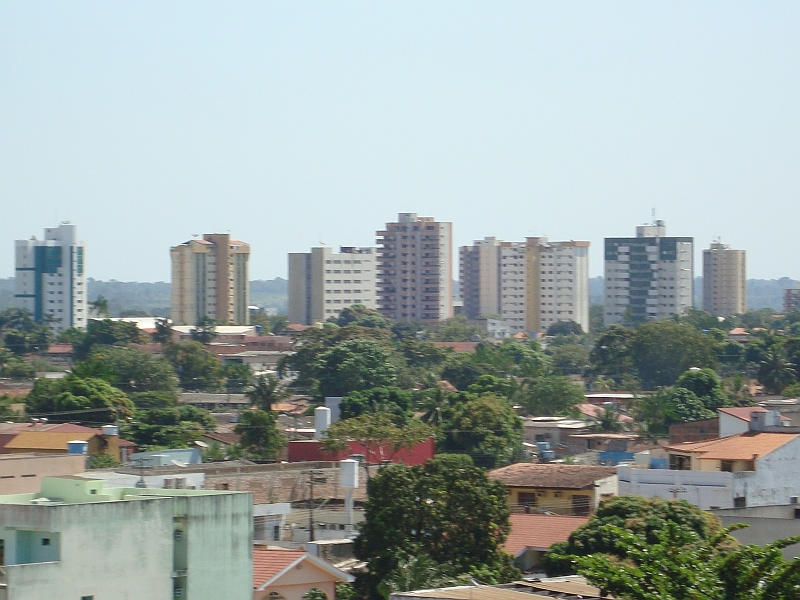


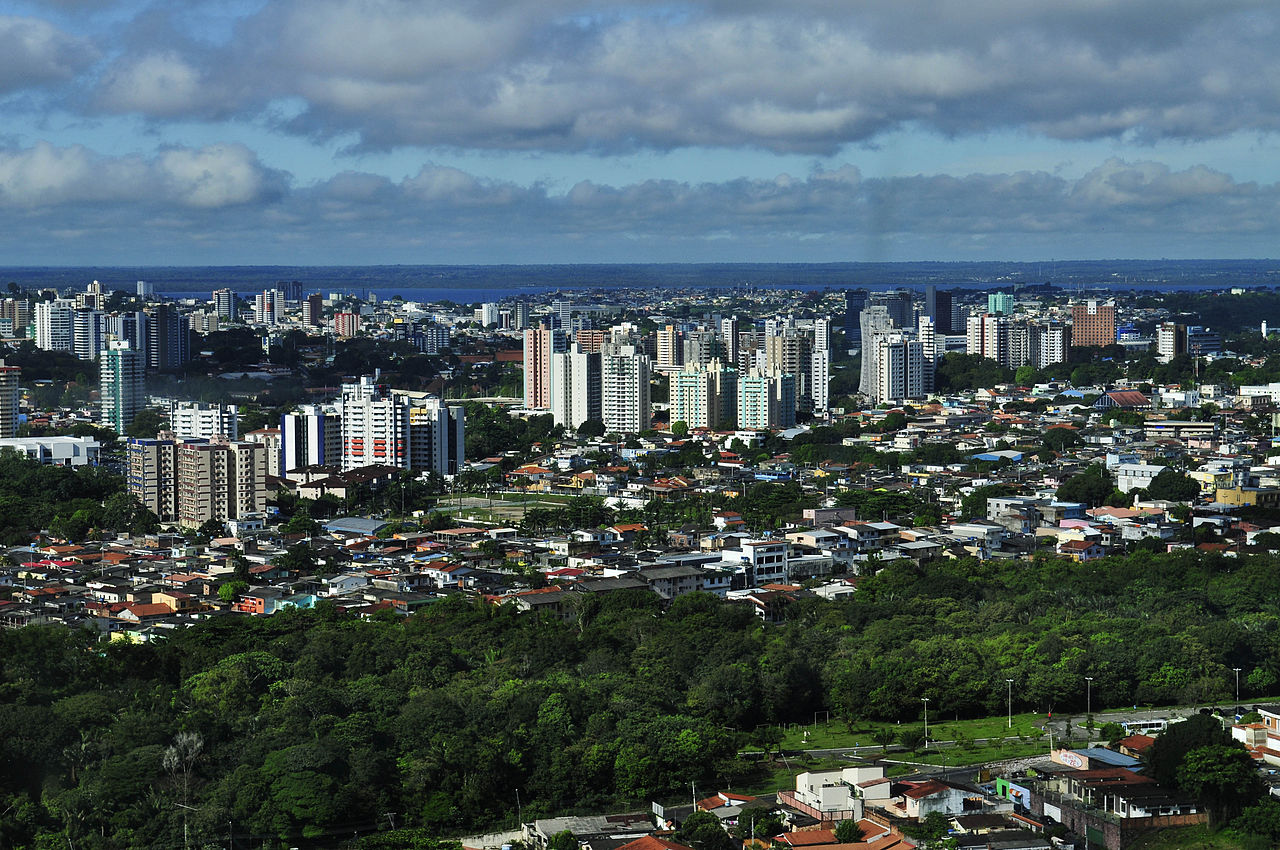


Geography and environment
The North's landscape is dominated by lowland rainforest, seasonally flooded forests and vast river channels. The Amazon River and its tributaries shape the region's hydrology, ecology and human settlement patterns. Climate is equatorial in much of the area, with high humidity, abundant rainfall and little seasonal temperature variation. Its ecosystems are among the most species-rich on Earth and provide critical global ecological services — including carbon storage and regulation of regional climate.
Administrative divisions and major features
- States: the region comprises several states including Amazonas, Pará, Acre, Rondônia, Roraima, Amapá and Tocantins; each has distinct landscapes and economic profiles (state list).
- Major rivers: Amazon, Rio Negro, Madeira and Tapajós are principal waterways that support transport, fisheries and local economies (river systems).
Principal cities such as Manaus and Belém act as regional hubs for commerce, industry and river transport. Manaus, for example, hosts a major free trade zone and an industrial complex that contrasts with the surrounding rainforest.
History, peoples and economy
Human presence in the North predates European contact, with numerous Indigenous peoples maintaining distinct languages and traditions. Colonial and republican periods brought extractive enterprises — rubber tapping, timber and later mining — which shaped settlement and infrastructure. Today the region's economy mixes extractive activities, agribusiness fronts, hydroelectric projects and ecotourism, alongside traditional subsistence livelihoods.
Importance and challenges
The North is globally important for biodiversity and climate regulation but faces pressing challenges: deforestation, land-use conflicts, infrastructure gaps and socio-economic disparities. Conservation efforts, sustainable development initiatives and Indigenous land rights are central themes in regional policymaking. For further reading on demographic and environmental statistics see official summaries (data sources).
Questions and answers
Q: What is the North Region of Brazil?
A: The North Region of Brazil is one of the five geographical subdivisions of Brazil.
Q: What is the population density of the North Region of Brazil?
A: The North Region of Brazil is the least inhabited region of the country and has the lowest population density.
Q: What percentage of the national territory does the North Region of Brazil correspond to?
A: The North Region of Brazil corresponds to 45.27% of the national territory.
Q: Is the North Region of Brazil densely populated?
A: No, the North Region of Brazil is the least inhabited region of the country and has the lowest population density.
Q: What is the size of the North Region of Brazil compared to other regions?
A: The North Region of Brazil is the largest region in Brazil.
Q: What language do people speak in the North Region of Brazil?
A: The people in the North Region of Brazil speak Portuguese.
Q: What are some of the landmarks or tourist attractions in the North Region of Brazil?
A: Some popular tourist attractions in the North Region of Brazil include the Amazon River, Manaus, and the Roraima mountain.
Related articles
Author
AlegsaOnline.com North Region (Região Norte) — Brazil's Amazon-dominated area Leandro Alegsa
URL: https://en.alegsaonline.com/art/70937
Sources
- commons.wikimedia.org : North Region of Brazil
- saladeimprensa.ibge.gov.br : "Geociências: IBGE revê as altitudes de sete pontos culminantes"
- peakbagger.com : "Pico da Neblina, Brazil"
- peakbagger.com : "Brazil State High Points"
- tools.wmflabs.org : 3°07′45″S 60°01′17″W / 3.12917°S 60.02139°W / -3.12917; -60.02139