
Frank Lloyd Wright: Architect of Organic Architecture and the Prairie School
Profile of Frank Lloyd Wright, the influential American architect behind organic architecture and the Prairie School; examines his major works (including Fallingwater), Usonian houses, design philosophy, and lasting legacy.
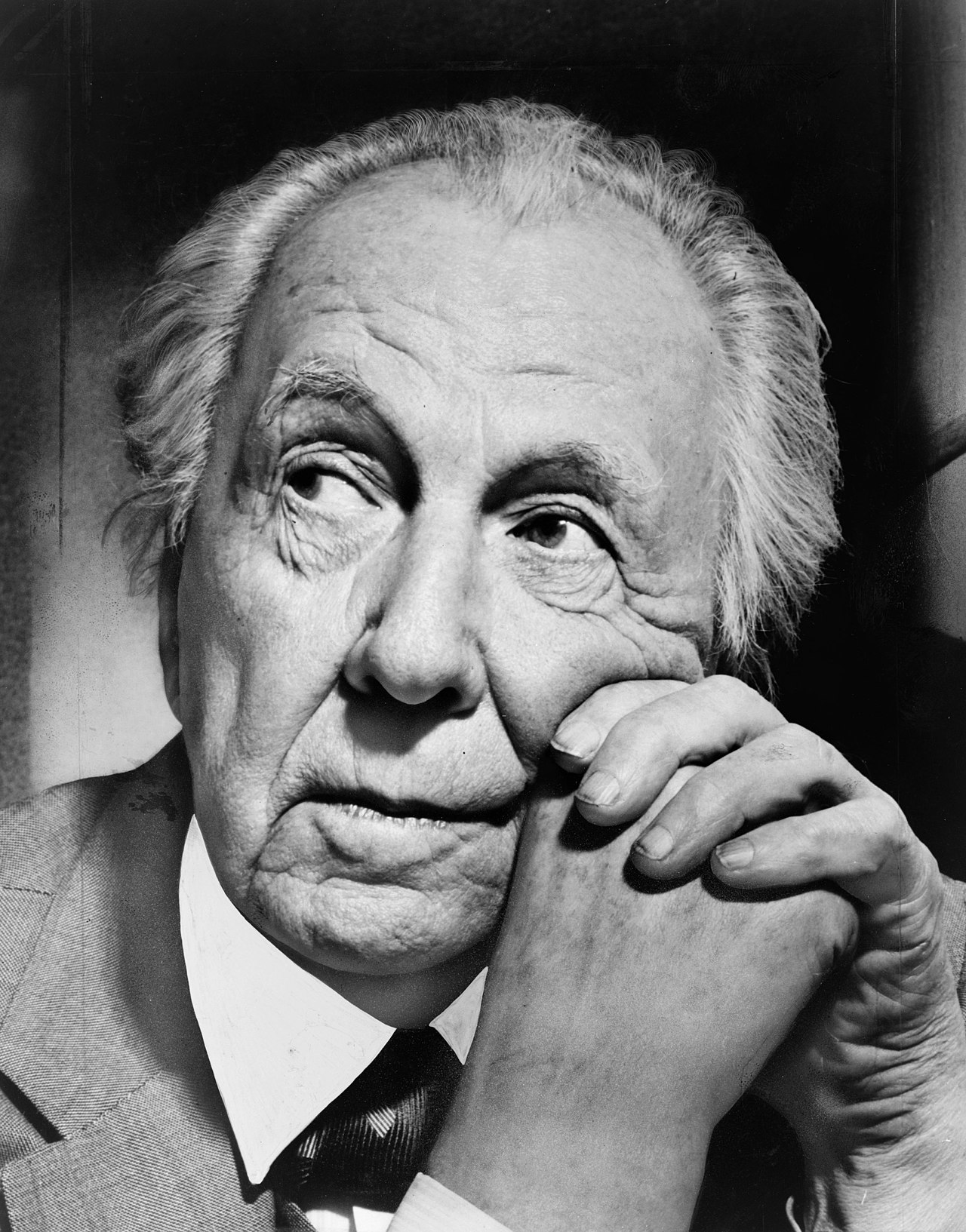
Frank Lloyd Wright (born Frank Lincoln Wright; June 8, 1867 – April 9, 1959) was an influential American architect whose career spanned more than seven decades. He produced a large body of work that left a lasting mark on 20th‑century architecture.
Image gallery
10 Images


Work and style
Wright designed a wide variety of building types, from private houses to commercial and institutional projects. His output included banks, resorts, office buildings and churches, as well as less typical commissions such as a synagogue, a gas station, a beer garden and a museum for art.
He developed a philosophy he called organic architecture: an approach that sought harmony or peace between built form and its users. Wright emphasized relationships among people, built space and the larger natural world, aiming to serve humanity while respecting the environment.
Notable projects and movements
Wright is well known for Fallingwater (1935), a house dramatically sited over a waterfall that has been praised as one of the great achievements of American architecture. He was a leading figure in the Prairie School and later promoted his compact, affordable Usonian houses and ideas for urban planning, intended to respond to conditions in the United States.
Over the course of his life he drew up plans for more than 1,000 structures and saw 532 of them built.
Design details
Wright often conceived not only the building envelope but also interior fittings and furnishings. He produced custom furniture, fixtures and decorative elements, and he designed many of the stained glass windows that appear in his works.
Early life
Wright was born in Richland Center, Wisconsin, into a family with a farming background. His early years and surroundings influenced his lifelong interest in integrating buildings with their sites.
Public presence and controversy
Wright wrote extensively—authoring some 20 books and numerous articles—and frequently gave public lectures. He traveled to and spoke in Europe, which helped spread his ideas internationally. His private life at times generated sensational headlines, most notably the 1914 fire and murders at his Taliesin studio, an event that cast a long shadow over his biography.
Recognition and death
Already a prominent figure during his lifetime, Wright’s reputation endured after his death. In 1991 the American Institute of Architects named him "the greatest American architect of all time."
Wright died on April 9, 1959, in Phoenix, Arizona, following complications from a surgical procedure. He was 91 years old.
Questions and answers
Q: Who was Frank Lloyd Wright?
A: Frank Lloyd Wright was a famous American architect from the early 20th century who designed all kinds of buildings including banks, holiday resorts, office buildings, churches, a synagogue, a gas station, a beer garden and an art museum. He believed in designing structures which were in peace with humanity and its environment and is said to be one of the greatest architects of the twentieth century.
Q: What did Wright call his belief about architecture?
A: Wright called his belief organic architecture.
Q: What is Fallingwater?
A: Fallingwater is a design by Wright which has been called "the best all-time work of American architecture". It was created using his technique for organic architecture.
Q: Where was Wright born?
A: Wright was born in Richland Center, Wisconsin on June 8, 1867 to a farming family.
Q: What did he design besides buildings?
A: Besides buildings, Wright also designed many of the interior elements of his buildings such as furniture and stained glass. He authored 20 books and many articles and was a popular lecturer in the United States and in Europe.
Q: How old was he when he died?
A: Wright died on April 9, 1959 at age 91 from surgical complications in Phoenix Arizona.
Related articles
Author
AlegsaOnline.com Frank Lloyd Wright: Architect of Organic Architecture and the Prairie School Leandro Alegsa
URL: https://en.alegsaonline.com/art/119151
Sources
- delmars.com : "Wright on the Web: The Early Years"
- delmars.com : "Wright on the Web: The Fifties"
- pbs.org : "Frank Lloyd Wright . Life and Work"
- businessweek.com : "Frank Lloyd Wright: America's Architect"
- wrightplus.org : "About Frank Lloyd Wright"
- browsebiography.com : "Frank Lloyd Wright biography"
- nytimes.com : "Frank Lloyd Wright Dies; Famed Architect Was 89"
- mannmuseum.com : "Frank Lincoln Wright. American Literature"
- historicmadison.org : "Frank Lloyd Wright"
- peoplefam.com : "Biography of Frank Lloyd Wright"
- phideltatheta.org : "Phi Delta Theta list of Famous Phis"
- thomaskellner.com : "Thomas Kellner-Photography in Art: Wright, Frank Lloyd"
- bolender.com : "Frank Lloyd Wright and Paul Mueller: the architect and his builder of choice"
- doi.org : 10.1017/S1359135503002112
- worldhistoryproject.org : "Frank Lloyd Wright Works for Adler & Sullivan"