
Tatami: Traditional Japanese Floor Mats — Construction, History, and Uses
Tatami are rectangular Japanese floor mats with woven straw surfaces and straw or modern cores. They serve functional and cultural roles in architecture, room measurement, seating, and ritual practices.
Tatami are traditional Japanese floor mats that form the characteristic surface of many domestic and ceremonial rooms. A tatami is an individual rectangular mat with a woven top layer traditionally made from rush (igusa), a core originally of compressed rice straw, and cloth or brocade edging. Tatami define how spaces are used in Japan: they influence furniture arrangement, etiquette, and the feel of an interior. Many descriptions classify tatami under broader categories of Japanese flooring.
Image gallery
10 Images


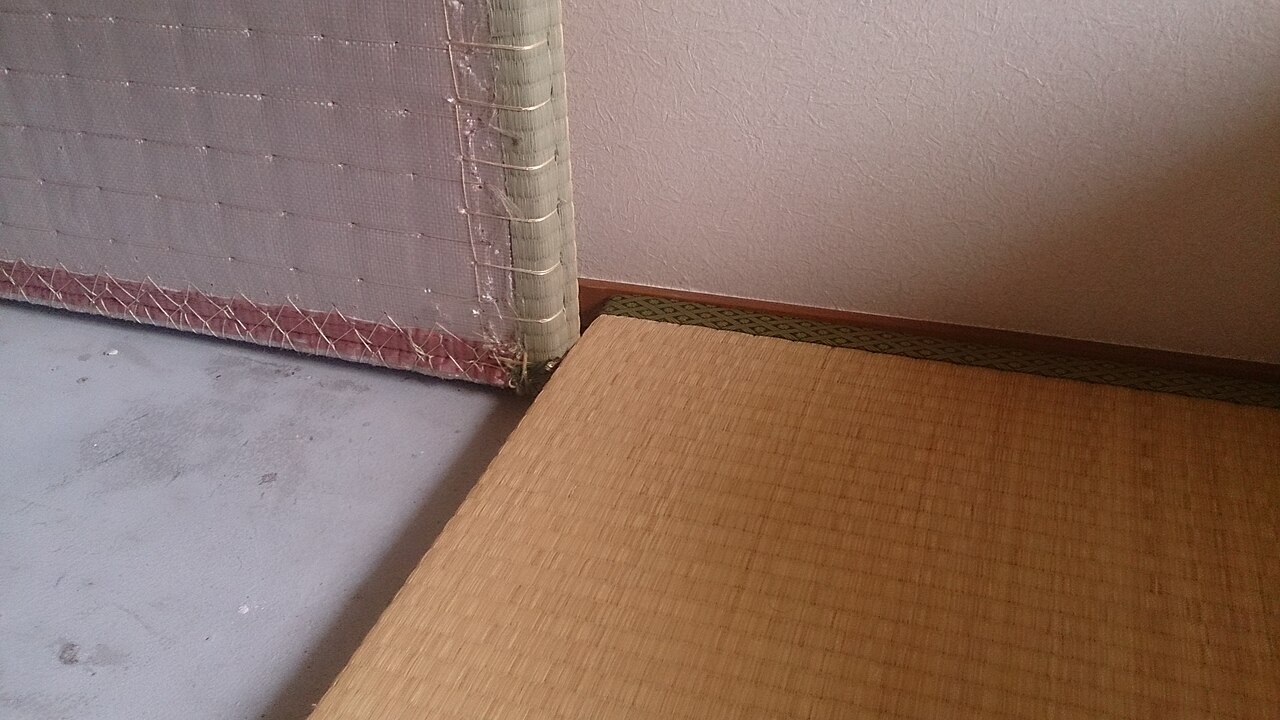


Construction and characteristics
Typical tatami have a top face of tightly woven rush; this surface is valued for its texture, natural scent, and moisture-regulating properties. The edges, called heri, are strips of fabric or brocade sewn around the long sides and can be plain or decorative. Traditional cores were packed with rice straw, which gave resilience and insulation. Modern productions often use compressed fiberboard, foam, or polystyrene cores to reduce weight and cost while retaining the familiar surface. Tatami are made in standardized rectangular shapes, though exact dimensions and aspect ratios vary by region and historical period.
History and social development
Originally reserved for elite rooms, tatami were once a luxury covering placed atop raised platforms in palaces and temples. Over several centuries they became more common and eventually widespread in ordinary dwellings. By the late 17th century tatami had reached the homes of many commoners, transforming domestic interiors and everyday practices. Their spread is tied to broader architectural and social changes in premodern and early modern Japan.
Uses, cultural importance, and arrangements
Tatami determine how rooms are used: people traditionally remove shoes before stepping on them, sit or kneel directly on the mat (for example in seiza posture), and sleep on futons laid atop the tatami. The size of rooms is often expressed by the number of tatami they accommodate, a unit still used in real estate descriptions. Many ritual spaces such as tea rooms rely on specific tatami layouts and proportions to create an intended atmosphere.
Care, variations, and notable facts
Proper care helps tatami last: regular airing and drying prevent mold, avoiding prolonged dampness preserves the rush and core, and light sweeping or gentle vacuuming removes dust. Over time tatami wear and are replaced; modern options include vinyl-faced mats and synthetic cores that withstand humidity and heavy use. Distinctions to note include traditional straw-core versus contemporary synthetic-core tatami, regional size standards, and decorative versus plain heri. For further practical and cultural context, readers can consult resources on woven rush (igusa) and historical studies of interior flooring.
- Parts: woven surface, core (straw or modern materials), cloth edging (heri).
- Common uses: sitting, sleeping (with futon), tea ceremony, room measurement.
- Care tips: air regularly, avoid moisture, replace when compressed or damaged.
Questions and answers
Q: What are tatami mats made of?
A: Tatami mats are made of woven straw, although nowadays some are packed with styrofoam.
Q: What is the traditional filling for tatami mats?
A: The traditional filling for tatami mats is straw.
Q: What are the borders of tatami mats made of?
A: The borders of tatami mats are made of brocade or plain green cloth.
Q: Who were tatami mats originally a luxury item for?
A: Tatami mats were originally a luxury item for the rich at a time when lower classes had mat-covered dirt floors.
Q: When did tatami mats become popular among commoners?
A: Tatami mats gradually became popularized and finally reached the homes of commoners towards the end of the 17th century.
Q: Are tatami mats sold as individual mats or as rolls of flooring?
A: Tatami mats are sold as individual mats with a uniform size and shape.
Q: What are some modern alternatives to straw filling for tatami mats?
A: Some modern alternatives to straw filling for tatami mats include styrofoam.
Related articles
Author
AlegsaOnline.com Tatami: Traditional Japanese Floor Mats — Construction, History, and Uses Leandro Alegsa
URL: https://en.alegsaonline.com/art/96493
Sources
- yoshinoantiques.com : "The Yoshino Newsletter"
- kcif.or.jp : "Kyoto International Community House Newsletter"