
Battle of Rhandeia (autumn 62 CE)
A decisive engagement in autumn 62 CE between a Parthian‑Armenian force and a Roman army under Lucius Caesennius Paetus, leading to Roman surrender and a diplomatic compromise over the Armenian throne.
Overview
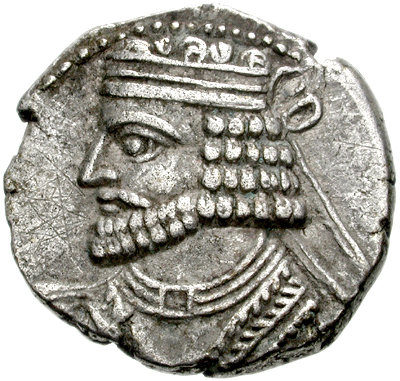
The Battle of Rhandeia was fought in the autumn of 62 CE between Roman forces and a coalition of Parthian and Armenian troops. The clash arose from a long‑running rivalry between the Roman Empire and the Parthian Empire over influence in Armenia. Roman legions commanded by Lucius Caesennius Paetus were defeated and compelled to capitulate to the Parthian‑Armenian army led by Tiridates, a brother of the Parthian king Vologases I.
Image gallery
2 Images
Background and causes
The struggle for Armenia followed a pattern of dynastic interference and local resistance. Parthia sought to restore an Armeno‑Parthian ruler, while Rome aimed to preserve or install kings friendly to its interests. In 58 CE Vologases I supported his brother Tiridates to become ruler of Armenia, ousting a Roman‑backed claimant. Rome sent forces to reverse this, and tensions escalated into military confrontation. The situation combined dynastic rivalry, regional security concerns, and the prestige politics of both empires.
Forces and commanders
- Roman side: led by the governor Lucius Caesennius Paetus; composed primarily of legionary detachments and auxiliary units, operating in difficult terrain and winter weather.
- Parthian‑Armenian side: commanded by Tiridates with support from Parthian horsemen and Armenian cavalry, favoring mobility and mounted tactics.
Course of the battle
At Rhandeia Roman units were isolated and inadequately supported. The Parthian‑Armenian forces used superior cavalry maneuvering to threaten the Roman camp and supply lines. Unable to maintain position or secure relief, Paetus negotiated terms and surrendered his force. Ancient sources describe the episode as an embarrassing setback for Rome, although subsequent Roman commanders worked to recover honor and influence in the region.
Consequences and settlement
The immediate result was the establishment of Tiridates as king of Armenia under Parthian patronage. Rome later pursued a diplomatic settlement rather than prolonged war: an agreement recognized Tiridates on the Armenian throne while creating a ceremonial acknowledgement of Roman authority. This compromise—often associated with later negotiations and the visit of Tiridates to Rome—allowed both empires to claim success without renewed large‑scale fighting.
Significance and historical notes
The defeat at Rhandeia highlighted limits to Roman military reach in the east and the effectiveness of Parthian cavalry tactics. It produced a political solution that became a model for future frontier diplomacy. For further context see accounts that discuss Roman‑Parthian rivalry, the role of Vologases I, and the later diplomatic episodes involving Nero and the Roman general Corbulo: Armenia in antiquity, Parthian foreign policy, Rome's eastern frontier. For more on the principal figures: Tiridates I, Vologases I, Tigranes and Roman client kings, and Lucius Caesennius Paetus.
Related articles
Author
AlegsaOnline.com Battle of Rhandeia (autumn 62 CE) Leandro Alegsa
URL: https://en.alegsaonline.com/art/9542