
Tigranes the Great (Tigranes II) — King of Armenia, c. 95–55 BCE
Tigranes II, called Tigranes the Great, ruled the Artaxiad kingdom c.95–55 BCE. He built a Hellenistic, multiethnic state, expanded into Anatolia and Syria, fought Rome and Parthia, and left a contested but enduring legacy.
Overview
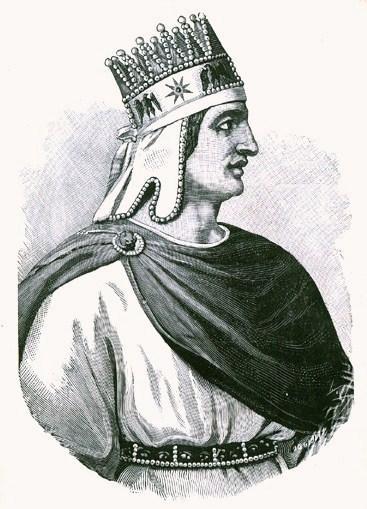
Tigranes II, commonly known as Tigranes the Great (c. 140–c. 55 BCE), was the most prominent ruler of the Artaxiad dynasty. During his reign, conventionally dated c.95–55 BCE, the Armenian kingdom reached its greatest recorded territorial extent and international influence in the late Hellenistic age. Contemporary Greek and Roman writers, later Armenian chroniclers, and modern historians all emphasize his energetic foreign policy, his city-building and coinage, and his role as a major actor in the shifting balance of power between the successor states in the Near East, Parthia and the rising Roman Republic.
Image gallery
7 Images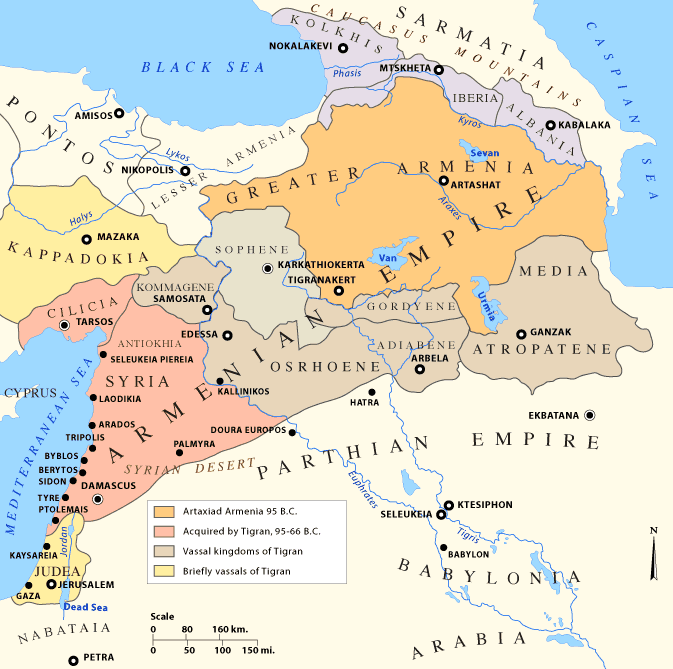


Origins and accession
Accounts of Tigranes’ early life are fragmentary and sometimes contradictory. He belonged to the Artaxiad dynasty and is variously described in ancient sources as the son or nephew of earlier Artaxiad rulers. He appears as a prince who consolidated his position amid dynastic rivalry and adopted many Hellenistic court practices common among the monarchs of the region. By the time he assumed full kingship he had developed the diplomatic and military capacity to pursue an ambitious program of expansion.
Expansion, administration and urban policy
Tigranes pursued an aggressive expansionist policy that exploited the decline of Seleucid power. For a period his influence extended into eastern Anatolia, parts of northern Mesopotamia and Syria, and he exerted suzerainty over a number of client rulers. He adopted the grand royal style including the traditional Middle Iranian-influenced epithet often translated as "King of Kings," a title signaling overlordship of tributary princes.
- Founded or refounded cities in a Hellenistic urban model and promoted commercial life.
- Founded a new royal capital often called Tigranocerta in literary sources and favored urban development as a means to project power.
- Issued coinage mixing Armenian, Iranian and Hellenistic iconography and inscriptions.
Wars with neighbouring powers
Tigranes’ foreign policy brought him into collision with several great powers. He formed a close alliance by marriage with Mithridates VI of Pontus, and the combined interests of Armenia and Pontus challenged Roman moves in the eastern Mediterranean. Roman campaigns in the 1st century BCE, led initially by Lucullus and later by Pompey, reversed many of Tigranes’ western gains. Roman armies defeated allied Pontic and Armenian forces in several engagements, captured or devastated some of his cities, and compelled him to abandon territories west of the Euphrates.
Relations with the Parthian state were complex: at times antagonistic, at times pragmatic. Parthia represented another regional power whose pressures and rivalries shaped Armenian policy. Despite military setbacks, Tigranes was able to negotiate terms that permitted him to remain on the Armenian throne, albeit with diminished autonomy in the westernmost parts of his realm.
Culture, coinage and administration
Under Tigranes the court displayed a mixture of Armenian, Iranian and Hellenistic cultural elements. Greek language and urban institutions were employed alongside local traditions. His coinage and surviving contemporary descriptions suggest an effort to present Armenia as a civilized and dynastic state with international standing. The royal treasury financed building projects, fortifications and the relocation of populations into new urban centers to strengthen economic and defensive capacity.
Later years, death and succession
After military reverses and diplomatic pressure from Rome Tigranes retreated to the Armenian highlands and continued to rule as a client or dependent king within a narrower territorial base. Ancient sources place his death around 55 BCE. He was succeeded by a member of the Artaxiad house, who continued to govern under the changing conditions imposed by Roman and Parthian influence in the region.
Legacy and historiography
Tigranes the Great occupies an important place in both Armenian memory and classical historiography. Armenian tradition celebrates him as a national monarch who brought power and prestige to the kingdom, while Greek and Roman authors often frame his career through the lens of their conflicts with his armies. Modern scholarship debates the precise extent and administrative coherence of his empire, the degree of direct control he exercised over distant provinces, and the long-term effects of his urban and monetary policies. Archaeological research continues to refine our understanding of his capitals, fortifications and the material culture of his reign.
Related articles
Author
AlegsaOnline.com Tigranes the Great (Tigranes II) — King of Armenia, c. 95–55 BCE Leandro Alegsa
URL: https://en.alegsaonline.com/art/99842