
Susquehanna River: geography, history, ecology, and uses
A comprehensive overview of the Susquehanna River — its course, branches, history, ecology, human uses, and notable distinctions across New York, Pennsylvania and Maryland.
The Susquehanna River is a large river in the eastern United States that flows from upstate New York through Pennsylvania into Maryland, emptying into the Atlantic Ocean via the Chesapeake Bay. At about 464 miles in length it is among the longest rivers on the U.S. East Coast and carries a substantial watershed that ranks it high among American rivers by drainage area. The river has played a central role in regional settlement, transportation and ecology for centuries.
Image gallery
10 Images


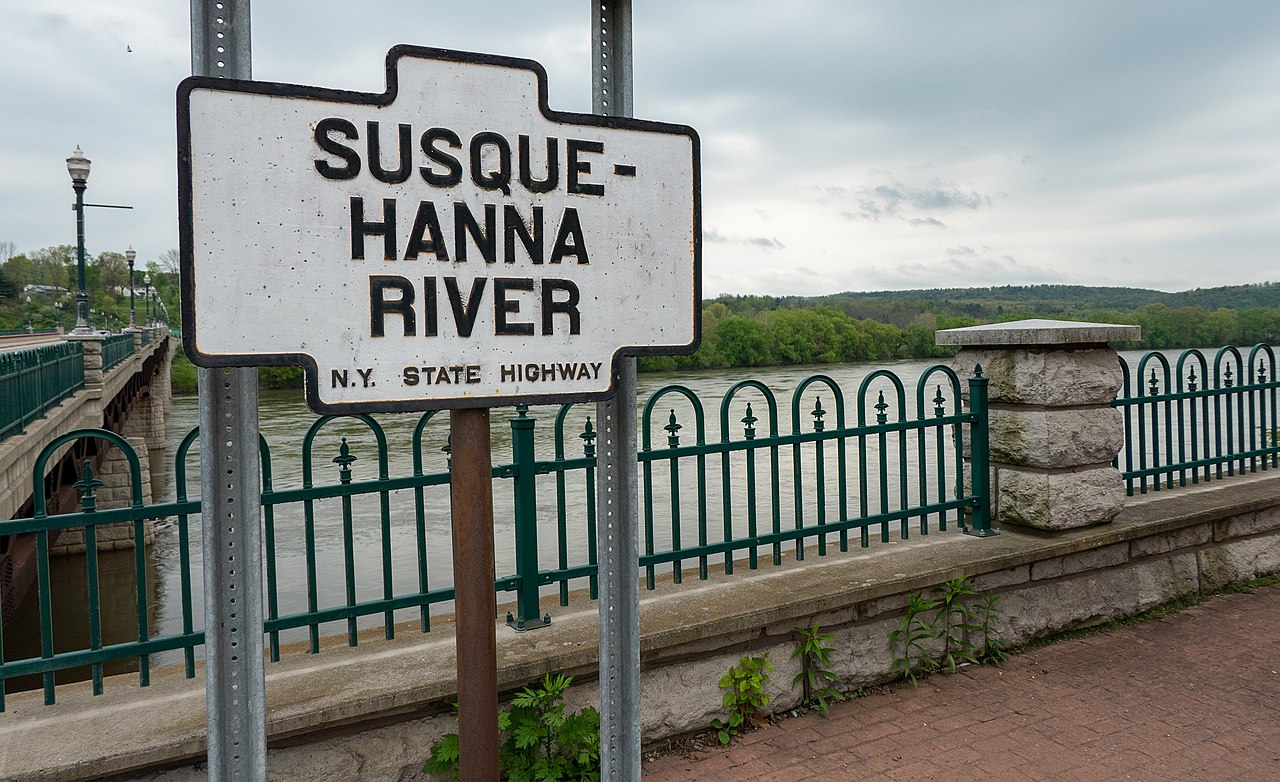


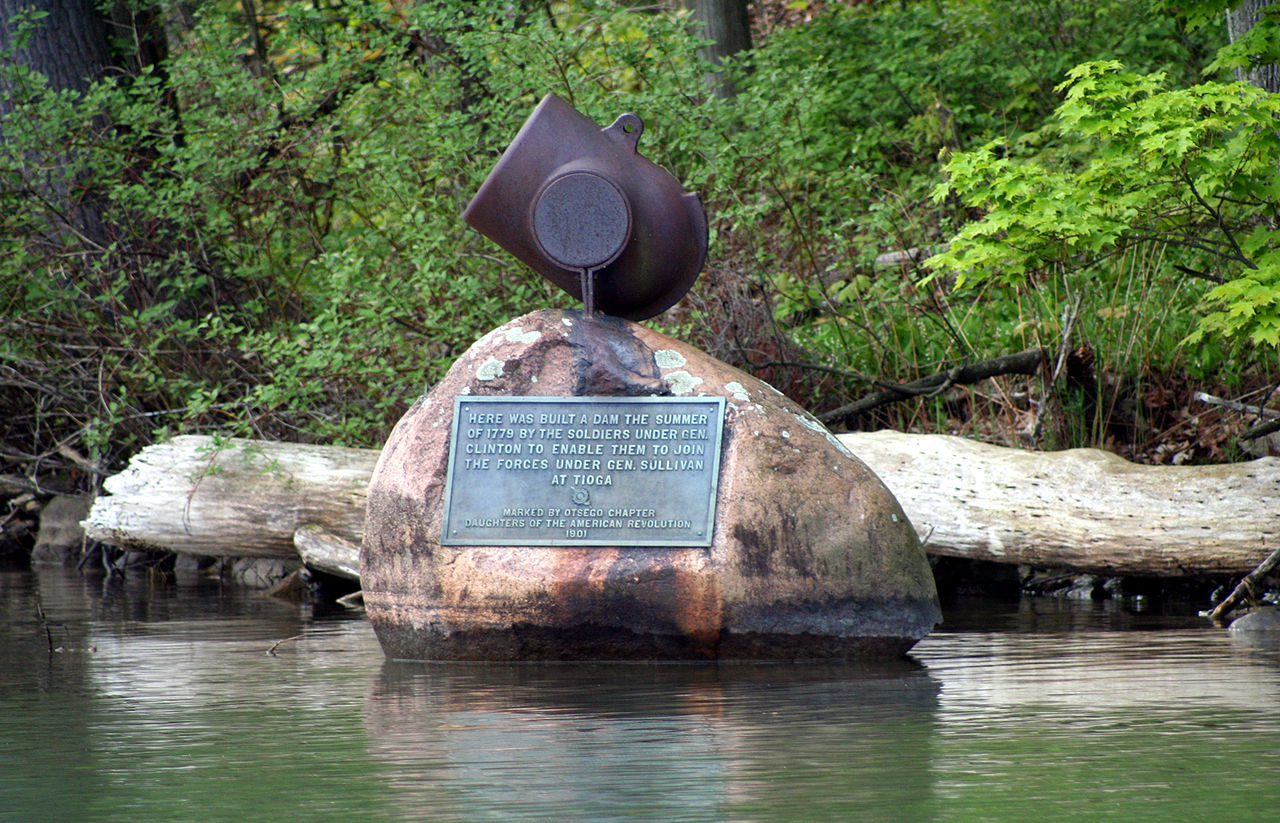

Course and physical features
The Susquehanna begins in central New York and comprises two major branches — commonly referred to as the North Branch and the West Branch — which join and continue southward through a mix of valleys and floodplains. It flows past or near several population centers, including Binghamton, Wilkes-Barre and Harrisburg, before reaching Maryland. The river drains a broad watershed that covers parts of three states and a wide variety of landscapes.
Political geography
- New York — headwaters and upper reaches.
- Pennsylvania — the river's longest section and many historic towns and cities.
- Maryland — the river's lower reach and tidal estuary leading to the bay.
History and human use
Indigenous peoples long relied on the river for food and travel; European colonists later used it for navigation, timber and coal transport in the 18th and 19th centuries. Canals, short-lived riverine commerce and later railways shaped settlement patterns along its banks. Over time the river corridor supported industrial towns as well as agricultural communities.
Ecology and environmental issues
The Susquehanna supplies most of the freshwater entering the Chesapeake Bay and therefore strongly influences the bay's health. Sediment, nutrients and runoff from agriculture and urban areas have been longstanding concerns; efforts to reduce pollution, restore wetlands and improve fish passage have increased in recent decades. The river is habitat for migratory fish species such as shad and supports recreational fisheries.
Flooding, recreation and notable facts
The river has a history of damaging floods that have affected towns along its banks, prompting flood control works and riverfront planning. Today it is also valued for recreation — canoeing, kayaking, fishing and riverside trails — rather than large-scale commercial navigation. The Susquehanna is frequently noted as the longest major East Coast river that drains to the ocean without extensive commercial boat traffic, and it remains a focus of regional conservation and watershed-management efforts.
For further information and maps see regional resources and state agencies: northeastern and mid-Atlantic context, and specialized studies at local university and conservation sites.
Related articles
Author
AlegsaOnline.com Susquehanna River: geography, history, ecology, and uses Leandro Alegsa
URL: https://en.alegsaonline.com/art/95292
Sources
- talk-lenape.org : "Lenape Talking Dictionary" · web.archive.org
- viewer.nationalmap.gov : The National Map
- fish.state.pa.us : Susquehanna River Trail
- greenworks.tv : Susquehanna River · web.archive.org