
Suwannee River — major river of southern Georgia and northern Florida
A river rising in southern Georgia that flows southwest through northern Florida to the Gulf of Mexico; known for springs, wetlands, recreation, and its place in American cultural history.
The Suwannee River is a prominent waterway in the southeastern United States, rising in southern Georgia and flowing southwest through northern Florida to the Gulf of Mexico. Its length is commonly reported as roughly 246–266 miles, a figure that varies with measurement methods and the sections included. The river is defined by a broad floodplain, sizable springs and tributaries, and a low-gradient course that gives it a slow, meandering character.
Image gallery
10 Images


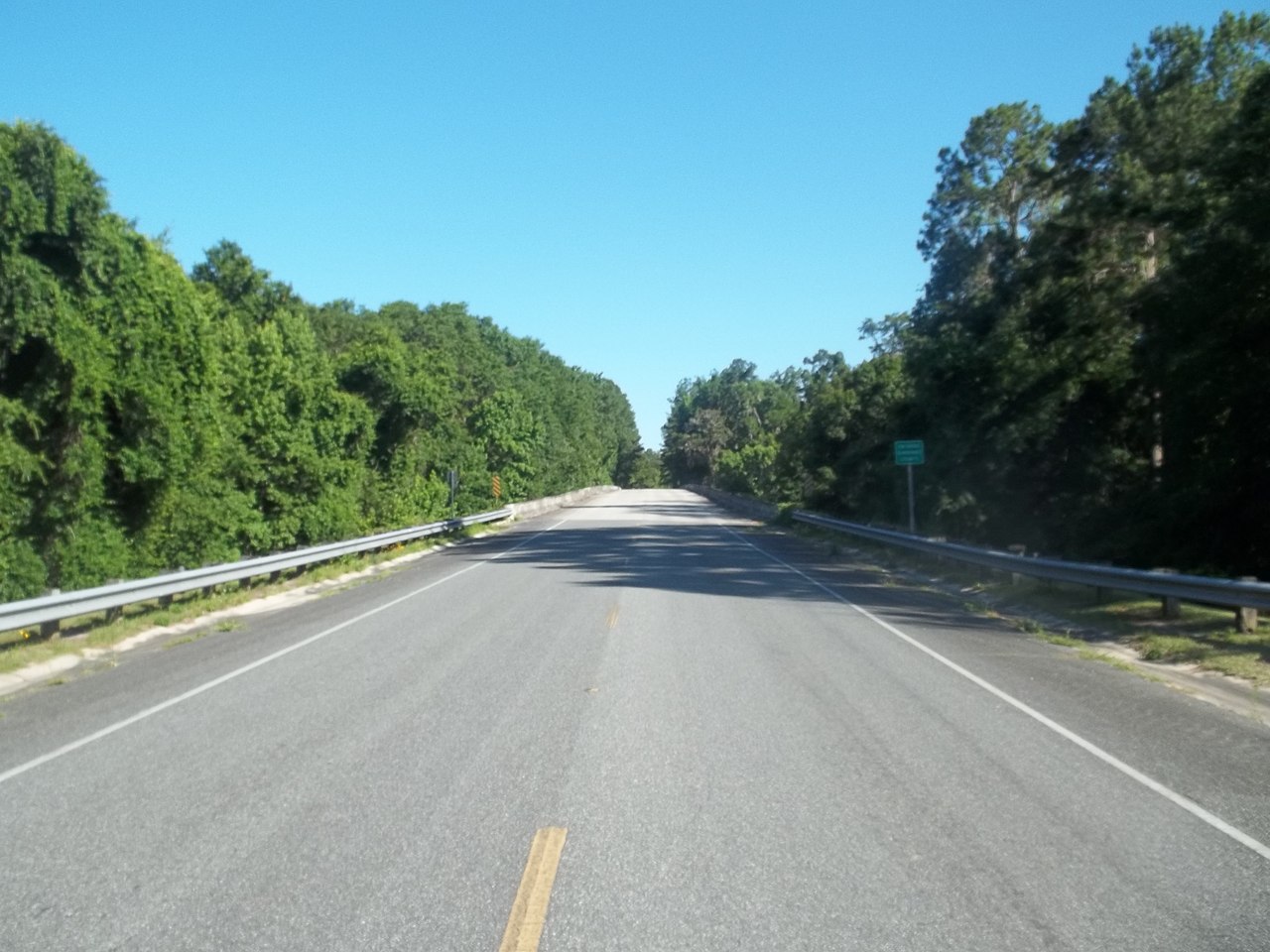
Course and physical characteristics
The Suwannee begins in upland wetlands of south Georgia and travels across a largely rural landscape before reaching a tidal estuary and the Gulf. Along its course the river passes through swamps, hardwood forests and coastal marshes; groundwater-fed springs help maintain flow and water clarity in many stretches. The river's basin supports a patchwork of habitats that influence its hydrology and seasonal flows.
Ecology and natural features
Ecologically, the Suwannee basin combines freshwater springs, blackwater river sections, floodplain forests and estuarine marshes at its mouth. These habitats support diverse fish, amphibians, wading birds and aquatic plants. Bottomland hardwoods and cypress stands are characteristic in wetter reaches, while the estuary near the Gulf is important for juvenile marine species and migratory birds.
History and cultural significance
The river has long been important to Indigenous peoples and later European settlers for transport, fishing and settlement. It achieved national recognition through the 19th-century song "Old Folks at Home" (often referred to by its opening line, "Way Down Upon the Suwannee River"), which has shaped popular perceptions of the river despite being written by a composer who never visited it. Small towns and historic sites line parts of the river, reflecting centuries of human use.
Uses, recreation and economy
The Suwannee is popular for canoeing, kayaking, fishing and wildlife viewing. State parks, boat ramps and campgrounds provide access for visitors drawn to spring-fed swimming areas and scenic paddling routes. Local economies benefit from outdoor recreation, commercial fishing in the estuary and limited agriculture in the watershed.
Conservation, threats and management
Conservation efforts focus on protecting groundwater that feeds springs, maintaining water quality, and preserving riparian corridors. Common pressures include increased water withdrawals, land-use change, nutrient runoff and habitat fragmentation. Management involves state and local agencies, nonprofit groups and community stakeholders working to balance human uses with the river's ecological integrity.
- Notable attributes: spring-fed reaches, blackwater character, estuarine outlet.
- Common threats: water withdrawals, pollution, development.
- Recreation: paddling, angling, birdwatching, state parks and cultural sites.
Readers seeking more detail about specific sections, access points or conservation programs can consult regional resources and management plans maintained by state agencies and river organizations. For broader context on the region and its waterways see related resources linked to this article.
Related articles
Author
AlegsaOnline.com Suwannee River — major river of southern Georgia and northern Florida Leandro Alegsa
URL: https://en.alegsaonline.com/art/95334