
Tabasco sauce
A distilled overview of Tabasco sauce: its ingredients, production, history, culinary uses, and how it differs from other hot sauces.
Overview
Tabasco sauce is a distilled hot pepper sauce made and marketed by the McIlhenny Company of Avery Island, Louisiana. It is a branded condiment built around a simple formula of mashed tabasco peppers, vinegar, and salt. The finished product is known for a bright, sharp heat and thin, pourable consistency that has made it a common table sauce around the world. For manufacturer details see official information.
Image gallery
9 Images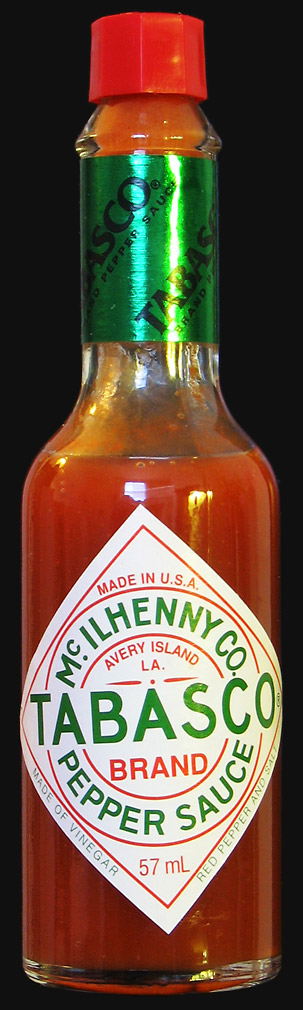




Ingredients and production
The classic recipe uses three principal ingredients: tabasco peppers (a variety of Capsicum frutescens), distilled vinegar, and salt. Freshly harvested peppers are mashed into a pulp, mixed with salt, and aged in white oak barrels for an extended period—traditionally up to three years—before being blended with vinegar and strained for bottling. This aging and blending process creates a characteristic tang and mellows raw pepper flavors. More on the pepper variety is available at tabasco pepper notes, while the role of vinegar and salt is discussed at vinegar resources and salt references.
History and development
Production of the sauce is generally attributed to Edmund McIlhenny in the late 19th century on Avery Island. The McIlhenny Company remained family-owned and developed the small-batch, barrel-aged method that defines the product. Over time Tabasco grew from a regional Southern condiment to an internationally recognized brand through export, consistent packaging, and positioning as a versatile hot sauce.
Uses and culinary importance
Tabasco is used both as a table condiment and a cooking ingredient. Typical uses include adding heat to eggs, soups, stews, sauces, and sandwiches, and it is a common accent in cocktails such as the Bloody Mary. Professional kitchens often reach for it when a concentrated, vinegary chili note is needed without changing texture. Examples of everyday uses and recipes can be found via company recipes and suggestions.
Characteristics, varieties, and distinctions
The original red Tabasco sauce is thin and pourable, with a Scoville heat level commonly cited in the low thousands of Scoville Heat Units. The brand has since introduced several flavor variations—smoke-infused, milder green jalapeño styles, and hotter pepper blends—while retaining the core three-ingredient identity in many formulations. Distinguishing factors include the specific tabasco pepper cultivar, the long wood-barrel aging, and the controlled vinegar balance that sets it apart from thicker chili pastes or oil-based hot sauces.
Notable facts
- Made on Avery Island, Louisiana, by the McIlhenny Company, a long-standing family business.
- Aging in white oak barrels is a signature step in the process.
- Widely exported and used internationally as a pantry staple and restaurant condiment.
For further reading on the brand, production techniques, and recipe ideas, consult the linked resources above or specialized culinary references.
Related articles
Author
AlegsaOnline.com Tabasco sauce Leandro Alegsa
URL: https://en.alegsaonline.com/art/95787