
Surface runoff (overland flow)
Surface runoff is water that flows over land when rainfall or melt exceeds the soil's ability to absorb it; it shapes landscapes, delivers water to streams, and is a major source of erosion and pollution.
Overview
Surface runoff, also called overland flow, is the portion of precipitation or meltwater that travels across the land surface toward streams, lakes and other low areas when infiltration is limited. It is a central process in the water cycle, linking rainfall and snowmelt to rivers and oceans and controlling how much water reaches aquifers, wetlands and urban drains.
Image gallery
10 Images





Characteristics and types
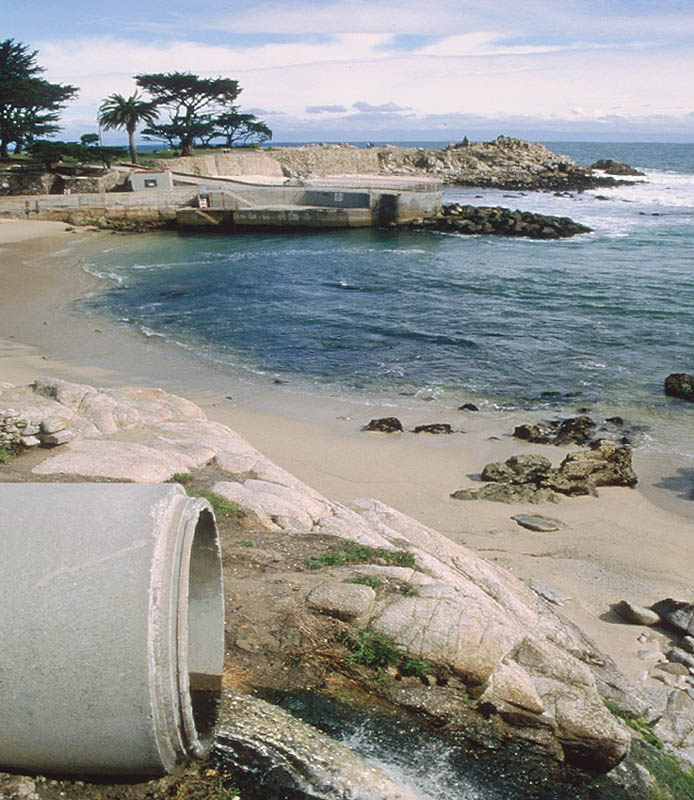
Runoff varies in intensity and form. Light sheet flow spreads thinly over large areas, while concentrated flows create rills and gullies that cut into soil. Key controls include rainfall intensity, soil moisture, slope, vegetation cover and human surfaces such as roads and roofs. Impermeable surfaces increase both the volume and speed of runoff.
Causes and effects
When precipitation rate exceeds the soil's infiltration capacity, excess water becomes runoff. Its environmental effects are broad: it transports sediment, nutrients and pollutants; accelerates soil erosion; alters channel morphology; and can trigger flash floods. In agricultural and urban settings runoff commonly carries fertilizers, pesticides, oil and heavy metals into waterways.
Management and mitigation
- Reduce impervious cover and increase permeable paving.
- Promote infiltration with swales, rain gardens and permeable pavements.
- Use retention basins, detention ponds and constructed wetlands to slow and treat flows.
- Maintain vegetative buffers along waterways to trap sediment and absorb pollutants.
Historical and practical context
Human settlement patterns and agriculture have long been shaped by runoff: early societies relied on surface flows for irrigation but often suffered from erosion. Industrialization and urban growth in the modern era have amplified runoff problems, making stormwater management a routine part of planning and engineering.
Distinctions and notable facts
Surface runoff differs from subsurface flow, which moves through soil and rock as interflow or groundwater. It is a major pathway for nonpoint-source pollution and a primary driver of sediment delivery to rivers and coasts. Effective management balances the hydrologic role of runoff with the need to protect soil, water quality and built infrastructure.
See also: flood control, erosion control, stormwater management.
Related articles
Author
AlegsaOnline.com Surface runoff (overland flow) Leandro Alegsa
URL: https://en.alegsaonline.com/art/95158