
Cold (temperature, perception and effects)
An encyclopedic overview of cold: its physical meaning, perception, measurement scales, effects on materials and life, and technologies that control low temperatures.
Overview
"Cold" is a descriptive term used to signify lower thermal energy or temperature relative to another reference state, often contrasted with warm or hot. Because it is comparative, calling something "cold" implies a context—weather, objects, or a human sensation—rather than a single fixed numerical range. Typical seasonal usage links cold to winter conditions and the season when average temperatures fall well below those of summer.
Image gallery
10 Images
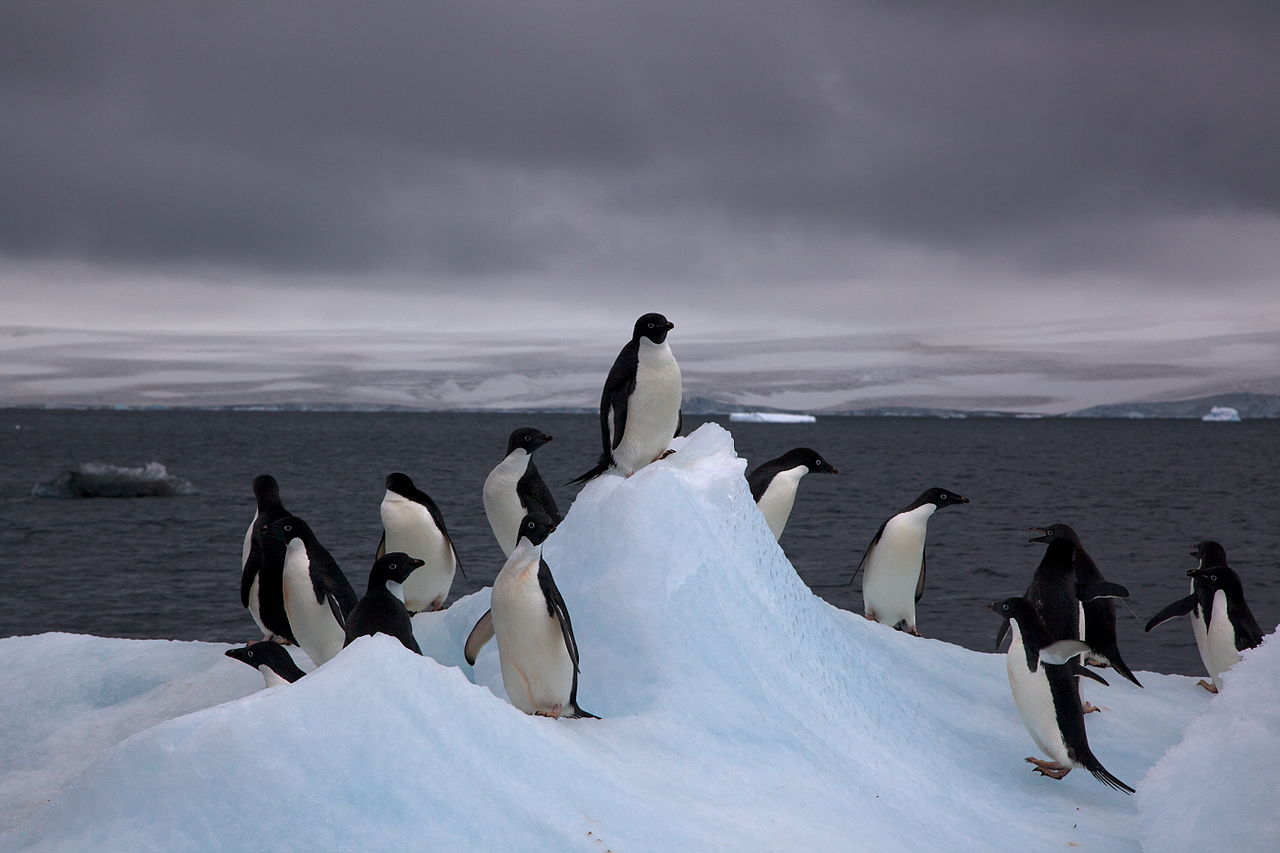



Physical meaning and measurement
In physics, "cold" corresponds to low temperature, which means particles have relatively little kinetic energy. Temperature is measured on several scales. The Kelvin scale is used in scientific work (Kelvin), while everyday measures often use Celsius or Fahrenheit. The theoretical lower limit of temperature is absolute zero, equal to −273.15 °C, −459.67 °F and 0 K; on the thermodynamic Rankine scale this is 0 °R (Rankine).
Characteristics and effects
- Heat transfer: Cold objects absorb heat from warmer surroundings until equilibrium is reached.
- Material behavior: Many solids become brittle at low temperatures; gases contract and may liquefy or freeze.
- Biological impact: Living organisms have limits; prolonged exposure can cause hypothermia, reduced metabolic rates, or frostbite.
History and technological development
Human efforts to control cold date from food preservation with ice and snow to modern refrigeration and cryogenics. Mechanical refrigeration in the 19th century transformed food storage and industry; later advances enabled cryogenic liquid gases for medical, research, and industrial uses.
Uses and cultural importance
Cold is central to many activities: preserving perishable goods, medical preservation of tissues, scientific experiments at low temperatures, ice sports, and climate patterns that shape ecosystems and human societies. Perceptions of cold also have cultural roles, featuring in language, art, and seasonal traditions.
Distinctions and notable facts
Because "cold" is relative, what counts as cold varies by region and species. Scientifically significant is the concept of absolute zero, which represents the lowest attainable thermal energy in classical thermodynamics. Technologies that create and control cold continue to expand both everyday conveniences and advanced scientific capabilities.
warm winter season hot Fahrenheit absolute zero Kelvin Rankine
Related articles
Author
AlegsaOnline.com Cold (temperature, perception and effects) Leandro Alegsa
URL: https://en.alegsaonline.com/art/21502
Sources
- commons.wikimedia.org : Cold
- jpl.nasa.gov : "Boomerang Nebula boasts the coolest spot in the Universe"
- news.bbc.co.uk : "'Silver Sensation' Seeks Cold Cosmos"
- nasa.gov : nasa.gov
- earthobservatory.nasa.gov : "Melting Ice in Antarctica"
- independent.co.uk : "Polar explorers reach coldest place on Earth"
- aari.aq : "New absolute minimum of air temperature"