
Seaside resort — coastal towns and beach-focused tourism
A seaside resort is a coastal town or area oriented to leisure and tourism, typically offering beaches, hotels, promenades and seasonal services. This article explains features, history, uses and distinctions.
Overview
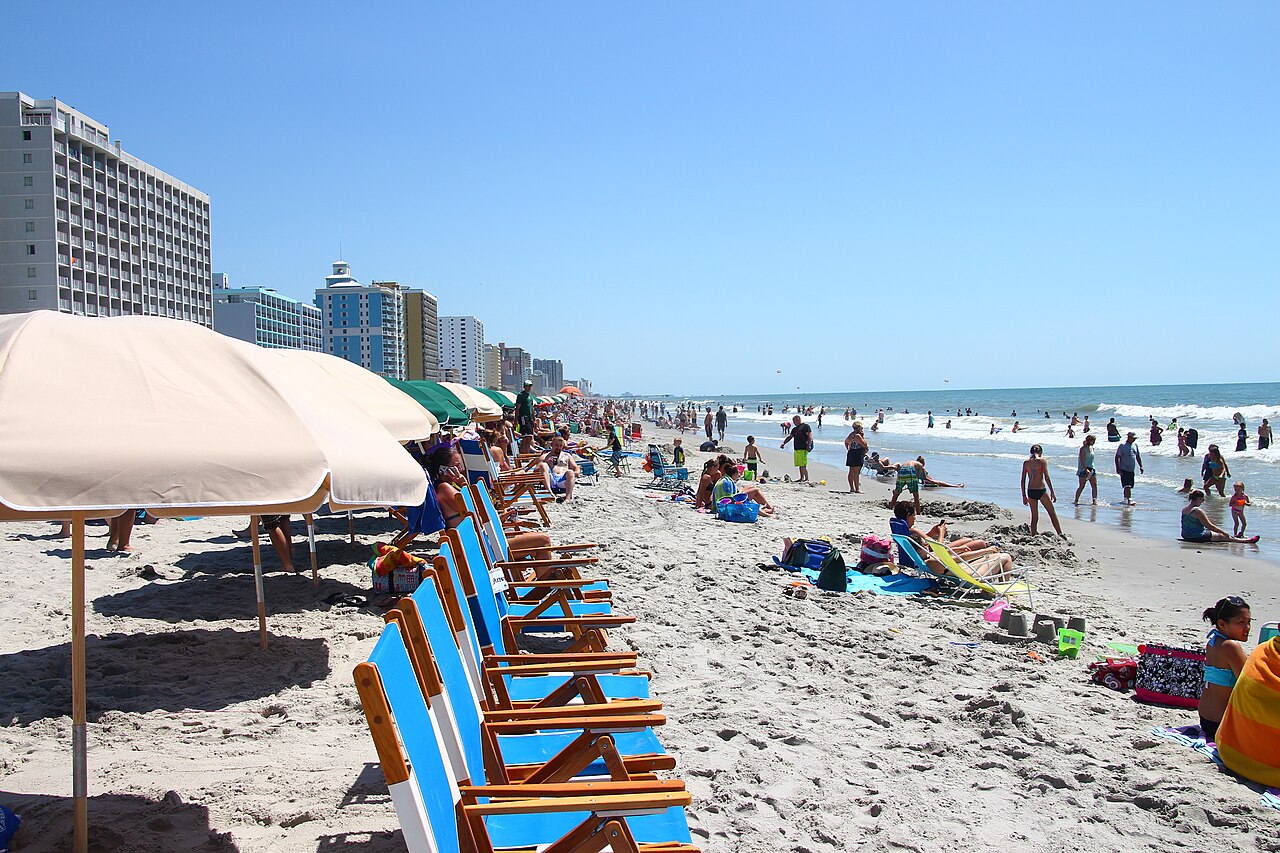
A seaside resort is a settlement by the sea whose economy and layout are shaped by visitors seeking recreation, relaxation and views of the coast. In everyday use the term covers towns, villages and purpose-built complexes that provide accommodation, entertainment and beach access. When a resort includes a sandy bathing area it is often called a beach resort. Many such places host a cluster of resort hotels and shorter-stay rental options.
Image gallery
10 Images




Common features
- Beaches and shoreline amenities: sand or pebble bathing areas, piers, promenades and boardwalks.
- Accommodation: hotels, guesthouses, holiday apartments and campsites concentrated near the water.
- Leisure infrastructure: restaurants, cafés, arcades, water sports, spas and excursion services.
- Transport links and seasonality: rail, road and ferry connections that expand in peak season; many resorts are much busier in summer.
History and development
Coastal resorts grew from early traditions of seaside bathing and health-oriented visits, expanding markedly as transport improved and leisure time increased. Over the nineteenth and twentieth centuries, railways, steamships and later affordable air travel made seaside holidays accessible to wider populations. In many regions growth continued into the late twentieth century with the rise of package tours and international travel, while more recent decades have seen diversification into all-year attractions and luxury developments.
Role, uses and importance
Seaside resorts are important local employers and often form the economic heart of small coastal communities. They serve a range of visitors: families, couples, sports enthusiasts and cultural tourists. In addition to recreation, some resorts emphasize wellness, historic attractions or nature-based activities such as birdwatching and coastal walks. Because they concentrate people and infrastructure on exposed shorelines, resorts are also focal points for coastal management, conservation efforts and debates about sustainable tourism.
Distinctions and notable facts
Not all coastal towns are seaside resorts; the label implies a deliberate tourist orientation. Resorts may be categorized by market focus—family-oriented, luxury, party-focused or eco-friendly—and by physical setting, for example sandy beach resorts, rocky-coast resorts, or those centered on sheltered bays and marinas. Contemporary trends include diversification beyond summer seasons, investment in cultural events, and practices aimed at reducing environmental impacts while maintaining local livelihoods.
Further reading
For introductions to planning, hospitality and coastal conservation in seaside contexts, see general resources on coastal tourism and resort development at coastal studies, industry guides to resort hotels, and summaries of beach management techniques at beach resort resources.
Related articles
Author
AlegsaOnline.com Seaside resort — coastal towns and beach-focused tourism Leandro Alegsa
URL: https://en.alegsaonline.com/art/88353