
Suicide attack: definition, history, tactics, and impact
A suicide attack is an assault in which the attacker expects to die in the operation. This article explains forms, motivations, history, consequences, and common countermeasures.
Overview
A suicide attack is an act of violence in which the perpetrator expects to be killed during the operation. The intent is usually to cause death, injury, or destruction of property while accepting personal death as part of the plan. For a concise formal definition and additional context, see the definition.
Image gallery
10 Images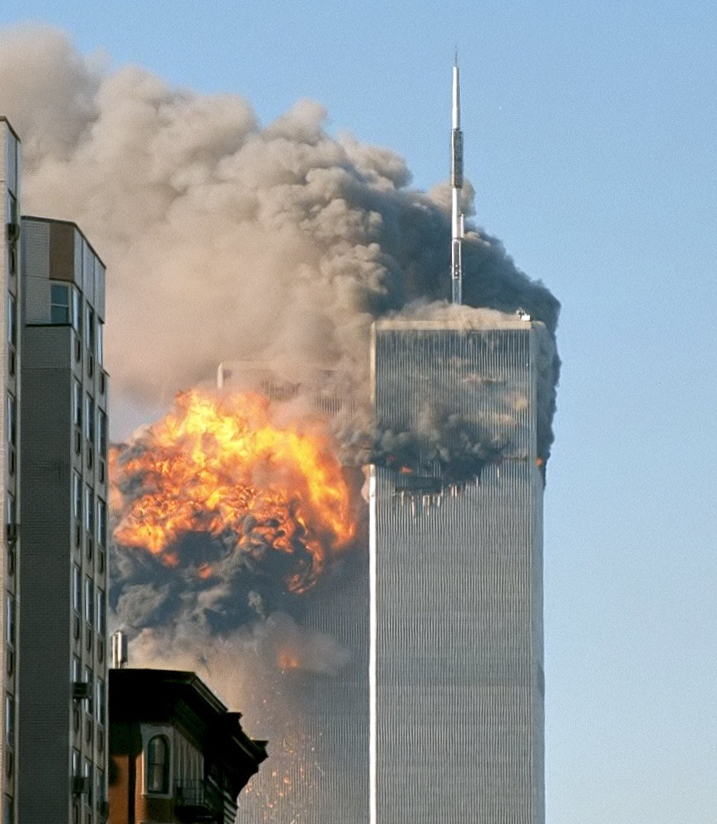


Common forms and characteristics
Suicide attacks take several practical forms. Many involve explosives detonated by the attacker or remotely triggered at close range; discussions of blast mechanics and related hazards can be found via explosion resources. Others use vehicles as weapons, either to ram crowds or to carry a payload of explosives (vehicle attacks). Typical delivery methods include concealed vests or belts, car or truck bombs, and occasionally aircraft or maritime craft. The term "suicide bombing" commonly refers to attacks using explosive devices carried or placed by an attacker (explosive materials, bomb), or to incidents in which an attacker detonates a device at close range (detonation).
Historical development
Suicide attacks have appeared in varied historical contexts, but they became prominent in modern conflict and asymmetric warfare in the 20th century. Notable patterns emerged during large-scale wars and in insurgencies where attackers sought to bypass conventional defenses. In recent decades, specific regions such as the Middle East and parts of South Asia have experienced frequent incidents; background on regional patterns is discussed in several sources (Middle East, South Asia). Different armed movements and political organizations have used suicide missions for strategic or symbolic reasons; some Palestinian organizations and other groups have included such attacks among their tactics (Israel, Hamas, Palestinian, terrorism).
Motivations, strategic logic and terminology
Motivations vary and may combine political, ideological, religious, or personal drivers. From a tactical standpoint, suicide attacks can maximize impact, penetrate defenses, and guarantee delivery of a weapon at a chosen time and place. Scholars distinguish between suicide attacks intended to terrorize civilians, targeted assassinations, and military-style strikes aimed at combatants or infrastructure. Debates over terminology—calling an act "suicide attack," "martyrdom operation," or "terrorist attack"—reflect differing perspectives on motive, legitimacy and legal context.
Consequences and countermeasures
Suicide attacks often produce high civilian casualties and widespread disruption. Responses by states and communities include intelligence and policing measures, hardened public spaces (barriers, vehicle checkpoints), screening and surveillance, emergency preparedness, and community resilience programs. Practical prevention also emphasizes interagency information-sharing, protective architecture around likely targets, and public awareness campaigns to reduce vulnerability.
Legal, ethical and social considerations
Most legal systems and international law treat deliberate attacks on civilians as illegal and morally condemned. The use of suicide tactics raises complex issues about recruitment, coercion, propaganda, and the rehabilitation of affected communities. Accurate reporting, historical context, and careful terminology are important when discussing these events to avoid glorification and to support victims and prevention efforts.
For further reading on technical, historical, and policy dimensions, see linked resources above and consult specialist literature that examines case studies, counterterrorism practice, and the social factors that influence both perpetrators and societies under threat.
Related articles
Author
AlegsaOnline.com Suicide attack: definition, history, tactics, and impact Leandro Alegsa
URL: https://en.alegsaonline.com/art/94664