
Sukhoi Su-35 (Flanker-E): Russian multirole supermaneuverable fighter
A Russian 4++ generation multirole fighter evolved from the Su-27. Known for thrust-vectoring engines, advanced sensors and air-superiority focus; it entered Russian service in 2010.
The Sukhoi Su-35 is a Russian single-seat, twin-engine multirole fighter developed as an advanced derivative of the Su-27 family. Built by Sukhoi, the type is often described as a 4++ generation aircraft: it blends a large airframe with modern avionics, high-power engines and aerodynamic refinements intended for air superiority and strike roles. It first entered the inventory of the Russian Air Force in 2010.
Image gallery
10 Images

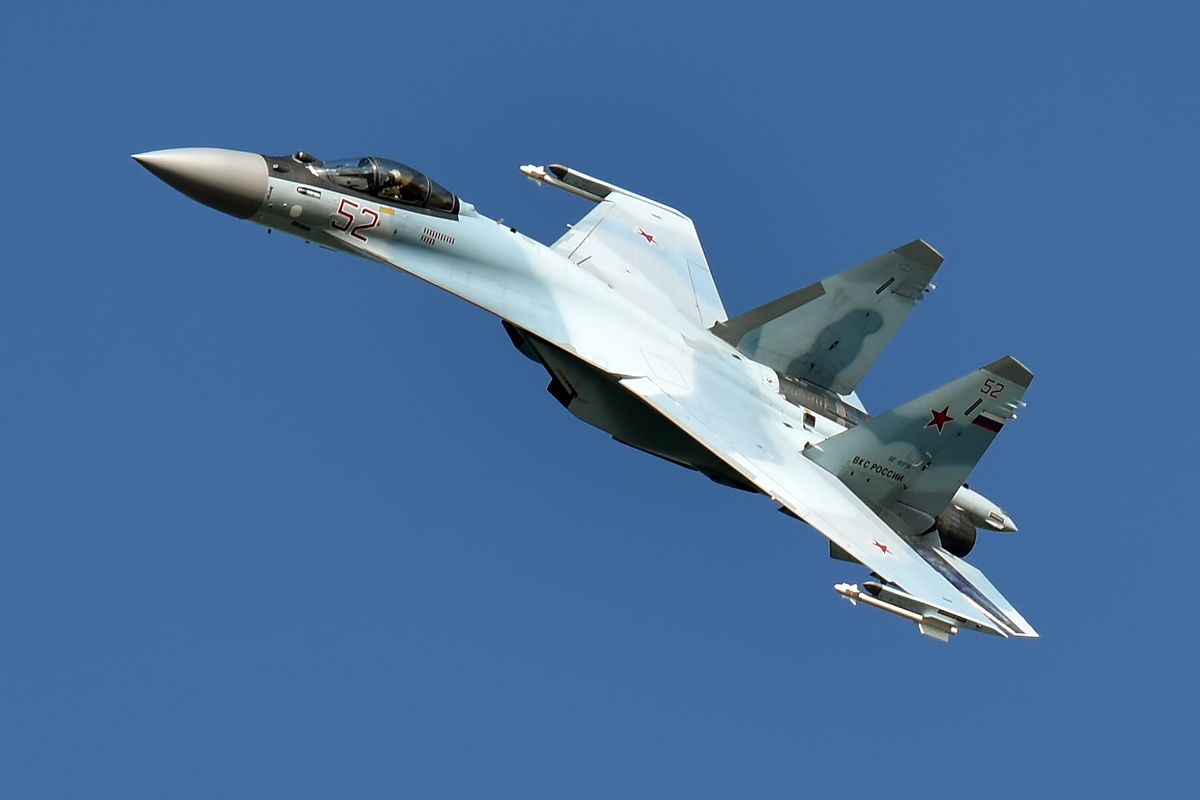
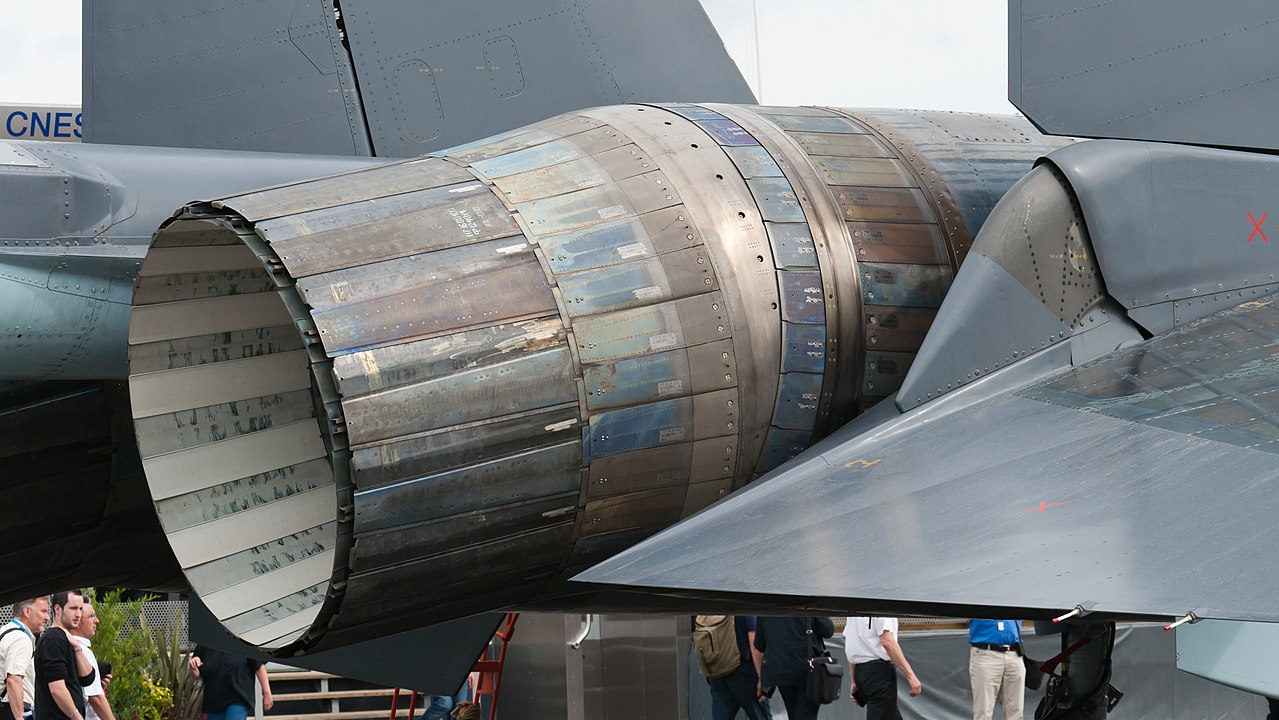


Design and key characteristics
The Su-35 combines a strengthened Su-27 airframe with new systems. It is powered by modern turbofan engines that incorporate thrust-vectoring nozzles to enable exceptional maneuverability at low speeds and high angles of attack. The airframe includes aerodynamic improvements and features intended to reduce maintenance and improve operational range.
Avionics, sensors and armament
The aircraft carries upgraded avionics and an advanced radar suite along with infrared search-and-track and electronic warfare systems. Its weapons fit is flexible, allowing a mix of:
- long- and short-range air-to-air missiles for air superiority;
- air-to-surface missiles and guided bombs for strike missions;
- an internal cannon for close combat and strafing.
These systems give the Su-35 a multirole capability while emphasizing interception and air dominance in contested environments.
Development and service
The Su-35 emerged from a long line of Sukhoi fighters, aiming to modernize avionics, powerplant and mission systems without a complete redesign. Several export and domestic variants have been produced; some customers abroad have acquired the type for air force modernization. The aircraft has been used in routine patrols, training and as a visible element of Russian combat aviation capabilities.
Notable distinctions and role
Often compared to other modern fighters, the Su-35 stands out for its combination of raw thrust, agility delivered by thrust-vectoring, and a large internal fuel and weapons load. While not a stealth design, it prioritizes performance, sensor fusion and payload. As a member of the Flanker family, it represents an evolutionary approach: retaining proven aerodynamics while integrating contemporary avionics and mission systems for 21st-century operations. For general background on fighters, see fighter aircraft.
Related articles
Author
AlegsaOnline.com Sukhoi Su-35 (Flanker-E): Russian multirole supermaneuverable fighter Leandro Alegsa
URL: https://en.alegsaonline.com/art/94688