
Suffolk: county in East Anglia, England
Suffolk is a largely rural county in East Anglia, eastern England, noted for its coastline, agricultural plains, market towns such as Ipswich and Bury St Edmunds, and the major container port at Felixstowe.
Overview
Suffolk lies in East Anglia as a ceremonial county of England within the UK. Its eastern boundary is a long, low-lying coastline on the North Sea. To the north it meets Norfolk, to the west Cambridgeshire and to the south Essex. The county town and largest urban centre is Ipswich, historically a river port and now an administrative and commercial hub.
Image gallery
10 Images




Landscape and character
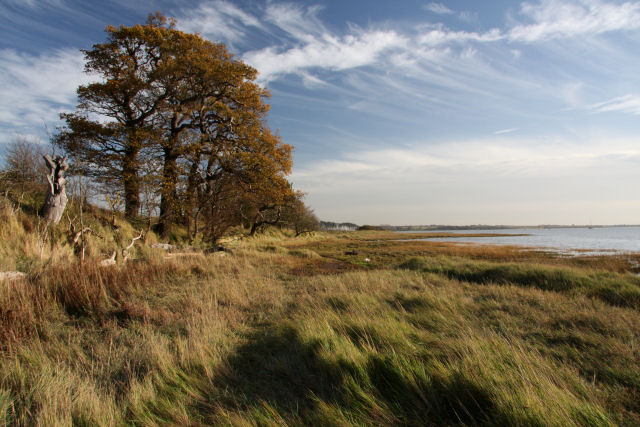
The county presents a varied landscape of arable farmland, river valleys, reedbeds and coastal habitats. Long estuaries, marshes and shingle shores are characteristic of the eastern fringe; inland there are rolling fields, hedgerows and small woodlands. Parts of north Suffolk include areas of wetland and broads that support a wide range of birdlife. Several patches of the county are protected for their natural beauty and biodiversity, attracting visitors who seek wildlife, walking and quiet coastal scenery.
Major towns and places
- Ipswich — the county town, with a historic core, riverside quays and local cultural institutions.
- Bury St Edmunds — an inland market town known for its abbey remains, market square and historic streets.
- Lowestoft — a coastal town on the North Sea with fishing and leisure connections to the sea.
- Felixstowe — a seaport on the estuary of the River Orwell and a principal container terminal handling freight to and from Europe.
History and heritage
The county name reflects early medieval settlement, often described in terms of the "southern people" as distinct from neighbouring Norfolk. Over centuries Suffolk developed through agriculture, the wool and cloth trades and maritime commerce. Numerous medieval churches, abbey sites and market towns survive, reflecting the county's long history of rural settlement and local administration. Coastal and river routes have influenced the pattern of towns and industry.
Economy and transport
Agriculture remains a major land use, complemented by ports, light manufacturing, services and tourism. The port at Felixstowe is an important freight gateway, while Ipswich serves regional business and transport needs. Road and rail links connect the county to wider national networks, and smaller harbours and marinas support fishing, leisure boating and regional trade.
Culture, nature and tourism
Suffolk is noted for its well-preserved villages, long-distance walking routes, nature reserves and a lively local arts scene. The county's landscapes inspired painters and writers, and its coastline and inland reserves are important for birdwatching and conservation. Visitor attractions include historic towns, coastal promenades and museums that interpret maritime and agricultural heritage.
Governance and practical information
Suffolk functions as a ceremonial county with local government arrangements responsible for services such as education, transport and planning. Visitors and residents consult official regional guides and local authorities for up-to-date information on services, travel and conservation areas.
Related articles
Author
AlegsaOnline.com Suffolk: county in East Anglia, England Leandro Alegsa
URL: https://en.alegsaonline.com/art/94624