
Ipswich: history, geography, culture and notable facts
Overview of Ipswich, the county town of Suffolk, covering origins, geography, economy, landmarks, transport, sport and notable events from Tudor commerce to modern life.
Overview
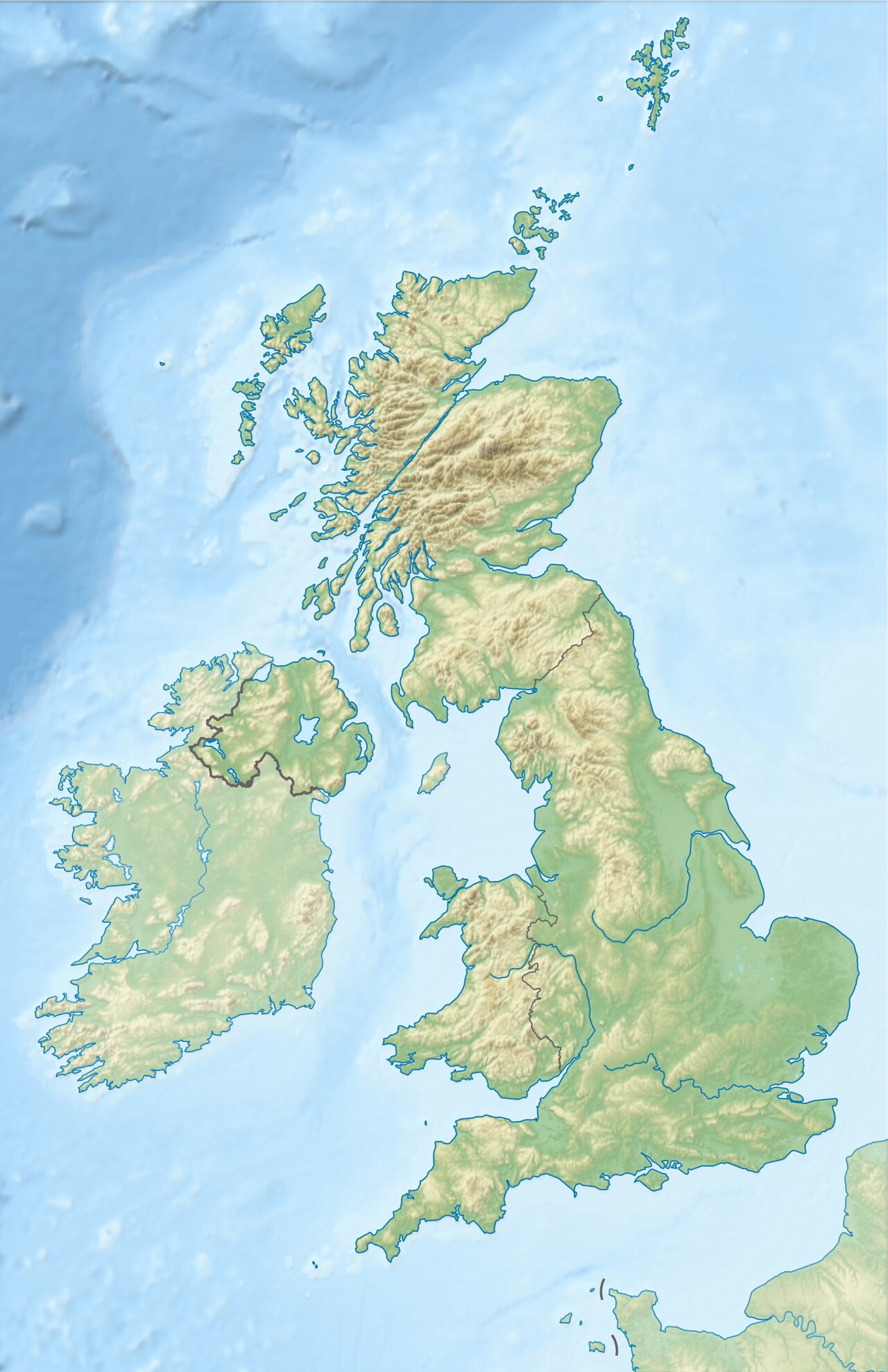
Ipswich is a large historic town in East Anglia, within the county of Suffolk in England. It serves as the county town of Suffolk and has a population of about 117,000 people. The town lies beside the estuary of the River Orwell and combines an urban core, riverside quarters and surrounding suburbs. Ipswich functions as a local administrative, cultural and commercial centre for the surrounding county.
Image gallery
10 Images





Geography and environment
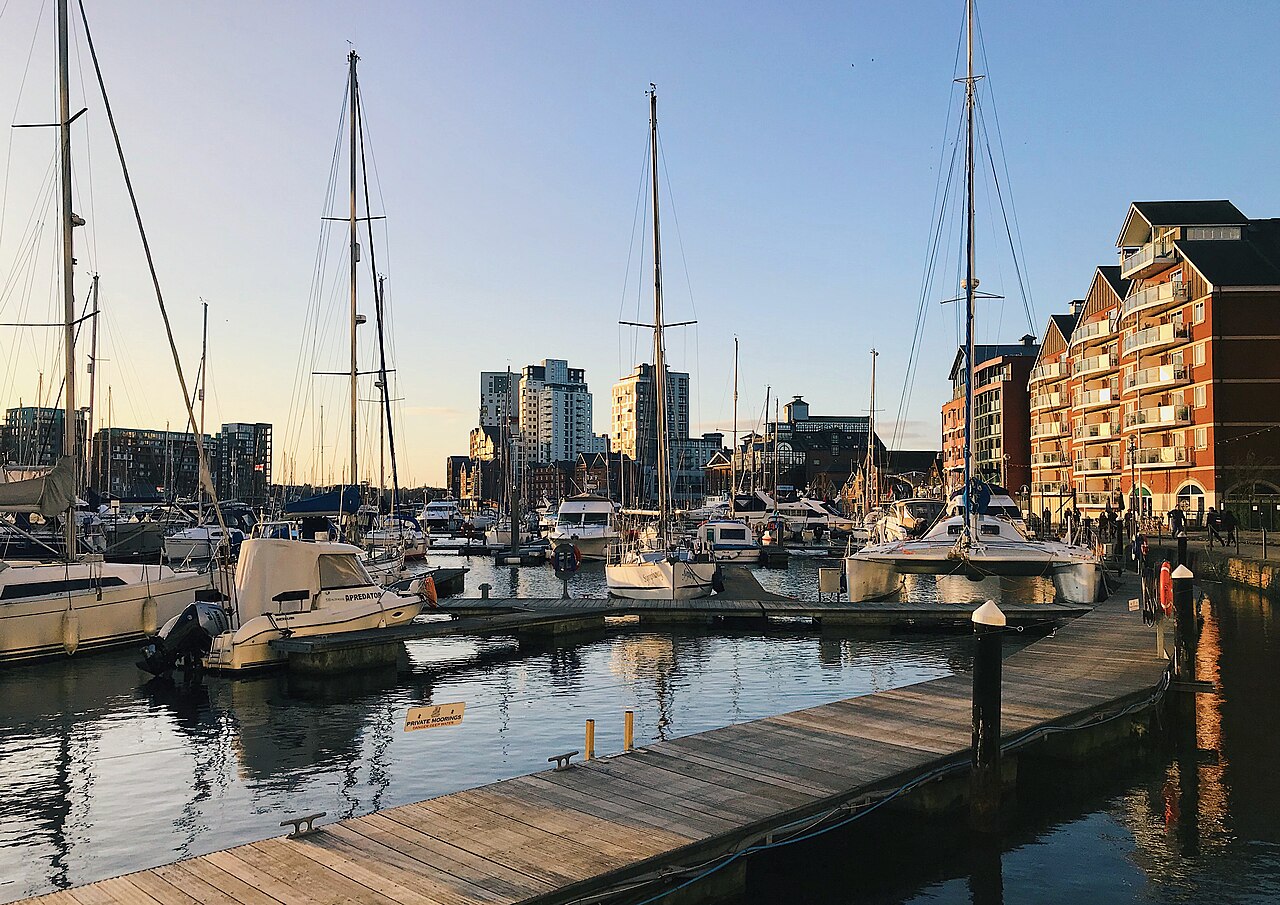
Ipswich occupies a strategic position on the south bank of the Orwell estuary where the river widens toward the North Sea. Its riverside and docklands have long defined the town's character: maritime activity, shipbuilding and trade shaped growth and settlement patterns. Today the waterfront is used for leisure, commerce and regeneration projects, and there are walking routes and public spaces that take advantage of the river views. Surrounding countryside is typical of Suffolk, with agricultural land, small woods and coastal habitats in the estuary.
History and development
Ipswich is among the oldest continuously occupied towns in England, with archaeological and documentary traces from the Anglo-Saxon period onward. In the medieval and Tudor eras the town prospered through the wool and cloth trade, and several timber-framed and brick buildings from those centuries survive. Notable historical figures associated with the town include Thomas Wolsey, born locally and later an adviser to Henry VIII. The arrival of the railways and later industrial activity in the nineteenth and twentieth centuries further expanded Ipswich and changed its role within the region.
Economy and commerce
The local economy combines public administration (as a county town), retail, light industry, education and a growing services and creative sector. The town centre supports shops, markets and independent businesses, while the waterfront and business parks host offices and leisure employers. Regeneration projects have sought to balance heritage conservation with new housing and commercial development, and the town serves as a commercial hub for nearby towns and villages.
Culture, education and community life
Ipswich has a range of cultural institutions including museums, galleries and theatres that present local history, maritime collections and contemporary art. Further and higher education providers operate in and around the town, contributing to local skills and research. Annual events, markets and community festivals add to civic life, and voluntary groups play a significant role in heritage, environment and social services.
Transport and infrastructure
Transport links connect Ipswich by road and rail to regional centres. The town's rail station provides services toward London and other parts of East Anglia; major roads provide links to nearby towns. River and maritime activities remain part of local transport and leisure provision. Infrastructure and planning have been active topics in local politics, especially where new development meets conservation of older streets and buildings.
Sport and leisure
Sport is an important part of Ipswich's identity. The town is home to Ipswich Town F.C., an association football club with a long local following; the club plays in the national league system and its matches are staged at the stadium known as the stadium, commonly referred to as Portman Road. There are also clubs and facilities for rugby, cricket, rowing and other community sports, and the riverside provides opportunities for walking, boating and outdoor leisure.
Landmarks and heritage
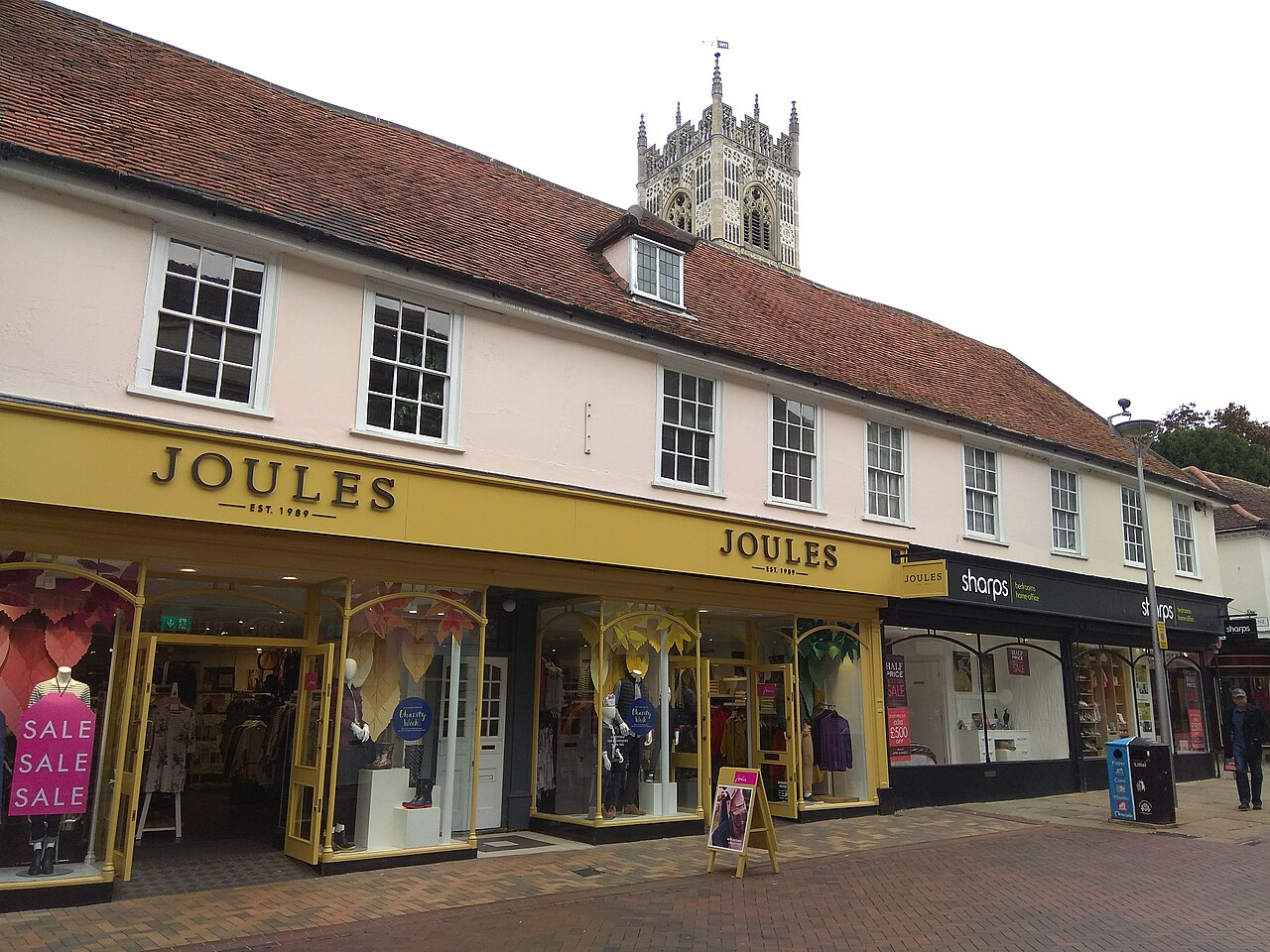
The town contains a mix of medieval churches, Tudor houses, Georgian and Victorian civic buildings and modern developments. Surviving historic streets and buildings contribute to Ipswich's character and are subjects of conservation and interpretation by local museums and heritage organisations. Public parks, the waterfront and cultural venues are focal points for residents and visitors.
Notable events and contemporary issues
Ipswich's long history includes prosperous periods and times of challenge. In recent decades the town has been involved in urban regeneration schemes, debates about housing and transport, and initiatives to support the local economy. A widely reported criminal case in 2006 drew national attention and resulted in changes to policing and community services; local responses emphasised support for vulnerable people and improvements to safety. Contemporary discussions often focus on balancing heritage with new development, environmental protection of the estuary and inclusive economic growth.
Further reading and resources
- The Orwell estuary and maritime environment
- River Orwell: natural and urban interactions
- Contemporary reports and local history summaries
- Town overview and civic information
- National context within England
- Regional background: East Anglia
- County resources: Suffolk
- Role as county town
- Biographical material on Thomas Wolsey
- Tudor period connections
- Ipswich Town F.C. information
- Stadium details and events
- Portman Road matchday notes
- Local sporting culture and community clubs
Related articles
Author
AlegsaOnline.com Ipswich: history, geography, culture and notable facts Leandro Alegsa
URL: https://en.alegsaonline.com/art/48072
Sources
- ons.gov.uk : "Local statistics - Office for National Statistics"
- news.bbc.co.uk : "Third prostitute 'was strangled'"